


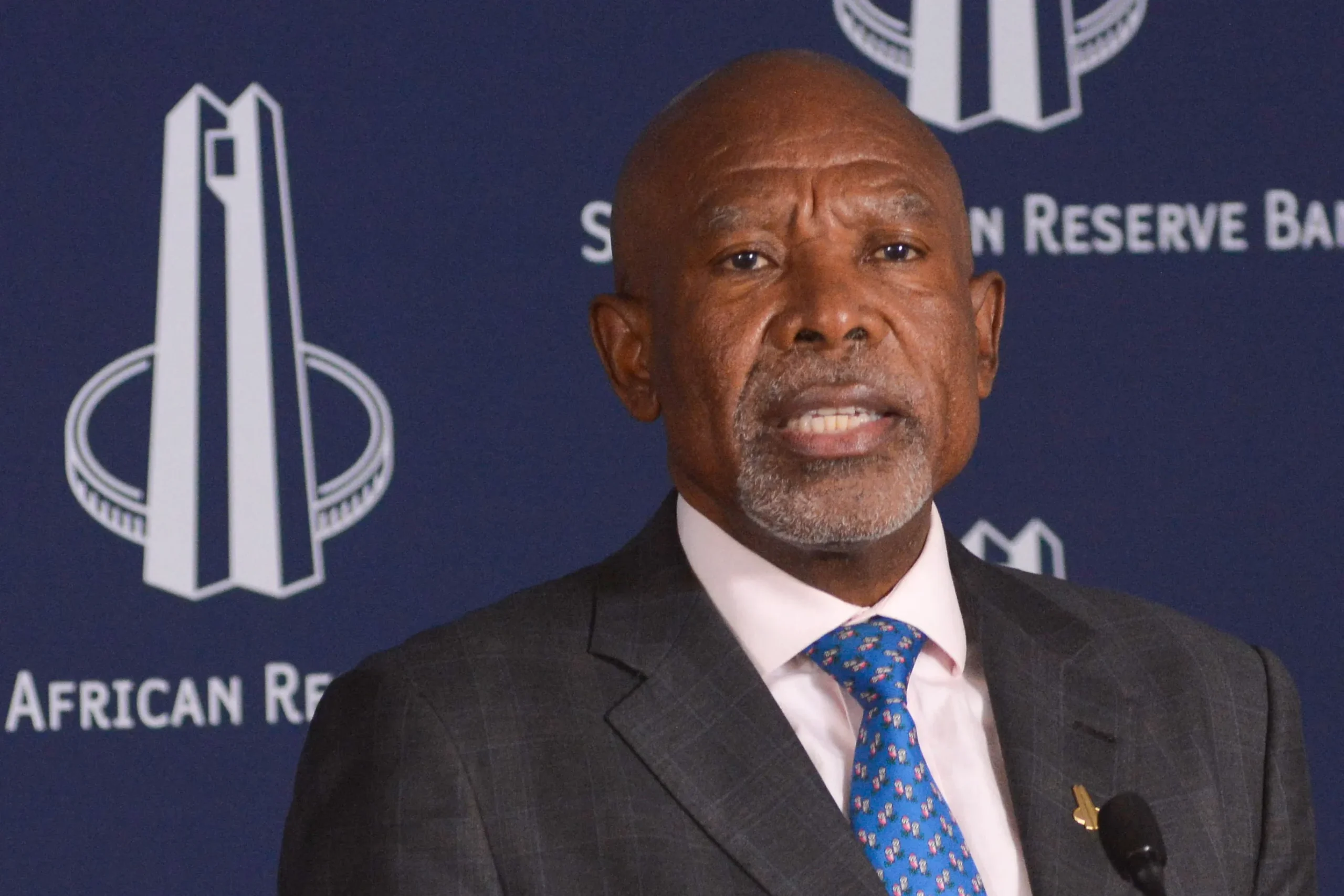
Political parties acknowledged the relief provided by the 25 basis point reduction in the repo rate, but they believe more must be done to stabilise inflation and lower the rising cost of living. This comes after the South African Reserve Bank announced a repo rate decrease this week.
The government has already welcomed the lowering in the repo rate. However, Parliamentarians appear to have differing views on several components of the news.
“We reject the decision by the Monetary Policy of the South African Reserve Bank to reduce the repo rate by 25 percent base points. While we welcomed the much-needed relief for the working class and the consumers, the extreme conservatism demonstrated by the Reserve Bank remains a great concern. Our economy is in a deep crisis. Economic growth remains sluggish. It has failed to grow more than two percent in the past five years since [Cyril] Ramaphosa took office as the President,” says EFF spokesperson Leigh-Ann Mathys.
However, some parties have welcomed the repo rate cut.
“The IFP welcomes the significant reduction in the repo rate as it has been cut by 25 basis points to eight percent. This means the people of South Africa will finally be able to experience the economic relief. However, we celebrate with caution as we know how unpredictable the global financial market can be. The ultimate good news for us would be to see the stabilisation of the inflation as this will mean reduction in food prices for our people,” says IFP MP Nhlanhla Hadebe.
“COSATU welcomes the 25 basis points cut in the repo rate by the Reserve Bank. This is going to be a welcomed relief to millions of workers and their families at large. Workers have been really paying the price of rising costs of living. Workers have been undoubtedly and suffering to pay their debt to take care of their families to provide for the most essentials. Workers have gone through difficult periods even above the lower difficulties with 470% basis by the Reserve Bank for the over past five years making it very painful for workers to pay their debt,” says COSATU’s Matthew Parks.