


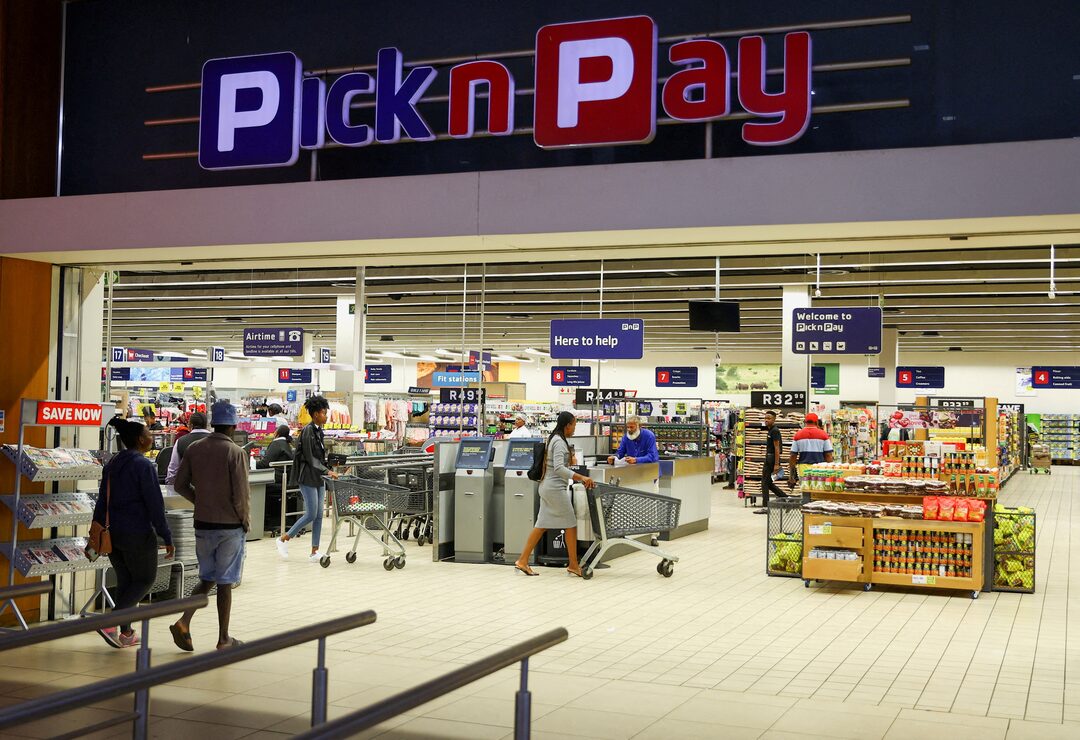
Pick n Pay Supermarkets has revealed a considerable increase in its losses during the first half of the financial year, contrarily underlining the persistent struggles as it executes its turnaround strategy. For the 26 weeks ending in August, the group’s comparable loss before tax and capital items surged 25.7% year on year, reaching a staggering R1.1 billion.
In an official statement released on Monday, the supermarket chain attributed this financial downturn primarily to ongoing trading losses within its core operations and the rising costs associated with borrowing. This news has raised concerns among stakeholders and analysts alike about the future trajectory of one of South Africa’s largest grocery brands.
As the group grapples with these significant challenges, it remains determined to refine and enhance its turnaround strategy. Key components of this strategy include cost management measures, improvements in customer experience, and investments in technology aimed at gaining a competitive edge in an increasingly crowded marketplace.
Despite the bleak financial results, Pick n Pay’s management insists that the steps being taken are the right ones for sustainable growth and recovery. “We are committed to making the necessary changes that will allow us to thrive in the long run, even though the immediate results may not reflect this,” said a spokesperson for the group.
The sharp rise in losses could also be attributed to external market pressures, including inflationary trends, shifts in consumer behaviour, and the impacts of global supply chain disruptions that have bred uncertainty in food retailing across the nation. Observers are keenly watching how Pick n Pay responds to these market conditions, especially as South African consumers increasingly prioritise value for money.
As the six-month mark closes, investors and analysts will be eager to see if the group can successfully pivot its current trajectory in the second half of the financial year. The supermarket group continues to be a prominent player in the South African economy, and its performance will be closely monitored as consumers feel the squeeze of high living costs.