


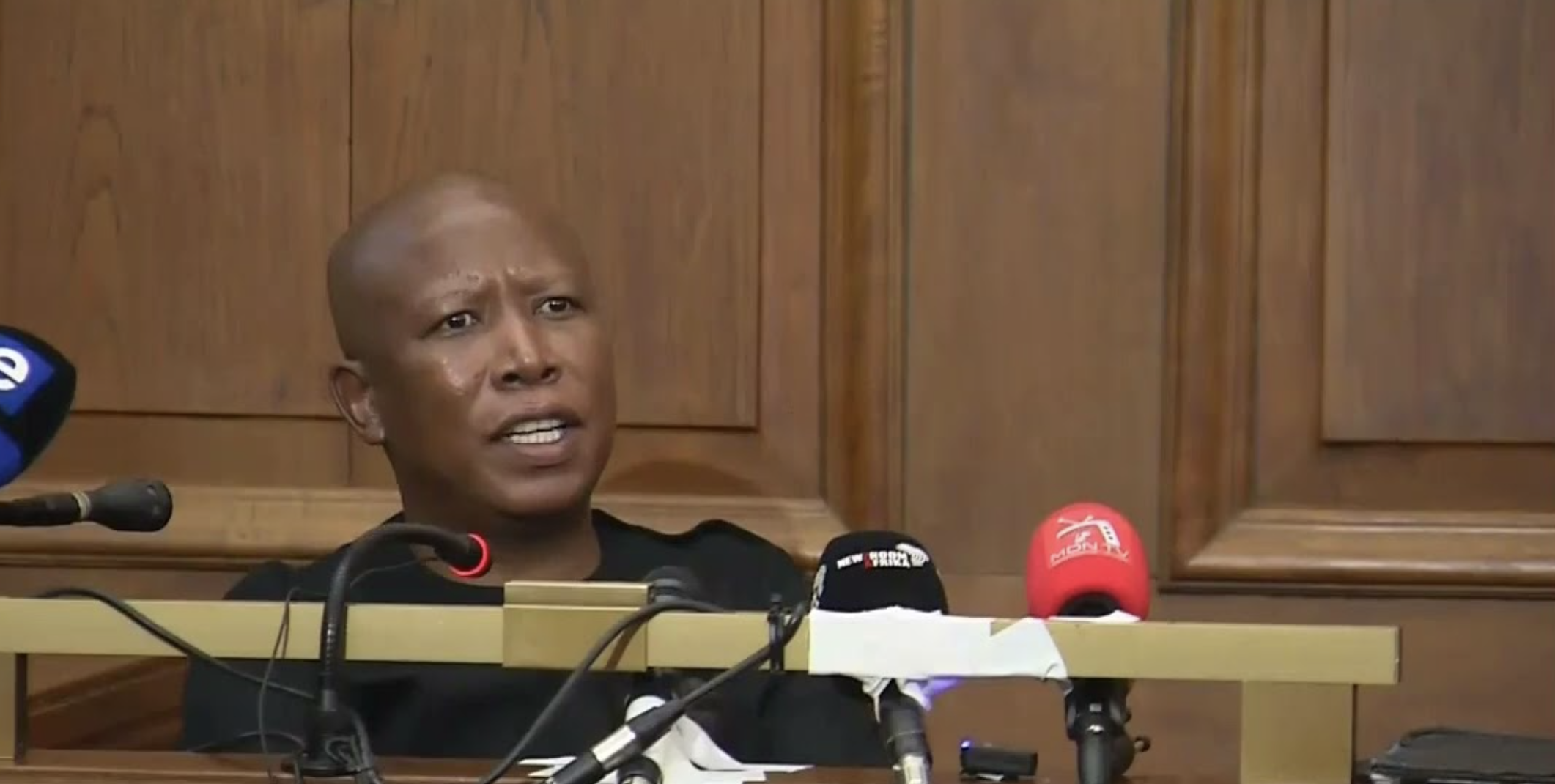
The legal proceedings surrounding Julius Malema, the controversial leader of the Economic Freedom Fighters (EFF), are intensifying as the court hears testimony that paints a troubling portrait of his character during a firearms discharge case. Witnesses and legal representatives in the ongoing trial have described Malema as “evasive, untrustworthy, and dishonest,” raising significant questions about his credibility and the circumstances leading to the incident in question.
Malema, who is infamous for his polarising rhetoric and fiery speeches, has found himself at the centre of scrutiny over claims that he discharged a firearm during a rally. As evidence unfolds in the courtroom, it becomes increasingly evident that the implications of his actions could have far-reaching consequences, not only for his political career but also for public trust in political figures in South Africa.
Testimonies from various individuals have indicated a pattern of misleading statements and dubious claims made by Malema regarding the events leading up to the alleged discharge of the weapon. Legal analysts assert that such characterisation of Malema could greatly affect the prosecution’s case, should the court find merit in these claims. With witnesses describing him as not only evasive but also adept at spinning narratives that deflect blame, the question remains whether the EFF leader can maintain his robust public image while facing potentially damaging allegations in court.
Furthermore, as the trial continues, snippets of testimony reveal a chaotic scene at the rally, with attendees expressing outrage and concern over the safety of the event. Instances of political figures engaging in reckless behaviour while wielding firearms have historically sparked heated debates in South Africa, raising alarms about the potentials for violence in politically charged environments.
Malema’s supporters remain loyal, often viewing him as a symbol of defiance against the status quo. However, as this case progresses, the narrative may shift dramatically depending on how the court interprets the evidence and the testimonies presented. Many South Africans are left wondering whether this case will serve as a catalyst for change in their perceptions of political accountability. This is a developing story.