


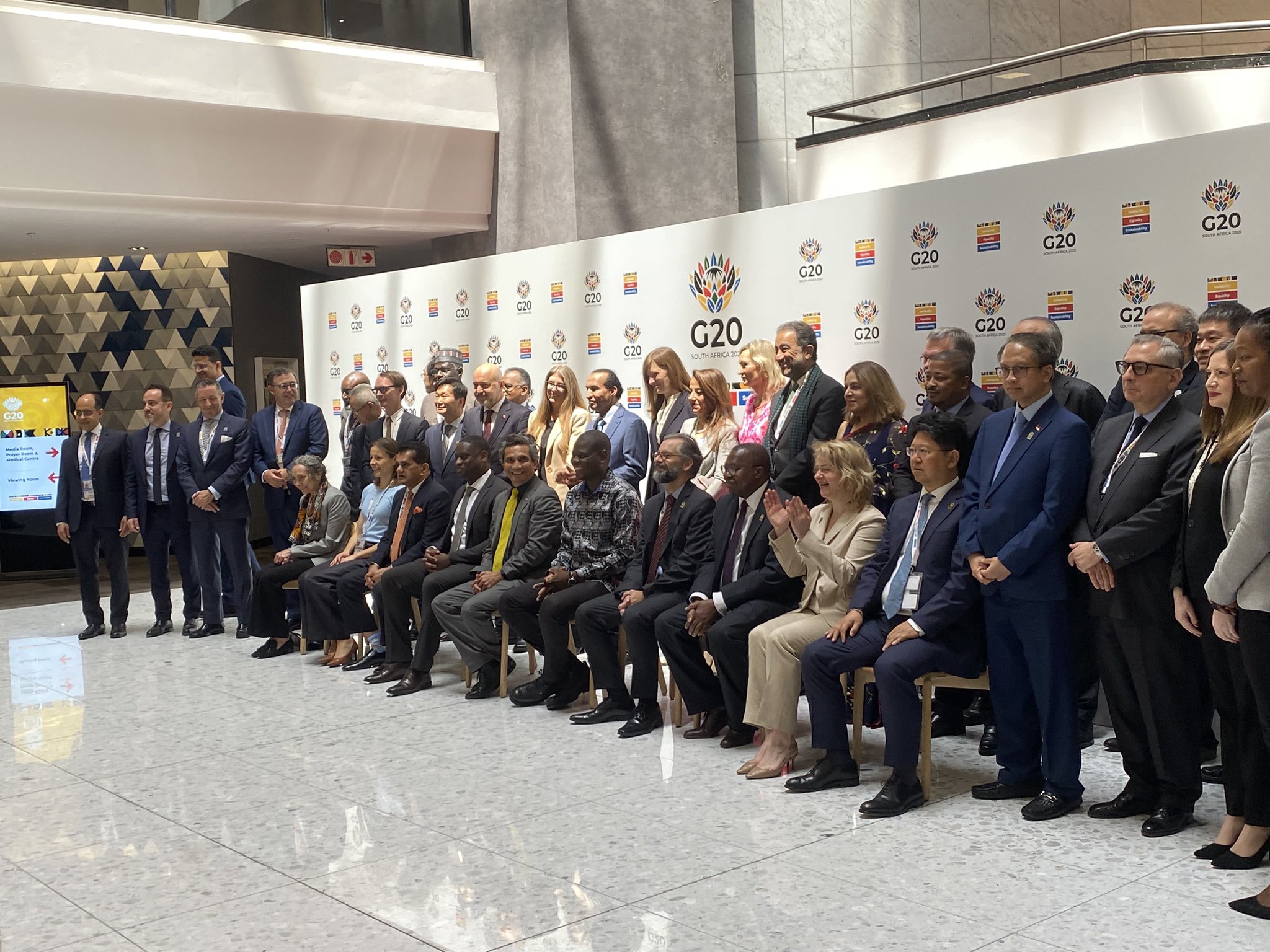
The first gathering of sherpas from the Group of 20 (G20) nations has set the stage for a potentially transformative dialogue surrounding the global financial system, with South Africa leading the charge. As the country assumes the presidency of this influential forum, the agenda is clear: establish a commission aimed at reviewing and reforming the global financial architecture that underpins economies worldwide.
Central to this inaugural meeting is the pressing issue of high debt levels afflicting many nations in the Global South, particularly those within Africa and South Africa itself. The proposed cost-of-capital commission will examine the intricate relationship between soaring national debts and the increasing costs associated with servicing that debt. With fiscal space becoming an ever-scarcer resource, this initiative aims to alleviate some of the economic burdens faced by these developing nations.
“The G20 offers a platform to address the disparities in debt servicing that many countries, especially in the Global South, encounter,” said a G20 spokesperson. “By tackling the structural issues of our financial system, we can create pathways for more inclusive growth, ensuring that rising costs do not stifle development.”
The significance of this commission cannot be understated. As countries grapple with the ramifications of global economic volatility, the need for sustainable financial practices becomes paramount. Many African countries find themselves ensnared in a cycle of debt that not only limits their economic potential but also exacerbates social inequalities. The sherpas’ focus on this reform could herald a new approach to global finance—one that prioritises equity and adaptability in policy-making.
This initiative comes at a time of heightened awareness around the need for financial reforms that better reflect the realities of developing economies. As the world emerges from the throes of a pandemic and navigates geopolitical tensions, the G20’s leadership will be crucial in fostering a more resilient and responsive financial framework.
With the discussions set to unfurl over the coming weeks, the eyes of the world will be on South Africa. The outcomes could reshape how financial institutions operate in the Global South and contribute to a more balanced global economic landscape. The outcome of this commission might just be a pivotal step towards a more inclusive and equitable world economy.