


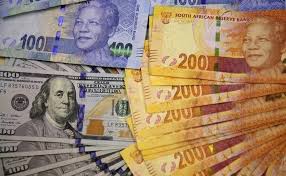
As South Africa navigates through a myriad of economic challenges and opportunities, the nation’s economic growth for 2025 could rise to nearly 2%. However, analysts are warning that volatility awaits, primarily due to the prospect of “Trump policy risk,” which may drive consumer inflation higher and instigate a tightening of monetary policy.
According to Citadel’s 2025 Economic Outlook released on Thursday, the potential return of Donald Trump to the White House could stir market instability and currency fluctuations. Analyst Mike van der Westhuizen emphasises the need for South Africa to turn its focus toward intrinsic factors that can be managed domestically to fortify the economy.
“Right now, Trump policy is the biggest known-unknown of 2025,” said van der Westhuizen. “The big question around US policy is whether the bark is bigger than the bite. What we do have control over is how we manage the systemic issues in the SA economy – and this is where our new Government of National Unity (GNU) needs to act.”
The potential disarray stemming from Trump’s unpredictable decision-making methods could exacerbate market volatility. Van der Westhuizen advocates for diversified portfolios and prudent asset management as strategies for confronting such uncertainties, declaring that “volatility presents an opportunity” for those who adeptly manage risk.
While Citadel expects South Africa’s economic growth to average around 1.8% annually in the coming years, a growth rate closer to 3% is necessary to sustainably address the unemployment crisis and strengthen the nation’s precarious fiscal standing. “To turn the tanker around, it is time for the massive uplift in sentiment towards the new GNU to be turned into real action,” van der Westhuizen stated, highlighting the need for more impactful governmental initiatives.
He noted that recent improvements in energy security due to a break in loadshedding have provided a significant boost, but there is still much work to be done to secure long-term energy sustainability. “Fixing the rail and port issues is critical to our export sector and has caused a loss of trade revenue,” he said, underscoring the importance of addressing systemic failures in water security and municipal governance.
Meanwhile, a separate report from PwC suggests that although the incoming administration in Washington is likely to uphold key trade policies, such as the Africa Growth and Opportunity Act (AGOA), South Africa’s eligibility for the programme remains precarious. Concerns abound surrounding Trump’s proposed tariffs of 10% to 20% on all US imports, which could significantly diminish demand for South African exports to the world’s largest economy.
PwC holds a more conservative forecast for South Africa’s growth, estimating an increase between 0.5% and 1.3% for 2025, citing persistent uncertainties looming over the economic landscape. Despite this, analysts point to signs of hope, including low inflation rates, decreasing interest rates, and rising real wages, all of which are likely to enhance household consumption.
Lullu Krugel, chief economist at PwC South Africa, mentioned, “South Africa begins each year with uncertainty over its economic trajectory. However, at the start of 2025, there is much more to be positive about compared to 12 months ago.”
Going into 2025, economists remain hopeful that lower inflation and an expected decline in interest rates will help bolster business and investment conditions compared to prior years. PwC anticipates that the South African Reserve Bank may reduce interest rates by an additional 50 basis points during the first quarter of 2025 in an effort to maintain inflation within its target range of 3% to 6%, with consumer price inflation forecasted to average around 4.5% for the year.