


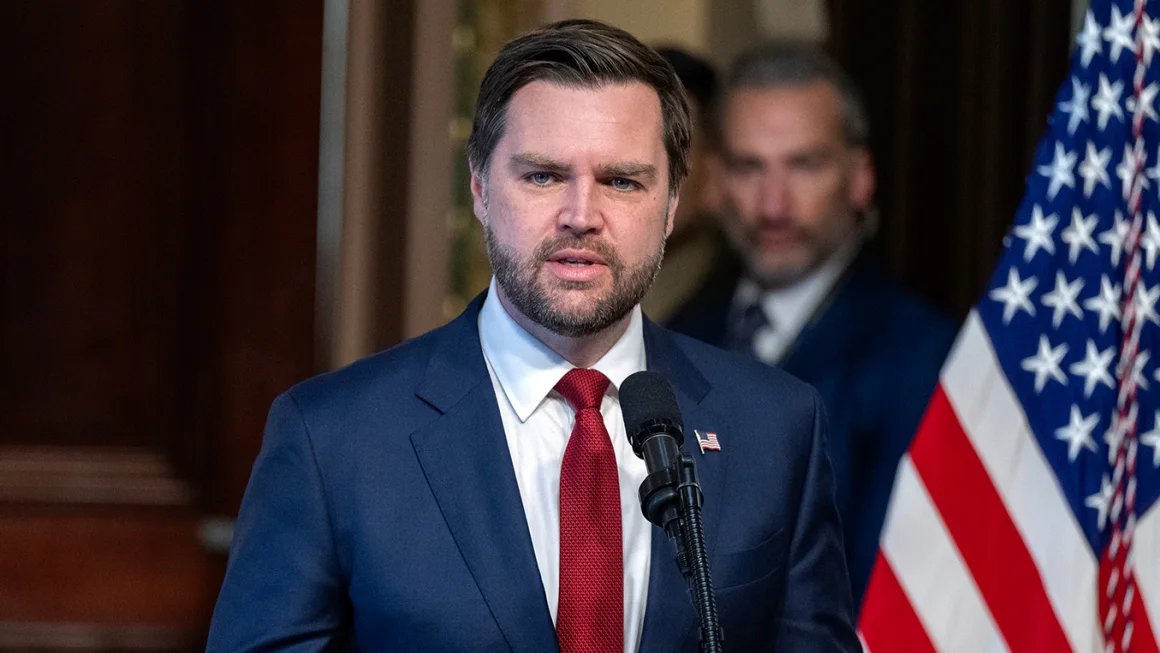
US Vice President JD Vance ignited controversy following a media interview in which he discussed the Trump administration’s trade policy towards China. Vance’s remarks, which included a reference to borrowing money from what he described as “Chinese peasants” to support the purchase of manufactured goods, have been met with sharp criticism from China’s Ministry of Foreign Affairs.
The spokesperson for the Ministry, Lin Jian, expressed both surprise and sadness regarding Vance’s choice of words, labelling them as “ignorant and impolite.” This public rebuke underscores the sensitive diplomatic landscape between the two nations, especially amidst ongoing trade tensions that have been inflamed over recent years.
Critics have highlighted that the term “peasants” is not only pejorative but also reflects a significant misunderstanding of China’s demographic landscape. With over 65% of the Chinese population now residing in urban areas, many argue that referring to large segments of the population as “peasants” is an outdated and misleading description. This sentiment echoes the broader concerns about Western perceptions of China, which often fail to acknowledge its rapid modernisation and economic development.
Vance’s comments come at a time when the Biden administration is also navigating complex relations with China, particularly in trade and economic matters. The exchange reflects deeper ideological divides over how to approach cooperation and competition with a nation that plays a pivotal role in the global economy.
As the controversy unfolds, it raises questions not only about the language used in diplomatic discussions but also about the implications of such rhetoric on international relations.