


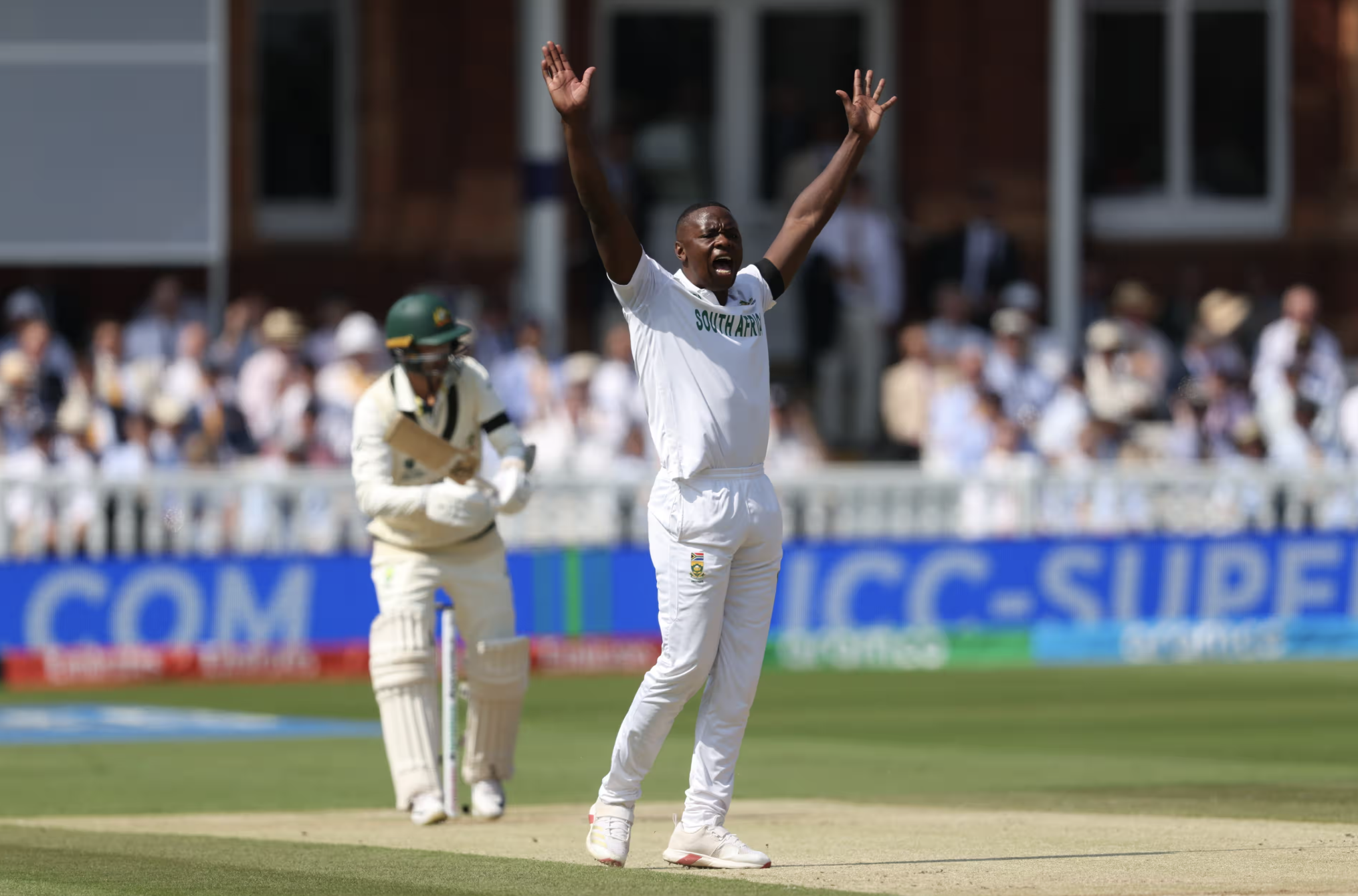
On a sunlit day at Lord’s, Australia found resilience deep within their batting order as they sought to bolster their lead against South Africa in the World Test Championship final. With the scoreboard reading 179-9 on the third day, the spotlight was on Mitchell Starc and Josh Hazlewood to capitalise on the promising batting conditions while South Africa battled hard to secure the final two wickets.
As South Africa’s premier paceman Kagiso Rabada returned to the crease, there was a palpable sense of anticipation. He had already claimed four wickets in the match, and hopes were high for a fifth and perhaps a decisive sixth to dismiss the Australian tailenders. The pressure was mounting on the home side; any further runs added by Australia’s bowlers could prove incredibly damaging in the context of the match.
The morning’s play had begun with urgency. After an impressive spell from Rabada, who had displayed his usual skill and determination, Starc took to the crease with a composed performance, nudging singles to keep the scoreboard moving. The Australian number 11’s experience showed as he absorbed pressure without undue risk, proving pivotal at a moment when wickets fell frequently and the match hung delicately in the balance.
Starc’s score of 41 came off 104 balls – a noteworthy achievement for a lower-order batsman. This considerable contribution had seen him outlast more experienced teammates from the Australian batting line-up, showcasing an unexpected maturity. Meanwhile, Hazlewood provided steady support, helping Starc to rotate the strike and accumulate valuable additional runs. Their combined efforts pushed the lead to a challenging 236.
However, South Africa, facing a daunting task, remained cautious and somewhat defensive in their field placements, which drew criticism as they dialled back on setting an attacking field for Rabada. The captain, Temba Bavuma, seemed to struggle with the balance between aggression and conservatism, leading to some frustrating plays for the Proteas’ supporters. The lack of slips, and the presence of deeper fielders, indicated a nervousness creeping into their approach as they sought to find a breakthrough but appeared to be running out of ideas.
With the Australian lower order digging in, one could sense that if South Africa did not act quickly, this final might slip from their grasp. The last two wickets may be considered ‘tail’ but with scores of 32 and 8 from Starc and Hazlewood, respectively, they are forging their legacy, playing a crucial part in this narrative of batting resolve.
The match continues to present an uncertain future. If South Africa could regain momentum and claim those final two wickets, they may yet have a chance to challenge Australia’s total. But if the tail can wag just a little longer, the burden of expectation will increase on the Proteas as they prepare to chase a sizeable target while the shadows grow longer across the hallowed ground at Lord’s.