



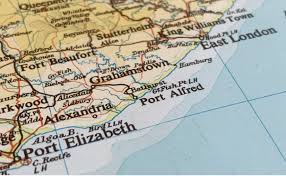
In a significant move towards enhancing South Africa’s cultural landscape, the Department of Arts and Culture and the South African Geographical Names Council (SAGNC) have urged citizens to engage in the process of transforming major town and city names throughout the country. This initiative is a pivotal step in empowering the SAGNC to fulfil its mandate: to lead the evolution of South Africa’s naming conventions, ensuring they resonate with the nation’s diverse languages, cultural heritage, and democratic ideals.
According to the latest reports, over 1,500 geographical names have already been standardised across the nation, with impactful alterations made in regions such as the Eastern Cape, Limpopo, Mpumalanga, and Gauteng. This recent call seeks not only a broader public participation but also a deeper resonance with the identities embedded in these names.
To facilitate this cultural renaissance, the SAGNC has implemented an awareness campaign aimed at equipping residents with essential information about the name-changing process. As articulated in a joint media statement, the Council and the Department express their commitment to making this process accessible to all. “If a village, town, city, or geographical feature has a name that local people wish to change to reflect their language or cultural heritage, affected and interested parties can approach their nearest Provincial Geographical Names Committee or visit the SAGNC website at sagns.gov.za for guidance,” they stated.
These initiatives also contribute to what are termed “symbolic reparations,” a concept supported by the findings of the Truth and Reconciliation Commission. They aim to restore dignity and pride and to rectify historical injustices that linger in the shadows of the nation’s past. The move towards renaming seeks to honour the diverse cultures present within South Africa’s demographics, reinforcing the values of a democratic state that upholds the heritage of its people.
As South Africa moves forward in reshaping its identity, the outcome of this initiative could profoundly influence how communities perceive and connect with their geographical surroundings. By embracing changes that reflect local languages and cultures, the country is taking meaningful steps towards inclusivity and recognition of its rich tapestry of histories.

