


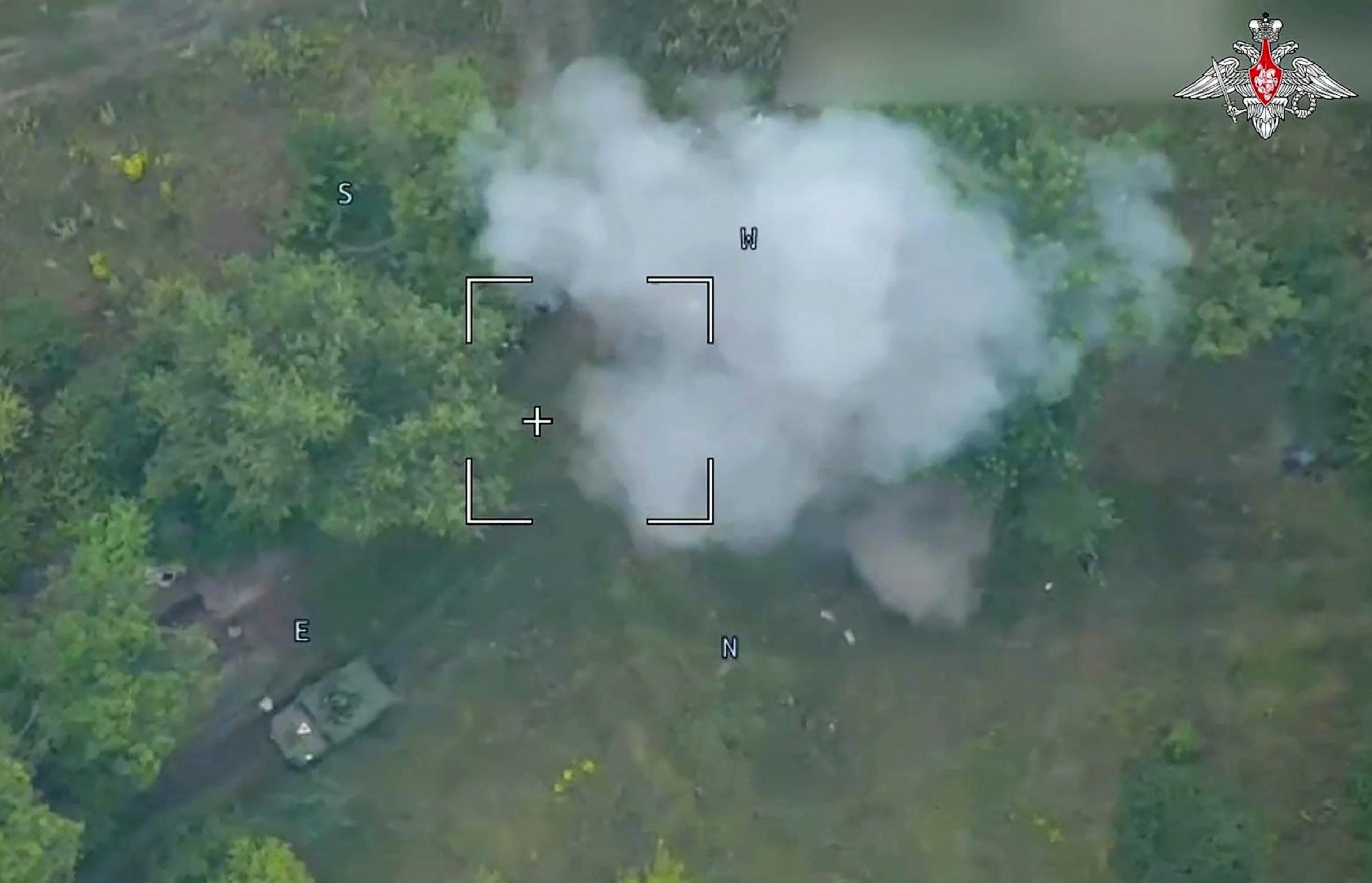
In a heartfelt acknowledgment during his State of the Province Address, KwaZulu-Natal Premier Thami Ntuli lauded President Cyril Ramaphosa for securing the safe return of 17 South African men who were allegedly deceived into fighting in the Russia-Ukraine conflict. Fifteen of the men have been reunited with their families, while the remaining two are in the custody of the South African consulate abroad and expected to return home soon.
The repatriation marks a diplomatic victory amid growing concerns over deceptive recruitment practices targeting vulnerable individuals in Africa for foreign wars. The Department of International Relations and Cooperation (DIRCO) is actively investigating how the group ended up on the frontlines, with potential charges of human trafficking and fraud looming over alleged recruiters.
Deceptive Promises Lead to Battlefield Ordeal
The men, primarily from KwaZulu-Natal, reportedly traveled to Russia in 2025 under the belief they were pursuing legitimate opportunities in security or bodyguard training. Instead, they claim to have been coerced into signing military contracts in Russian—a language unfamiliar to them—resulting in their deployment to active conflict zones in Ukraine. Such participation violates South African law, which prohibits citizens from engaging as mercenaries or in foreign conflicts without government approval.
Premier Ntuli captured the national sentiment in his address on February 27, stating, “The reports about our sons who were taken to Russia to join wars between countries devastated not only their parents but the entire nation. I wish to thank His Excellency President Cyril Ramaphosa for intervention, which resulted in our sons being brought back home.”
Timeline of Events and Diplomatic Efforts
The saga unfolded over several months, beginning with distress calls from the men and their families in November 2025. Accusations surfaced linking Duduzile Zuma-Sambudla, daughter of former President Jacob Zuma, to the recruitment process, though she denied involvement, insisting the trip was for lawful training. She subsequently resigned as an MP amid the controversy.
In December 2025, South African police arrested five individuals, including a public broadcaster presenter, suspected of recruiting for the Russian military. They were released on bail as investigations continue.
A pivotal moment came on February 10, 2026, when President Ramaphosa discussed the issue with Russian President Vladimir Putin during a phone call, securing commitments for their release. Initial returns followed, with four men arriving home around February 20, and eleven more landing in Durban on February 24-25. One of the remaining two is receiving medical treatment in Moscow, while the other is finalizing travel under embassy oversight.
President Ramaphosa expressed “heartfelt gratitude” to Putin for Russia’s cooperation in facilitating the returns.
Political Tensions and Broader Implications
The incident has ignited political debates, with ties alleged to the uMkhonto weSizwe (MK) Party led by Jacob Zuma. During the State of the Nation Address debate, ANC MP Ronald Lamola accused Zuma of “selling” the men, leading to heated parliamentary exchanges. The MK Party has denied any involvement.
This case underscores a wider pattern of foreign recruitment networks preying on unemployed Africans, with similar repatriations reported from Kenya, where 27 citizens were recently brought home from Russian forces. Families have voiced relief mixed with frustration over the delays and risks endured.
On social media platform X, reactions range from praise for Ramaphosa’s diplomacy to skepticism about the men’s intentions, with calls for accountability dominating discussions. International media has highlighted it as part of ongoing recruitment challenges in the protracted war.
As investigations proceed, South African authorities emphasize their commitment to protecting citizens from such exploitative schemes, urging vigilance against dubious overseas job offers.