



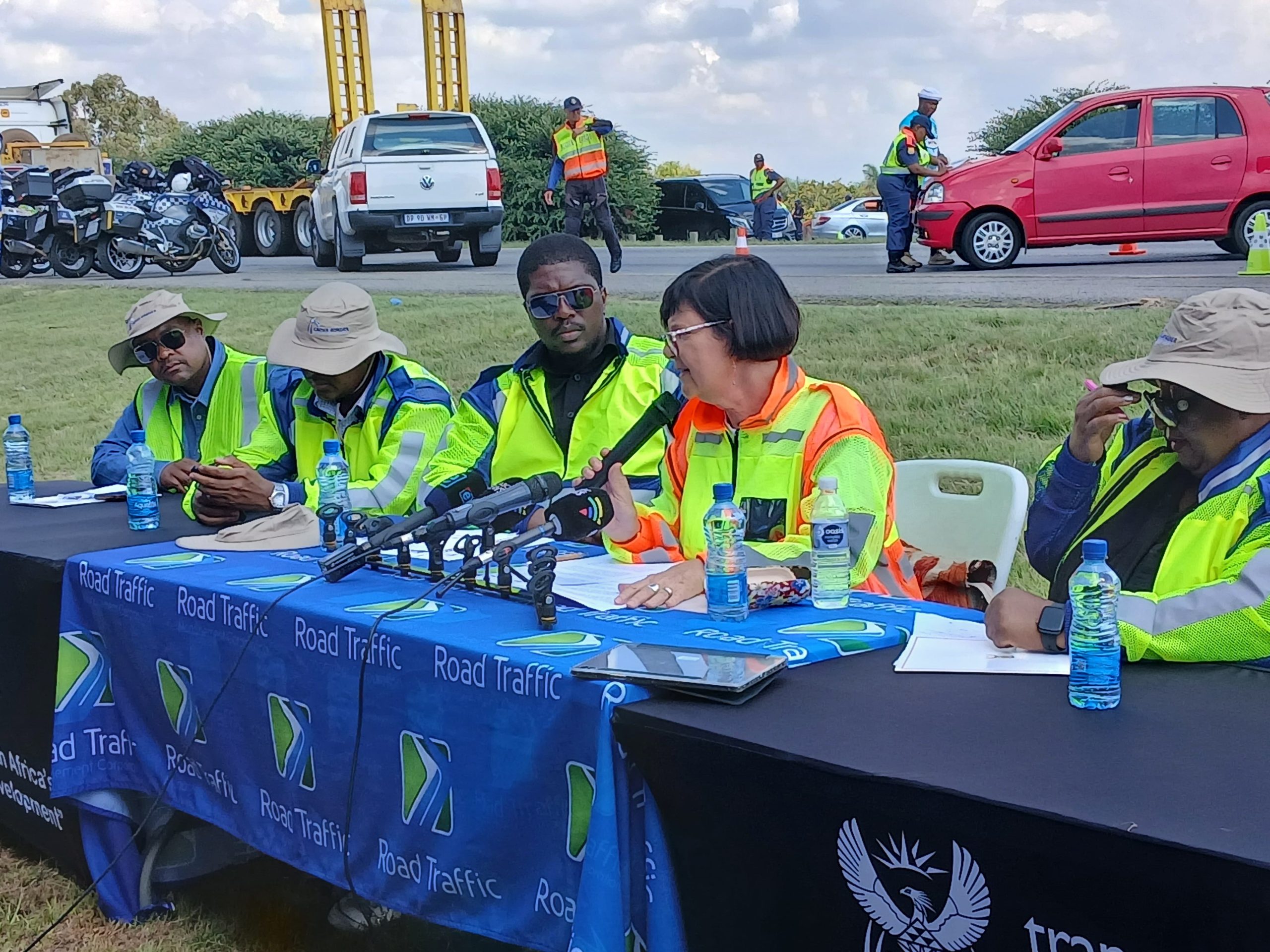
Transport Minister Barbara Creecy has launched the 2026 Easter Road Safety Campaign, reporting a significant decline in road crashes and fatalities, while raising concern about the high number of pedestrian deaths on South Africa’s roads.
Speaking in Vosloorus, on Friday, Creecy said preliminary figures from 1 January to 15 March show the lowest number of road fatalities recorded in six years. Crashes have dropped by 11% compared to the same period last year, while fatalities are down by 10%, with six provinces recording improvements.
The campaign, running from 20 March to 1 May, comes as the country prepares for major religious holidays including Easter, Eid al-Fitr and Passover—traditionally one of the busiest and most dangerous periods on the roads.
Creecy attributed the progress to stronger law enforcement, partnerships with civil society and improved driver behaviour. However, she warned that human error remains the leading cause of accidents, accounting for more than 80% of crashes.
Under the theme “It Begins With Me”, the campaign calls for greater personal responsibility from all road users, including drivers, passengers and pedestrians.
Authorities will intensify enforcement along high-risk routes such as the N1, N2, N3 and N4, with increased roadblocks and patrols. Particular focus will be placed on public transport safety, vehicle roadworthiness and drunk driving.
Government data shows over 342,000 vehicles mainly taxis, buses and trucks are currently unroadworthy, while more than 338,000 professional driving permits have expired. Creecy said defective vehicles will be impounded immediately.
A major concern highlighted by the Minister is pedestrian safety. Pedestrians account for nearly half of all road fatalities, prompting targeted interventions including patrols near highways and entertainment areas to prevent dangerous crossings, especially by intoxicated individuals.
The Easter period consistently records a spike in road deaths in South Africa due to increased travel, long-distance driving, fatigue and alcohol consumption. Government campaigns during this time aim to reduce fatalities through visible policing and public awareness.
South Africa has also committed to the United Nations goal of halving road deaths by 2030, aligning road safety with broader human rights principles such as the right to life and safe mobility.
Perspective:
While the decline in fatalities signals progress, the figures also highlight persistent structural and behavioural challenges. The high number of unroadworthy vehicles and expired permits points to systemic enforcement gaps, particularly in the public transport sector.
At the same time, the continued vulnerability of pedestrians reflects deeper issues such as inadequate infrastructure, urban planning and socio-economic conditions that force people to walk along or across highways.
Creecy’s emphasis on personal responsibility underscores the role of individual behaviour, but sustained improvements will likely depend on a combination of stricter enforcement, infrastructure upgrades and long-term behavioural change.
As traffic volumes increase over the holiday period, authorities face the ongoing challenge of maintaining momentum and ensuring that the recent gains translate into lasting road safety improvements.

