


Iran has launched a fresh barrage of missiles and drones at the United Arab Emirates, raising fears that a fragile ceasefire in the region could collapse and trigger wider instability across the Gulf.
The UAE Ministry of Defence confirmed that its air defence systems intercepted the majority of incoming threats, including cruise missiles, ballistic missiles and unmanned aerial vehicles. Despite this, debris from an interception — or a possible direct strike — ignited a major fire at the Fujairah Petroleum Industries Zone, a key oil storage and export facility located along the Gulf of Oman.
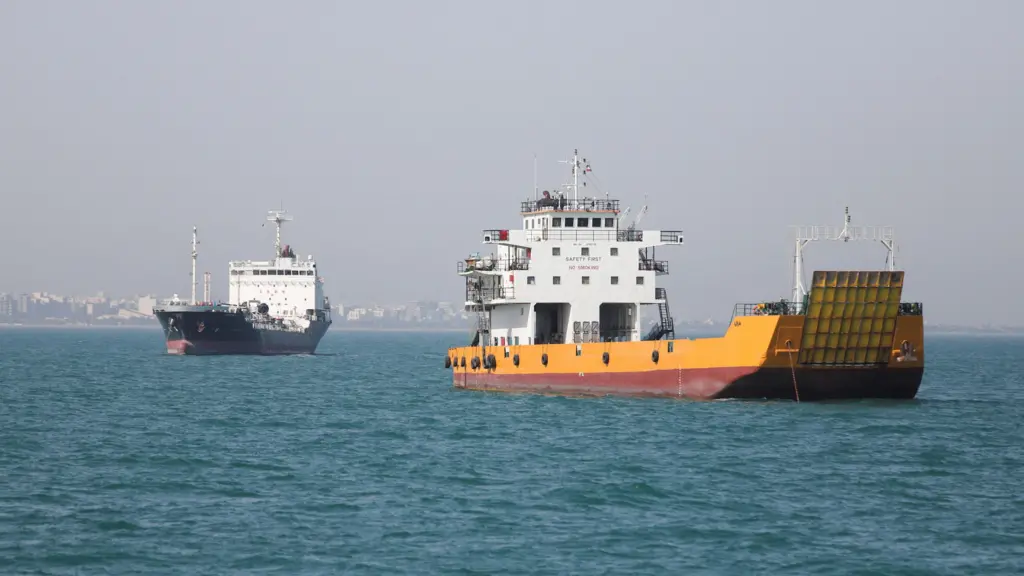
The site plays a critical role in global energy logistics, serving as an alternative route for oil shipments that bypass the strategically sensitive Strait of Hormuz. Damage to the facility has heightened concerns over the security of international oil supply chains.
Eyewitnesses and satellite imagery showed thick plumes of black smoke rising from the industrial zone as emergency crews battled the blaze under heightened security conditions. While no immediate casualties have been reported from the latest incident, previous strikes since late February have resulted in civilian deaths and damage to key infrastructure, including ports and airports across the UAE.
The attack comes just weeks after a ceasefire agreement announced in April, aimed at de-escalating tensions following a period of intense conflict earlier this year. Under the terms of the truce, Iran had agreed to halt attacks on Gulf shipping routes and reopen key maritime corridors in exchange for sanctions relief and broader de-escalation measures.
However, UAE officials have directly blamed Iran for the latest assault, describing it as a clear violation of the ceasefire. Tehran has denied targeting civilian infrastructure, maintaining that its operations were aimed solely at military installations linked to United States and Israeli interests.
The escalation has raised fresh concerns about the stability of the region, particularly as the UAE has been one of the most frequently targeted countries during the conflict, despite its advanced missile defence systems.
Global energy markets reacted swiftly to the developments, with oil prices rising amid fears of supply disruption. The Fujairah facility is one of the world’s largest oil storage and bunkering hubs outside the Strait of Hormuz, and any prolonged disruption could force shipping traffic back into the narrow chokepoint, where tensions remain high.
In response, the United States has increased its naval presence in the region as part of its escort initiative known as “Project Freedom”, aimed at protecting commercial shipping routes.
Regional reactions have been mixed. While Gulf Cooperation Council states condemned the attack, divisions have emerged among political and ideological groups, highlighting deeper tensions within the region.
The latest strike underscores the fragility of the current ceasefire and raises the risk of further escalation in the coming days. Authorities are continuing to assess the extent of the damage, while diplomatic efforts are expected to intensify as global powers seek to prevent a broader conflict.
This remains a developing situation, with further updates expected as more information becomes available.