


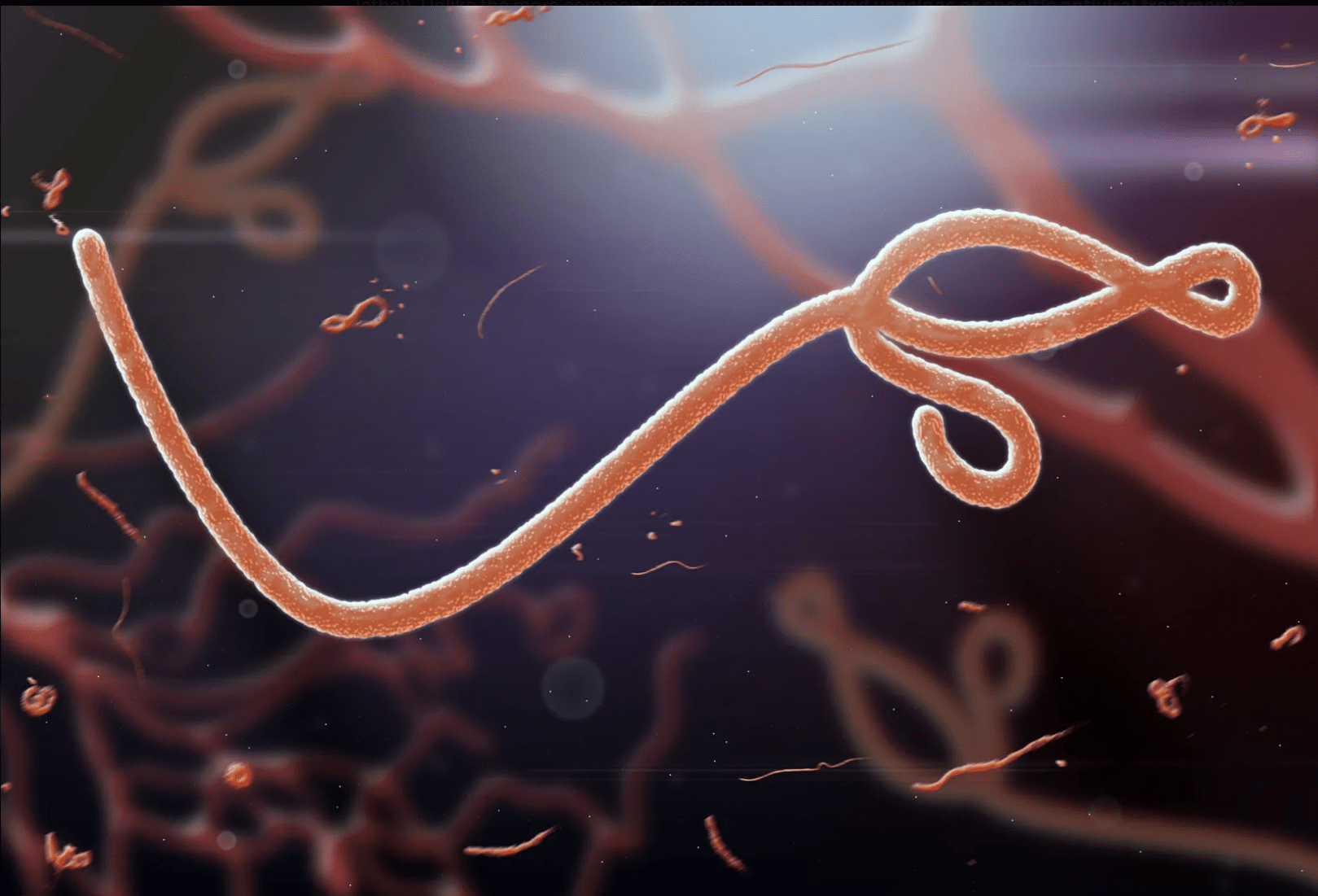
The World Health Organization (WHO) has declared the Ebola outbreak affecting the Democratic Republic of the Congo and Uganda a “public health emergency of international concern”, warning of an increased risk of cross-border spread across Central Africa.
The declaration, the WHO’s highest level of alert under the International Health Regulations, was announced by Director-General Tedros Adhanom Ghebreyesus following an emergency committee meeting. Officials stressed that the declaration does not mean the outbreak is a pandemic, but signals the need for urgent international coordination and support.
The outbreak is being driven by the Bundibugyo strain of the Ebola virus and is centred in Ituri Province in eastern DRC, with confirmed cases now reported in Uganda.
According to the latest WHO figures, DRC authorities have confirmed eight laboratory cases and 246 suspected cases, with between 80 and 88 suspected deaths recorded across the Bunia, Rwampara and Mongbwalu health zones. Uganda has confirmed at least two imported cases linked to travel from the affected region in the DRC, including one death.
Health officials say the number of suspected infections now exceeds 300, with cases rising rapidly near the porous border between the two countries.
The Bundibugyo strain, first identified in 2007, carries an estimated fatality rate of between 25 and 40 per cent. Unlike the more common Zaire strain of Ebola, there are currently no approved vaccines or targeted antiviral treatments available for this variant.
Response efforts are therefore focused on traditional public health interventions, including strict isolation of infected patients, intensive contact tracing, safe burials, community awareness campaigns and supportive medical care.
The WHO says the emergency declaration will allow faster mobilisation of international funding, medical supplies and specialist response teams. The Africa Centres for Disease Control and Prevention has already called for urgent regional coordination, while neighbouring countries have been advised to strengthen border screening and surveillance measures without unnecessarily disrupting travel or trade.
Containment efforts remain complicated by conflict and limited healthcare infrastructure in eastern DRC, although health authorities note that previous Bundibugyo outbreaks were successfully contained through rapid intervention measures.
WHO and its partners continue to scale up laboratory testing, surveillance and public communication as the full extent of the outbreak remains under assessment.