


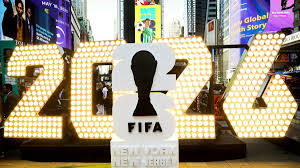
FIFA has unveiled a series of new regulations ahead of the 2026 FIFA World Cup, introducing some of the most comprehensive rule changes in modern football as preparations intensify for the global tournament.
The new directives, approved less than 10 days before the competition kicks off in June, have generated mixed reactions among fans, players and football associations. While some have welcomed the measures as necessary steps to improve fairness and efficiency, others have described them as among the strictest regulations ever implemented in the sport.
Among the key changes, the Video Assistant Referee (VAR) will now be permitted to review clear attacking fouls committed before corners and free-kicks when they directly influence goals, penalties or disciplinary decisions. On-field reviews will be mandatory when necessary.
FIFA has also introduced tougher disciplinary measures. Any player who aggressively covers their mouth while speaking to an opponent will receive a red card, although non-aggressive gestures will not be penalized. In addition, players or coaches who leave the pitch in protest of refereeing decisions will be automatically sent off.
To improve the flow of matches, goal-kicks must be taken within five seconds, with a corner kick awarded to the opposing team for any violation. Throw-ins will also be subject to a five-second limit, with possession handed to the opposition if players fail to restart play in time.
Substituted players will be required to leave the field within 10 seconds. Failure to do so will prevent them from re-entering the pitch until the next stoppage in play.
VAR’s authority has also been expanded to cover incidents involving second yellow cards, mistaken identity and incorrect corner-kick decisions.
Another significant change is the introduction of a mandatory three-minute hydration break in each half of every match throughout the tournament, a move aimed at protecting player welfare.
According to FIFA President Gianni Infantino, the new rules are designed to enhance the quality of competition, promote fairness and minimize unnecessary disruptions during matches.
The 2026 FIFA World Cup will feature 48 teams and will be jointly hosted by Mexico, the United States and Canada, making it the largest edition of the tournament in history.

