


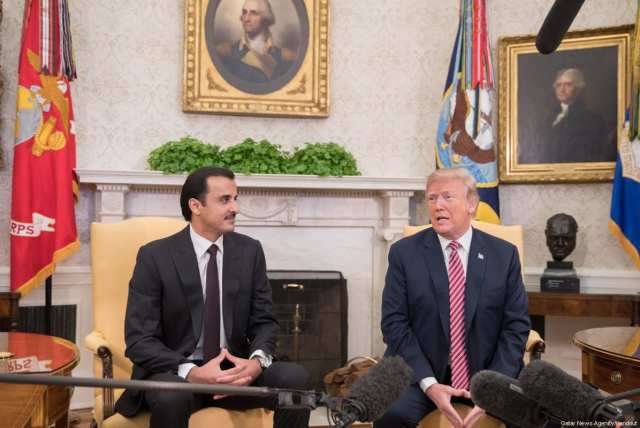
Qatari negotiators are expected to arrive in Tehran on Sunday as part of ongoing diplomatic efforts aimed at securing a final agreement to end the war between the United States (United States) and Iran.
The talks form part of an intensified international push to establish a framework agreement that could bring an end to the conflict, which began more than three months ago.
Officials from the United States and Pakistan have expressed cautious optimism that a preliminary deal could be reached on Sunday, potentially paving the way for de-escalation and a longer-term peace settlement.
If successful, the framework would mark a significant breakthrough in efforts to stabilise the region and end one of the most disruptive conflicts in recent months.
Attention has also turned to the international response, with leaders at the recent G7 Summit reportedly discussing the escalating tensions and calling for urgent diplomatic restraint and a coordinated ceasefire pathway.
Former US President Donald Trump has also weighed in on the conflict, urging a swift resolution and suggesting that stronger international pressure could accelerate peace negotiations. His remarks have added a further political dimension to the global response, particularly among allied nations monitoring the talks closely.
However, Iranian authorities in Tehran have cast doubt on the proposed timeline, insisting that key disagreements remain unresolved. Domestic protests within Iran have also reflected growing opposition to the ongoing negotiations and any potential settlement.
Diplomatic observers caution that, despite heightened international engagement and political pressure, significant gaps remain between the parties, leaving the outcome of the talks uncertain.