


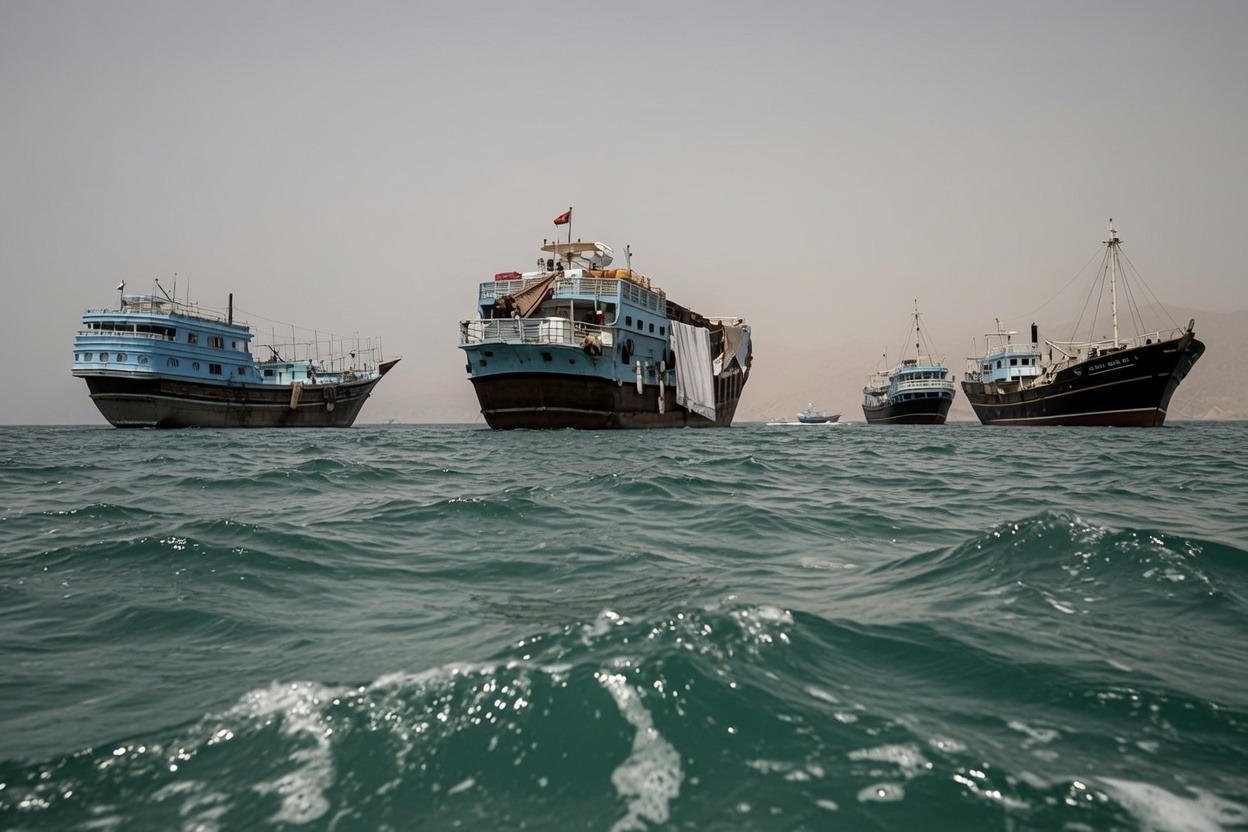
Despite renewed Iranian warnings about potentially closing the Strait of Hormuz, the recent transit of four Qatar-controlled LNG tankers through the waterway points to a more measured reality on the ground: commercial shipping is continuing, albeit cautiously, even under heightened geopolitical pressure.
The vessels Wadi Al Sail, Mekaines, Al Sadd and Mesaimeer passed through the strait on Monday, according to Kpler shipping data, using the Iranian-designated shipping lane. Their passage is notable because it is the first recorded LNG movement through the chokepoint since the escalation of the US-Israeli confrontation with Iran began in late February.
At the same time, overall traffic remains subdued. Daily vessel movements through the strait have fluctuated sharply, with Kpler reporting just five ships on Sunday compared with 26 the previous day, underscoring how sensitive routing decisions have become as tensions rise.
While QatarEnergy has not commented on the latest voyages, the reappearance of its LNG carriers suggests at least some exporters are testing a gradual return to normal operations after weeks of disruption. Other commercial traffic, including a Marshall Islands-flagged bulk carrier, has also resumed entries into the Gulf.
The broader picture remains complex. The Strait of Hormuz—through which a significant share of global oil and gas exports flows—continues to operate without a full closure, despite repeated political threats. Even after Iran signalled renewed intent to restrict passage following regional military developments, enforcement on the water has not translated into a complete shutdown.
US Central Command data indicates that dozens of merchant vessels are still transiting the corridor, carrying millions of barrels of oil. Crude shipments from Saudi Arabia, the UAE, Kuwait and Iraq have continued to reach global markets, while Iranian exports have also persisted through sanctioned channels.
However, shipping companies and Gulf producers are clearly hedging against uncertainty. Energy firms such as ADNOC and Kuwait Petroleum have introduced more flexible loading arrangements that allow cargoes to be shifted outside the strait if needed, reflecting a precautionary shift rather than a full operational retreat.
Asian stakeholders are watching closely as well, with Japanese and South Korean shipping interests reporting reduced fleet exposure in the region, even as key vessels continue to pass through.
Taken together, the situation reflects a fragile balance: heightened rhetoric and intermittent disruptions on one hand, and sustained—if reduced—energy flows on the other. The Strait of Hormuz remains open in practice, but its stability now depends on a delicate and evolving calculation by both state and commercial actors.