


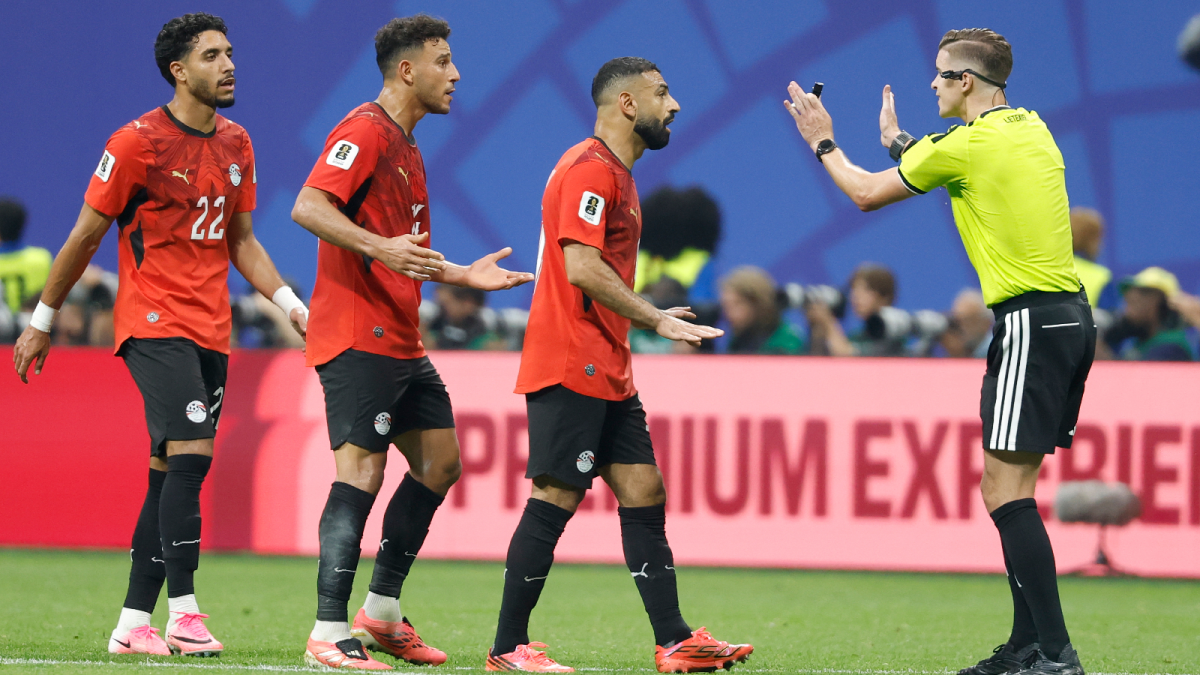
FIFA’s refereeing chief Pierluigi Collina has defended the integrity of World Cup match officials after Egypt’s controversial 3-2 defeat by Argentina triggered accusations of unfair officiating and renewed debate over the role of VAR.
The Egyptian Football Association (EFA) called for an investigation into the refereeing decisions after their last-16 exit, claiming there had been “double standards” in two key moments that went against them during the match.
But Collina rejected the allegations, saying criticism of referees must remain focused on football decisions rather than questioning their honesty.
“Constructive discussion about decisions will always be part of football, but unfounded allegations have no place in our sport,” Collina said.
He warned that claims questioning referees’ integrity could have serious consequences, including increased pressure and threats against officials and their families.
The controversy centred on two second-half incidents. With Egypt leading 1-0, VAR ruled out a goal by Mostafa Zico after midfielder Marwan Attia was judged to have fouled Argentina defender Lisandro Martinez during the build-up.
Later, Egypt appealed for a penalty after Mohamed Salah went down in the Argentina box, but the referee and VAR decided there was no offence. Argentina went on to score a late winner and complete a dramatic comeback.
Collina backed both decisions, explaining that VAR is permitted to intervene when a clear foul occurs during the attacking possession phase before a goal.
“Stepping on an opponent’s foot is a foul,” he said, adding that the technology was correctly applied in the incident involving Attia and Martinez.
On the Salah incident, Collina said officials considered the contact between Salah and Argentina forward Julian Alvarez to be normal football contact rather than a foul.
“There will always be an element of subjectivity in some decisions,” he said, while insisting FIFA was satisfied with how refereeing principles had been applied throughout the tournament.
Egypt manager Hossam Hassan had previously claimed his team had been “treated unfairly” and suggested that Argentina’s status as world champions and Lionel Messi’s presence could have influenced decisions.
Collina dismissed any suggestion that refereeing could be influenced by outside figures, including FIFA president Gianni Infantino.
“Match officials make honest decisions and, just like players and coaches, they always try to do their best,” he said.
The dispute has added to wider criticism surrounding refereeing and disciplinary decisions at the World Cup, with questions continuing over whether VAR has improved fairness or simply shifted controversy from referees on the pitch to officials reviewing decisions behind the scenes.