


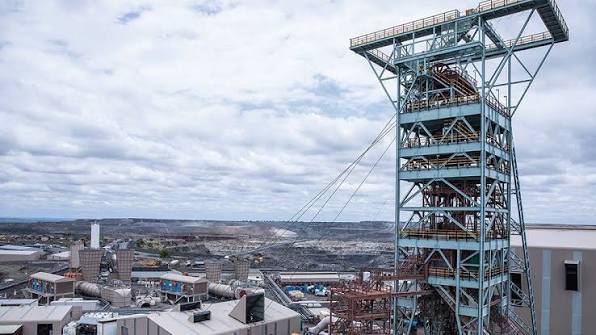
De Beers’ decision to suspend production at its Venetia Mine for two years has highlighted the mounting pressure facing the global diamond industry, with more than 1,200 jobs now at risk and concerns growing over the economic impact on Limpopo’s mining-dependent communities.
The mining giant says the temporary shutdown is driven by a significant decline in rough diamond prices, underscoring the challenges confronting producers as weaker global demand continues to weigh on the market.
Workers at the mine, South Africa’s largest diamond-producing operation, say they were shocked by the announcement, with some already receiving Section 189A notices that begin the formal consultation process for possible retrenchments.
Venetia Mine contributes more than 40% of South Africa’s diamond production and supports more than 3,500 contract workers. Industry observers say any prolonged disruption to production could have wider implications for the country’s mining sector, export earnings and local businesses that rely on mining activity.
The proposed suspension also raises concerns for the economy of Alldays and surrounding communities, where the mine serves as one of the region’s largest employers. Local retailers, transport operators, accommodation providers and small businesses could all feel the effects if large-scale job losses materialise.
Employees say the uncertainty extends far beyond the mine’s workforce.
The National Union of Mineworkers (NUM) has vowed to challenge the proposed retrenchments during consultations with De Beers, saying protecting jobs remains its top priority.
NUM chairperson at Venetia Mine, Tshilidzi Sikhwivhulu, described the announcement as unexpected and warned that the consequences would extend well beyond employees.
“Our first priority is to save jobs. This is not only about workers; it is about the communities and businesses that depend on the mine. We will engage the company to minimise job losses,” he said.
The suspension comes as the global diamond industry continues to navigate weaker consumer demand, shifting purchasing patterns and increased competition from laboratory-grown diamonds. Lower rough diamond prices have placed pressure on mining companies, prompting several producers to review output levels and operating costs.
For De Beers, temporarily suspending production forms part of a broader strategy to align supply with market demand while preserving the long-term sustainability of its operations. However, the decision illustrates the difficult balance mining companies face between managing commercial pressures and safeguarding employment.
Mining remains a cornerstone of South Africa’s economy, contributing significantly to export revenue, employment and investment. As a major producer of diamonds, platinum group metals, gold and coal, the sector supports thousands of direct and indirect jobs across the country.
Should the retrenchments proceed, economists warn that the effects could ripple through local supply chains, reducing household spending and placing additional strain on businesses that rely on mine employees as customers.