

Johannesburg Water and the City of Johannesburg are exploring innovative, water-efficient sanitation technologies to address a sanitation backlog affecting more than 103,000 households, particularly in informal settlements.
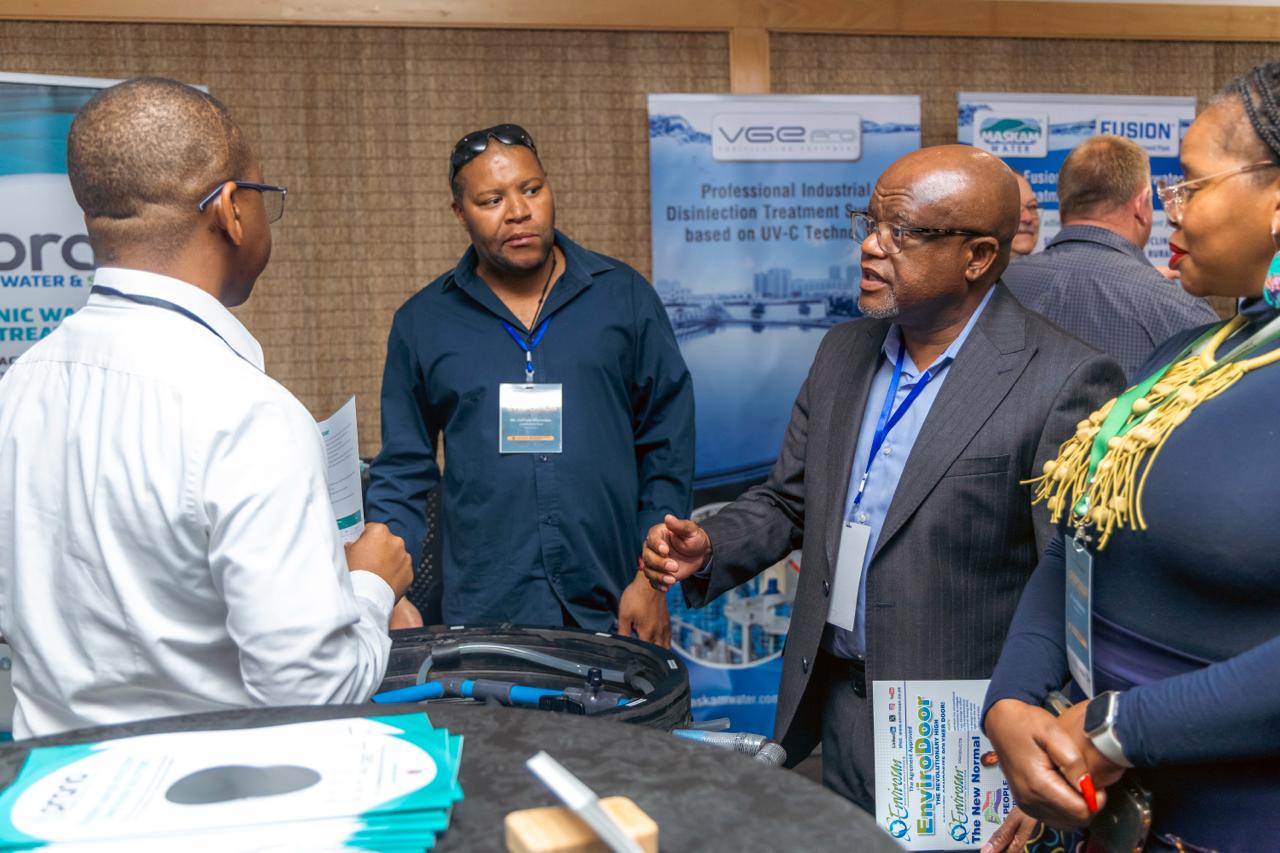
The utility is hosting the Advancing Water-Efficient Sanitation Solutions Symposium on 30 and 31 July, bringing together government officials, researchers, industry experts, financiers, community organisations and development partners to identify practical alternatives to conventional sanitation systems.
The symposium is being held in partnership with the Department of Water and Sanitation, the Development Bank of Southern Africa (DBSA), the South African Local Government Association (SALGA), the Water Partnerships Office, the Water Research Commission and Planact.
Johannesburg Water says rapid urbanisation, population growth and increasing pressure on ageing infrastructure require more sustainable and resilient sanitation solutions that protect the dignity of residents.
Senior Manager for Innovation and Technology, Dr Zakhele Khuzwayo, said the utility is committed to finding practical, long-term solutions to the City’s sanitation challenges.
“As Johannesburg Water, we want to demonstrate that we’ve done our due diligence, want to solve problems, and want to provide our residents with sustainable solutions to dignified sanitation services,” Khuzwayo said.
He said Johannesburg’s growing population has contributed to the expansion of informal settlements, with the City’s Human Settlements Department recording around 355 informal settlements in 2024.
According to Khuzwayo, the sanitation backlog in these communities had grown to more than 103,000 households by the end of the 2025/26 financial year.
To help address the shortfall, the City is expanding the use of alternative sanitation technologies, including the Clear Water Recirculation Toilet System, an off-grid, closed-loop recycling toilet designed for areas with limited water supply.

