



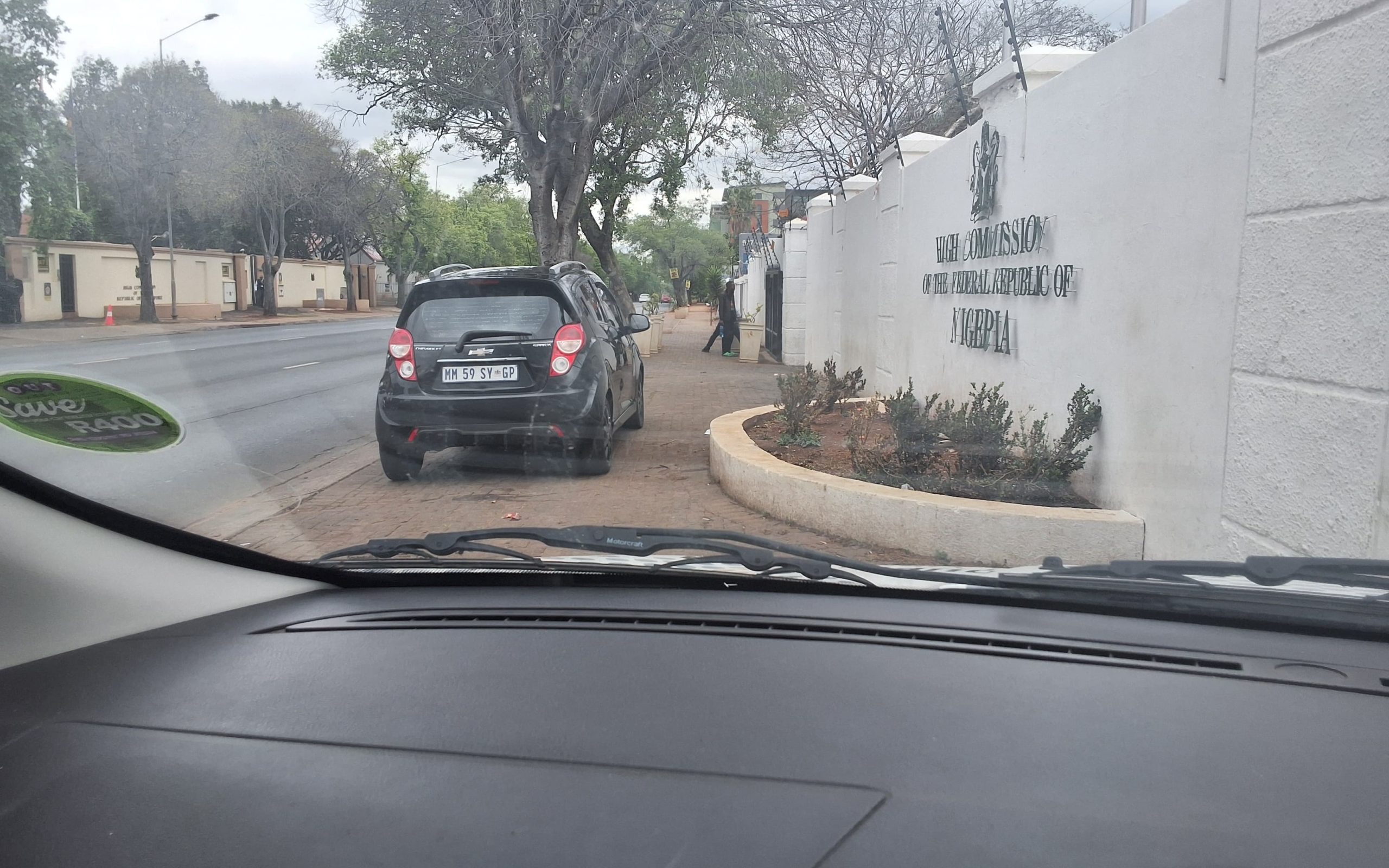
The number of people queuing outside the embassies of several African countries in Pretoria to be repatriated has dropped significantly, with only small groups now turning out.
Just under 100,000 people were repatriated between June and August amid a wave of anti-immigration protests.
Initially, hundreds of people stood in long, winding queues outside the Nigerian High Commission in Hatfield. However, only a handful of people remain.
The High Commissioner continues to provide support to Nigerians wishing to return home, with registration for those wanting to board the next flight out of South Africa set to take place on Thursday.
Officials have attributed delays to difficulties in verifying the nationalities of those presenting themselves for repatriation.
The usually busy Malawian Embassy has also seen a significant decline in the number of people seeking assistance to return to their home country.
Pressure groups have previously claimed that the immigration situation has been worsened by the slow adjudication of applications. However, Deputy Minister of Home Affairs Njabulo Nzuza dismissed the claim, saying applications are generally processed speedily.
“We do not have a backlog in terms of the first instance of application by refugee status determination officers, which means that in terms of the applications that we receive, our refugee status determination officers are able to deal with them and process them within time,” Nzuza said during a recent briefing to Parliament’s Portfolio Committee on Home Affairs.
Nzuza said it was the lengthy appeals process that was complicating the management of refugee applications.
“We, however, have a problem when it comes to the issue of appeals, and it is something that we have raised with the Portfolio Committee before, that we have some sort of an unending ‘blue sky’ appeal process, which then takes the backlog to SCRA as well as RA.
“By the way, they are not the only last resort when it comes to appeals. You will find that most applicants will then take their appeals to even judicial review, which makes the process quite cumbersome and very lengthy.
“I can indicate that we do have instances where our processes have been abused in terms of refugees and asylum seekers by economic migrants,” Nzuza said.