



Work is underway to consolidate South Africa’s emergency telephone numbers into a single number as part of broader efforts to ensure a speedy response to incidents.
Currently, crimes and other emergencies can be reported via 10111 or 112 when using a mobile phone. Minister in the Presidency Khumbudzo Ntshavheni has expressed the government’s intention to establish a single point of contact for reporting emergencies.
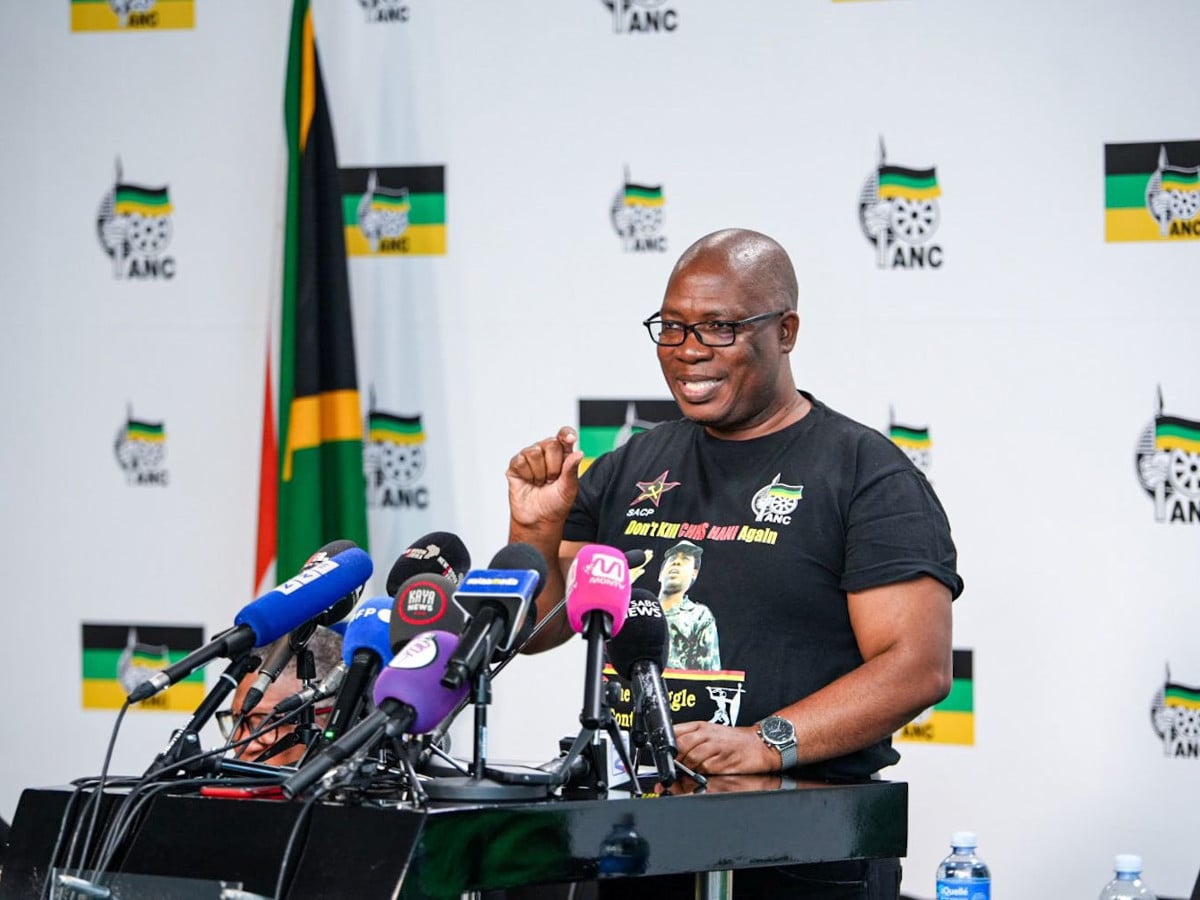
She addressed the media in Johannesburg alongside Gauteng Premier Panyaza Lesufi on the province’s response to the rising number of incidents of gender-based violence and femicide (GBVF).
Ntshavheni expressed satisfaction with the reliability of the existing emergency numbers but said they should be consolidated into one.
“What we can assure [the public] is that the Crime Stop number works. When there is an overload, there is a toll-free number, 112, that people can use from their mobile phones. In that regard, in 2022, the Department of Communications and Digital Technologies, and I know because I was there, started work to consolidate the National Emergency Response Number into one, covering both private and public services. That work is ongoing,” the minister said.
Other measures being implemented include improving street lighting and ensuring that CCTV cameras remain operational.
Meanwhile, Ntshavheni revealed that the dedicated Gender-Based Violence and Femicide Command Centre was also receiving a high volume of calls.
“There is a call centre number with the Gender-Based Violence Command Centre, a number which we have reported on as Cabinet and also as the IMC, that in August alone, it received a total of 11,398 calls, showing that the call centre number is very active. On an average day, it was averaging 368 calls per day. In September, the calls escalated to 589 incoming calls to that number,” she said.
Ntshavheni said the dedicated line, which provides immediate counselling to victims, also receives distress calls from people who have allegedly been mistreated at police stations when attempting to lay complaints.
“They are also available to support victims who go to police stations and feel that they are suffering from secondary victimisation. They take up the linkages with the police stations to make sure that no woman and no child can feel secondary victimisation at a police station. So that intervention is there,” the minister said.