


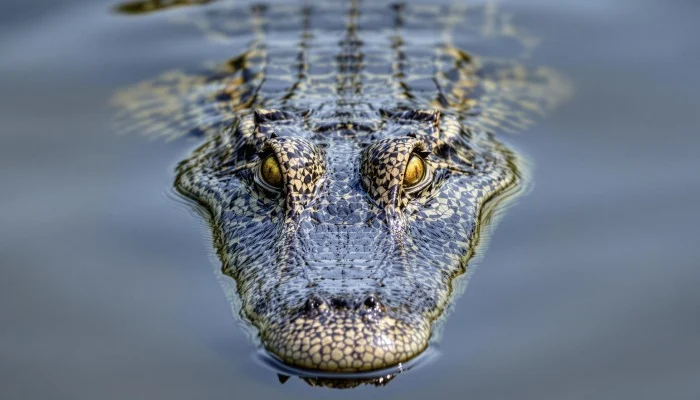
A 30-year-old man in Singapore is facing potentially serious jail time after an AI-generated video depicting a giant crocodile at a popular reservoir went viral and sparked widespread public concern.
Ye Lin allegedly created a realistic deepfake image of a large saltwater crocodile and superimposed it onto footage of Singapore’s Pandan Reservoir, a popular location for water sports.
Lin initially shared the video privately with a friend. However, the footage was later circulated online and quickly went viral, with members of the public believing the crocodile was real.
The incident prompted Singapore’s National Water Authority to suspend water-sport activities at the reservoir and launch a two-day search for the supposedly enormous reptile.
The search ultimately found no crocodile, with authorities tracing the scare back to the AI-generated video.
Lin now faces a charge carrying a potential sentence of up to three years in prison for creating and sharing the false video.
The situation escalated after Lin allegedly attempted to delete the AI application and chat logs when he realised he was in trouble. He is reportedly facing an additional charge of obstructing justice, which carries a potential sentence of up to seven years.
The case highlights growing concerns over the potential consequences of using artificial intelligence to create convincing false content.
While AI-generated images and videos can be used for entertainment and creative purposes, increasingly realistic deepfakes can also spread misinformation, cause public panic and trigger costly responses from authorities.
The Singapore case serves as a warning about the potential legal consequences of creating and distributing AI-generated content that causes real-world disruption.