


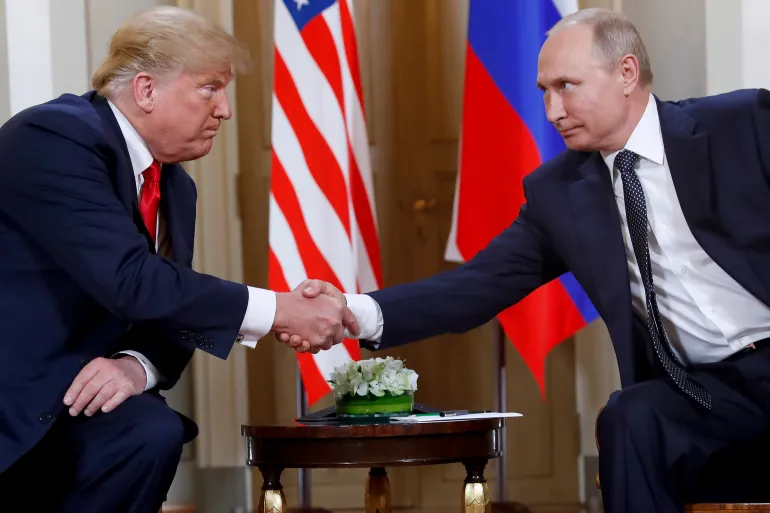
US President Donald Trump has announced an agreement with Russian President Vladimir Putin to purchase millions of tonnes of Russian diesel over the coming months, prompting criticism from Ukrainian President Volodymyr Zelenskyy and some US lawmakers.
Trump said the agreement was intended to help reduce fuel prices in the United States, which have risen amid disruptions to global energy supplies linked to the conflict involving Iran and the closure of the Strait of Hormuz.
Zelenskyy criticised the announcement, describing it as “absolutely terrible” and arguing that easing economic pressure on Russia could help Moscow sustain its war against Ukraine.
The development comes as diplomatic efforts to end the conflict continue and tensions persist over how the United States should balance energy costs with its approach to Russia.
Trump says deal could lower fuel prices
Announcing the agreement on his Truth Social platform, Trump said millions of tonnes of diesel would be delivered over the coming months.
He said reducing fuel costs was a priority, particularly for American farmers, ranchers and truckers, who rely heavily on diesel.
Fuel prices have risen following disruptions to international energy supplies. The closure of the Strait of Hormuz, a key route for global oil shipments, has added to concerns about supply and pricing.
Higher diesel costs can affect transport, agriculture and the prices of goods and services across the economy.
The potential impact of the agreement on US fuel prices remains uncertain.
Zelenskyy criticises the agreement
Zelenskyy said the deal risked providing Russia with additional economic resources while its military campaign against Ukraine continued.
He argued that reducing pressure on Moscow could allow it to sustain its military operations for longer. In public comments, the Ukrainian president also expressed concern about the lack of transparency surrounding the discussions.
The Ukrainian government has consistently called for continued international pressure on Russia as part of efforts to end the war.
Trump’s announcement has raised questions about how the proposed fuel arrangement will affect Washington’s relationship with Kyiv and its European allies.
Mixed reactions in Washington
The agreement has drawn criticism from Democratic lawmakers and some Republicans.
Senate Democratic leader Chuck Schumer, Senator Jeanne Shaheen and Senator Elizabeth Warren criticised the administration’s approach, arguing that the deal could conflict with efforts to pressure Russia economically.
Republican Congressman Don Bacon also opposed the move, saying that revenue from Russian energy exports could support Moscow’s war effort.
The criticism follows legislation signed by Trump in September that expanded potential sanctions against Russian banks, officials and tankers. The legislation also gave the president discretion to make exceptions to certain measures.
The practical implications of the diesel agreement for existing sanctions will depend on its terms and how the administration implements it.
Ukraine reports deadly attack as negotiations continue
The announcement came as Ukrainian officials reported that a Russian attack on the south-eastern city of Zaporizhzhia had killed 12 people, including three children, on Saturday, 10 October.
Zelenskyy linked the attack to his concerns about easing pressure on Russia, arguing that Moscow could interpret such moves as a sign that it could continue its military campaign.
The reported casualties and circumstances of the attack were presented by Ukrainian officials.
Separately, Russian media cited the country’s defence ministry as claiming that Russian forces had captured settlements in Ukraine’s Kharkiv region. The claims were not independently verified in the report.
Meanwhile, US envoys Steve Witkoff and Jared Kushner met Ukrainian and European officials in Miami for discussions on proposals to end the war.
Zelenskyy said Ukrainian negotiators had been sidelined in connection with the diesel agreement, raising concerns about the handling of discussions between Washington and Moscow.
Questions remain over the agreement’s impact
The proposed deal highlights competing priorities for the US administration: addressing domestic fuel prices while maintaining its diplomatic and security relationships with Ukraine and European allies.
For the Ukrainian government, the concern is that Russian energy revenue could help sustain Moscow’s military campaign. Supporters of the agreement may point to the potential benefits of increasing fuel supplies and reducing costs, although the scale and timing of any price reductions remain unclear.
The agreement’s final terms, its effect on energy markets and its implications for US sanctions policy will be important factors in assessing its broader impact.