



The government has stopped short of declaring a formal outbreak despite more than 400 reported cases of gastrointestinal illness in Pretoria East, with young children among the worst affected.
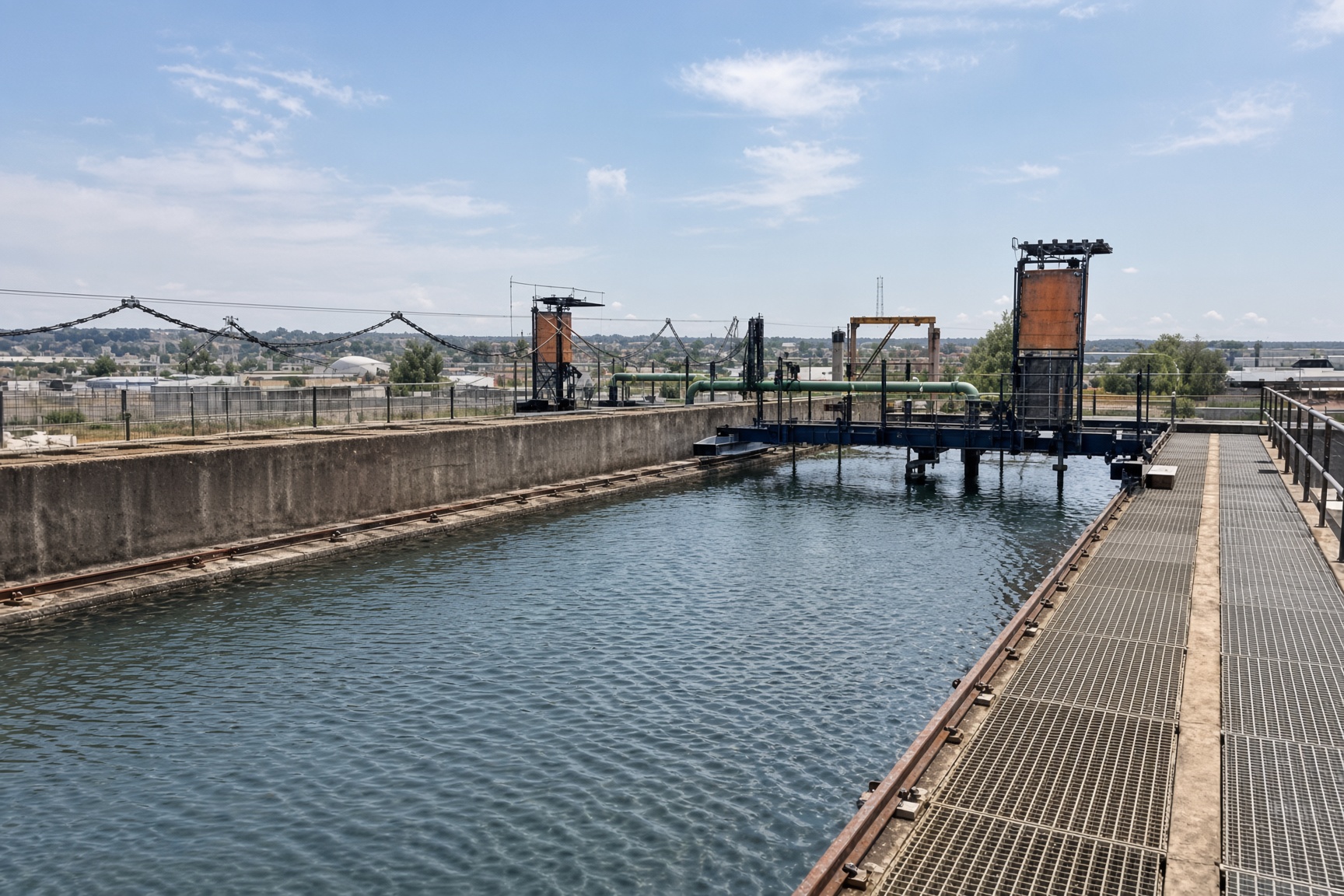
The illnesses have been linked to the Bronkhorstspruit Water Treatment Works, which reportedly ran out of chlorine, raising concerns about water contamination, including the presence of E. coli bacteria.
The affected areas include Zithobeni, Bronkhorstspruit, Dark City, Rethabiseng and Sokhulumi. Most patients are reportedly children under the age of four. No deaths have been reported.
Residents have been warned not to use tap water, including for bathing, brushing their teeth or washing.
The government held a high-level media briefing in Pretoria late on Monday, attended by Gauteng Premier Panyaza Lesufi, Health Minister Aaron Motsoaledi, Water and Sanitation Minister Pemmy Majodina, her deputies Jack Blom and David Mahlobo, Tshwane Mayor Nasiphi Moya and her deputy, Eugene Modise.
Majodina said evidence pointed to the water treatment works as the likely source of contamination.
“The fact that mixed pathogens were found in the samples and the rapid spread point to a common water supply, the likely source of this illness,” she said.
She cited water quality tests conducted by the Department of Water on 14 October, which reportedly found extremely high levels of E. coli and total coliforms in water from the treatment works and in an industrial area near the Dark City and Zithobeni reservoirs.
Despite acknowledging the more than 400 reported cases, Majodina said further testing was required before the government could formally declare an outbreak.
“Further tests are currently being conducted to confirm whether other harmful contaminants are present in the water,” she said.
She added that the National Institute for Communicable Diseases (NICD) was collecting additional specimens to strengthen the epidemiological evidence and help determine whether a formal outbreak declaration was warranted.
“At the moment, we are not declaring anything because we are still collecting samples,” Majodina said.
The reported cases remain concentrated in Pretoria East, particularly around Bronkhorstspruit, where authorities have urged residents to follow water safety advisories and avoid using tap water until it is declared safe.
Meanwhile, the City of Tshwane has faced criticism over delays in informing residents about the situation. Mayor Nasiphi Moya attributed the delayed communication to officials’ efforts to secure chlorine supplies.
Authorities have yet to announce when the affected water supplies will be declared safe for use.