



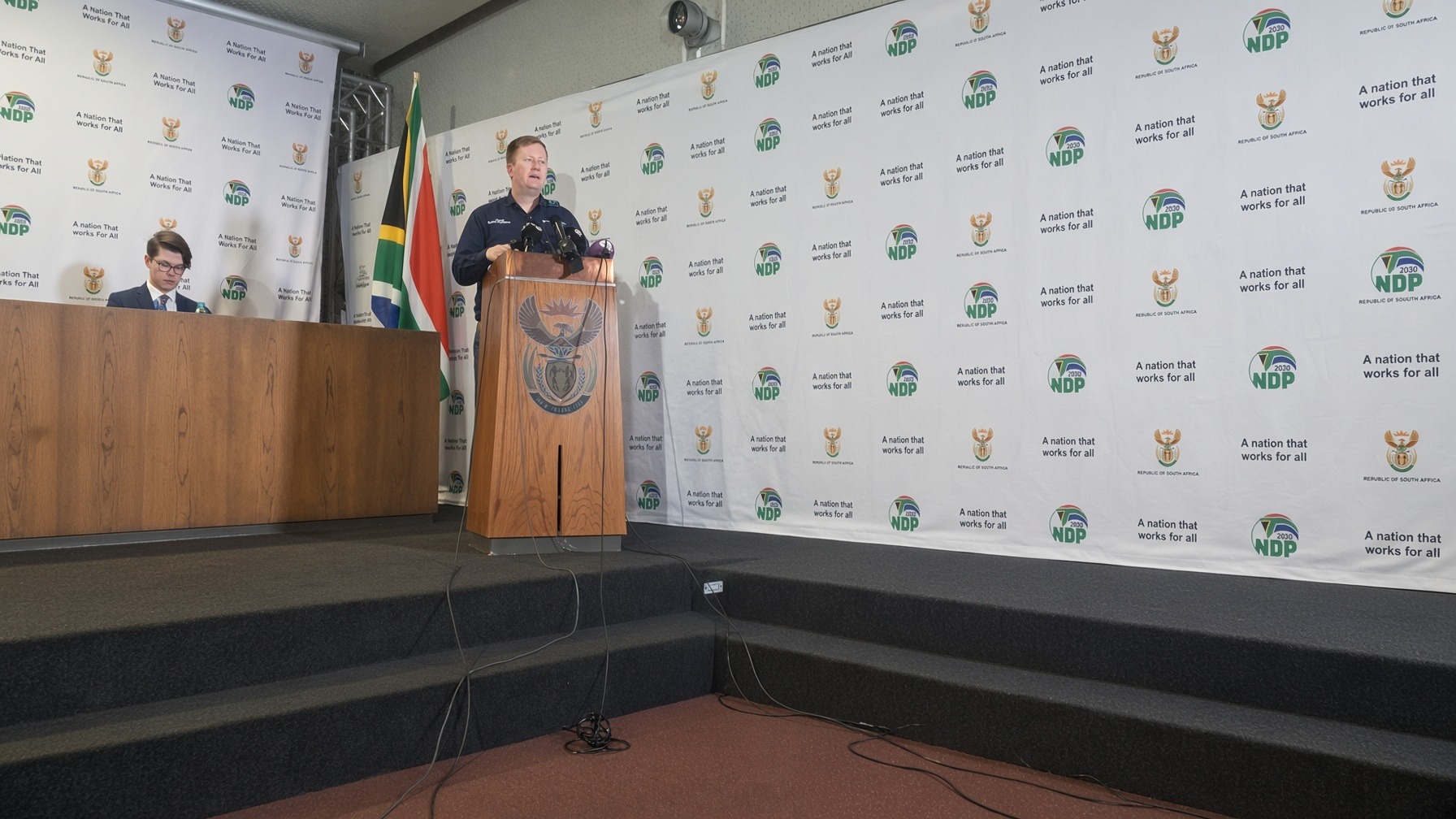
The government has vowed to continue its crackdown on non-compliant construction companies accused of misrepresenting their contractor grades, contributing to project delays and cost overruns.
The Construction Industry Development Board (CIDB) has announced the removal of 15 companies from its Register of Contractors for allegedly submitting false information to inflate their grading levels unlawfully.
The latest action brings to 65 the number of contractors barred from tendering for public projects. The Department of Public Works and Infrastructure and its agencies briefed the media in Pretoria.
Public Works and Infrastructure Minister Dean Macpherson warned that contractors who obtain government contracts through misrepresentation disadvantage legitimate businesses that meet the required standards.
He said the removals formed part of a broader accountability drive that had intensified since June 2024.
“The removals form part of a broader accountability drive that has seen more than 75 contractors removed from the register since June 2024, compared with just one contractor blacklisted between 2002 and June 2024,” Macpherson said.
The department said the latest removals followed a resolution adopted by the CIDB board on 15 October 2026.
The companies named in the information provided are:
- RTZ Construction and Projects
- Shumani Development
- Magagamela Trade and Projects
- Exxeding Grace
- Yem Yem Projects and Plant Hire
- BBM Khanye Holdings
- Lethabo Africa Engineering
- TMR Industrial Solutions
- Moriel Infrastructure Group (Pty) Ltd
- Salinkata Trading (Pty) Ltd
- King Tar Construction
- Batho Vanhu Construction
- Ithembalenkosi (Pty) Ltd
Directors of some of the affected companies are expected to be referred for possible civil and criminal proceedings.
CIDB board chairperson Khulile Nzo said the organisation had strengthened its monitoring systems to identify non-compliance more quickly.
“As part of its broader reform agenda, the CIDB is introducing an additional audit and verification layer to strengthen scrutiny of higher-risk applications and applications for higher grading designations. This includes verifying information directly with banks, public-sector clients and other relevant institutions, rather than relying solely on documentation submitted by applicants. Where fraud or forgery is established, matters will be referred to law enforcement authorities where appropriate, alongside administrative action,” Nzo said.