



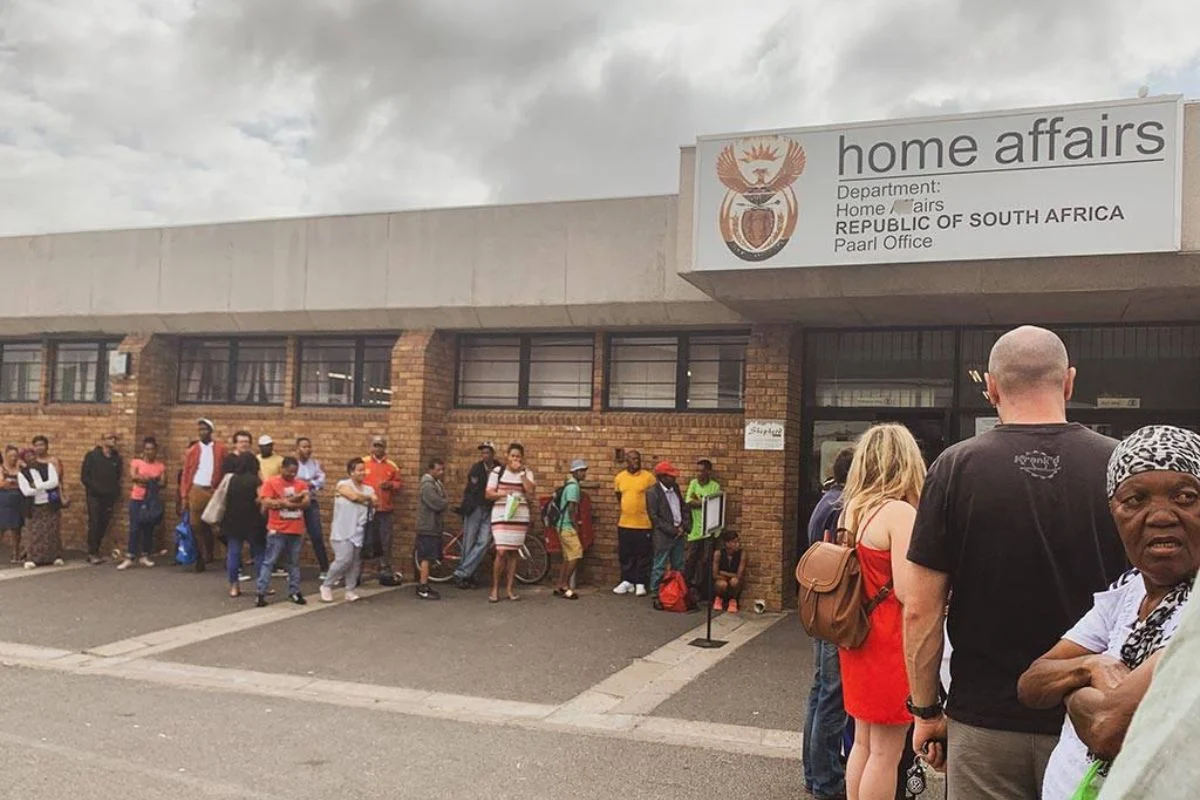
The Department of Home Affairs has expanded its Smart ID replacement service to 753 bank branches across South Africa, exceeding its target of 750 branches more than four months ahead of schedule.
Minister of Home Affairs, Dr Leon Schreiber, announced the milestone on Wednesday, 11 November 2026, marking a significant step forward in the department’s efforts to modernise identity services and make them more accessible to South Africans.
The expansion follows the launch of a digital partnership between Home Affairs and the banking sector in March 2026. As part of its broader reform programme, the department initially aimed to make Smart ID replacement services available at 750 bank branches by the end of the 2026/27 financial year.
However, just eight months after the initiative began, that target has already been surpassed.
More than one million South Africans have benefited
According to the Department of Home Affairs, more than one million South Africans have already used the service, which aims to bring essential identity services closer to communities that have historically faced barriers to accessing them.
The partnership involves four major banking institutions: Capitec, Standard Bank, FNB and Absa.
It allows South Africans to apply for a Smart ID replacement at participating bank branches without completing extensive paperwork, booking an appointment in advance or waiting in lengthy queues at Home Affairs offices.
The application process can take as little as five minutes, thanks to secure digital integration between the participating banks and the Department of Home Affairs.
Importantly, applicants do not need to hold an account with the bank they visit to access the service.
A significant increase in access to Smart ID services
Before the partnership was introduced, Smart ID replacement services were available at just 214 Home Affairs offices, alongside a limited number of bank branches operating under the previous eHomeAffairs pilot programme.
The expansion to 753 bank branches represents an increase of more than 400% in the number of access points compared with the previous 214 Home Affairs offices.
The initiative forms part of the government’s broader plan to phase out South Africa’s green barcoded identity book, which the department considers more vulnerable to fraud than the modern Smart ID card.
Minister Schreiber highlighted the department’s ability to deliver the expansion without increasing its workforce or budget.
He also noted that the initiative has come at no additional cost to taxpayers, demonstrating the potential of digital partnerships to improve public services while making more efficient use of existing resources.
Home Affairs plans further digital service expansion
With the 750-branch target already achieved, the Department of Home Affairs is preparing to introduce additional services through its banking partnerships.
The next phase is expected to include:
- First-time Smart ID applications: Enabling eligible South Africans to apply for their first Smart ID card at participating bank branches.
- Passport applications: Extending passport application services to selected banking locations.
- Home delivery services: Introducing courier delivery of Smart ID cards and passports directly to applicants’ doorsteps.
These developments are expected to make accessing essential identity and travel documents more convenient, reducing the need for people to visit traditional Home Affairs offices.
How to apply for a Smart ID at a bank
South Africans wishing to replace their Smart ID cards can visit a participating branch of Capitec, Standard Bank, FNB or Absa.
Applicants should check the Department of Home Affairs website or contact their chosen bank to confirm which branches offer the service before visiting.
The service is not restricted to existing customers of the participating banks, meaning applicants can use a convenient participating branch regardless of their banking provider.
The expansion marks an important milestone in South Africa’s digital transformation efforts, with Home Affairs continuing to move towards a more accessible, efficient and technology-driven system for delivering government services.
As further services are introduced through the banking sector, South Africans could soon have access to a wider range of identity and passport services without the inconvenience traditionally associated with visiting Home Affairs offices.