



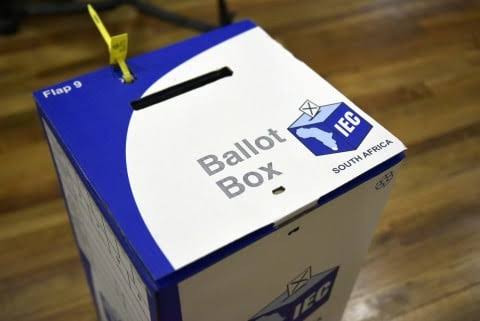
The Electoral Commission of South Africa (IEC) says the announcement of the 2026 Local Government Election results on Sunday marked only the beginning of the final phase of the electoral process, with the publication of elected councillors’ names in the Government Gazette and the first sittings of new municipal councils still to come.
In a media statement issued on Thursday, the Commission said that once the final lists have been settled, it will publish the names of councillors declared elected in the Government Gazette.
In terms of the Local Government: Municipal Structures Act, municipal managers must convene the first meeting of their respective councils within 14 days after councillors have been declared elected.
“Those inaugural sittings will elect mayors, speakers and other office-bearers, and formally constitute the new councils,” said the IEC.
The Commission said some political parties had won more seats than the number of candidates they had nominated. It has since called on the affected parties to supplement their candidate lists, while emphasising that this is not an opportunity to change or replace candidates.
On Monday, 9 November 2026, the Commission formally notified the affected parties in writing of the shortfall. They were given until Wednesday, 11 November 2026, at 17:00 to supplement their lists.
“This is not an opportunity to change lists or replace candidates — only to fill the shortfall. Parties may only change or replace nominated candidates a day after the date of the first sitting of the council,” the IEC said.
The Commission warned that parties that failed to supplement their lists risked forfeiting seats if the shortfall made it impossible for the municipal council to meet the required quorum.
The IEC also had to notify political parties about candidates who stood to be allocated more than one seat.
In such cases, the relevant party must choose which seat the candidate should be designated to. The same rule applies to independent candidates who qualify for more than one ward seat.
If a political party or independent candidate fails to make this election, the candidate’s name must be removed from the list.
Where the deleted name belongs to a candidate who was due to be designated to a ward seat, the vacancy will result in a by-election.
The Commission also confirmed that four ward contests ended in ties and were consequently decided by lot, as provided for in the Municipal Structures Act. These were:
- Ward 7, Mnquma Municipality – Eastern Cape.
- Ward 14, Maluti-a-Phofung Municipality – Free State.
- Ward 5, Ba-Phalaborwa Municipality – Limpopo.
- Ward 17, Steve Tshwete Municipality – Mpumalanga.
A total of 10,526 seats were available in the 2026 Local Government Elections. These comprise:
- 8,825 local council seats: 4,485 ward seats and 4,340 proportional representation (PR) seats.
- 1,701 district council seats: 707 directly elected and 994 indirectly elected councillors.
The Commission said the constitution of district councils was another key outstanding process.
Of the 1,701 district council seats, 707 (40%) have already been filled through the district proportional representation ballot.
The remaining 994 seats (60%) will be filled through the election of local council representatives to district councils. This means local councillors will elect representatives from among themselves to serve on their respective district councils.
The Commission has urged elected representatives and political parties to closely monitor the remaining electoral processes and adhere to the prescribed deadlines to ensure the timely constitution of the new municipal councils.