



Africa is building momentum. Trade is growing, transport corridors are strengthening, and partnerships across the continent are creating new opportunities for the faster, safer and greener movement of goods.
Next week, that momentum will come together in Johannesburg.
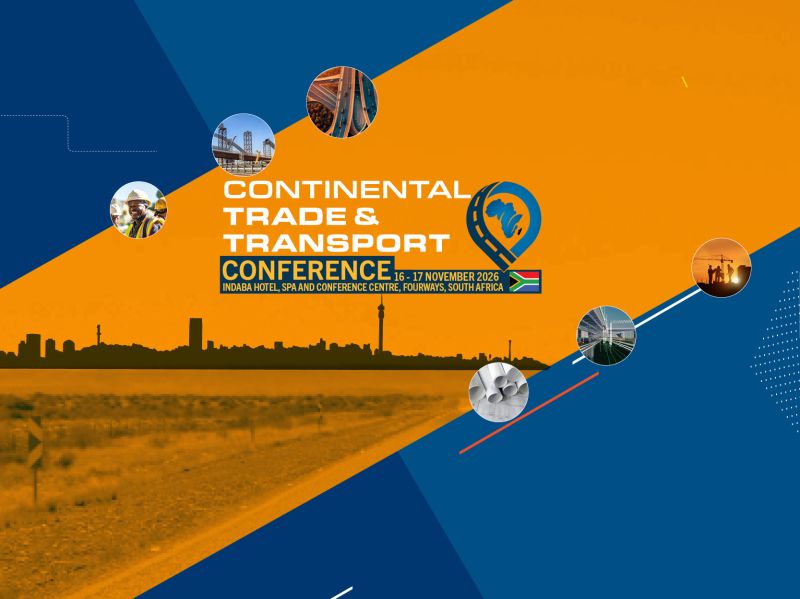
The 2026 Continental Trade and Transport Conference, hosted by the Cross-Border Road Transport Agency (C-BRTA) and led by Transport Minister Barbara Creecy, will bring together chief executives, regulators, financiers and trade experts from across the continent to share progress, strengthen partnerships and accelerate the implementation of the African Continental Free Trade Area (AfCFTA).
South Africa’s Transport Minister, Barbara Creecy, is scheduled to deliver the keynote address, outlining the government’s vision for a connected and competitive continent where goods move faster, borders operate more efficiently and trade creates jobs.
The conference will be hosted by C-BRTA chief executive Lwazi Mboyi, with participants expected from East, West and Southern Africa.
For decades, trading within Africa has been slower and more expensive than trading with the rest of the world. Trucks delayed at border posts, fragmented regulations and poor corridor coordination have cost businesses valuable time and money, while limiting the continent’s economic potential and job creation.
The AfCFTA seeks to address these challenges by creating a single African market of approximately 1.4 billion people. However, a trade agreement can only deliver meaningful results if trucks, trains, ports and border posts can move goods efficiently across national boundaries.
That is the central focus of the conference: turning the AfCFTA from policy into practical action.
According to the organisers, the high-level meeting will focus on several key areas, including:
- Corridor efficiency: Reducing border delays, harmonising permits and improving the efficiency of major transport routes, including the North-South, Maputo and Dar es Salaam corridors.
- Safer and greener transport: Improving road safety and driver welfare while supporting the transition towards cleaner and more efficient freight operations.
- Finance and investment: Unlocking funding for cross-border infrastructure, logistics hubs and digital transport systems.
- Digital borders: Expanding the use of one-stop border posts, electronic permits and data-sharing systems between countries.
The conference is expected to attract chief executives from logistics and transport companies, ministers and deputy ministers from across the continent, regulators, development finance institutions and trade experts from East, West and Southern Africa.
The gathering also places South Africa, and Johannesburg in particular, at the centre of discussions on the future of African trade and transport connectivity.
Conference organisers say the deliberations are expected to produce practical proposals and agreed actions for stakeholders, aimed at making trade cheaper, faster and safer across the continent.
The broader ambition is to make it easier for a business in Johannesburg to trade with a partner in Nairobi, Lagos, Lusaka or Cairo than to trade with a business outside Africa.
The 2026 Continental Trade and Transport Conference is expected to provide a platform for turning that ambition into concrete commitments and action.