



Mass shootings in Gauteng are no longer random acts of violence but are increasingly being driven by three interconnected criminal economies: drug-related turf wars, illegal mining disputes and extortion rackets.
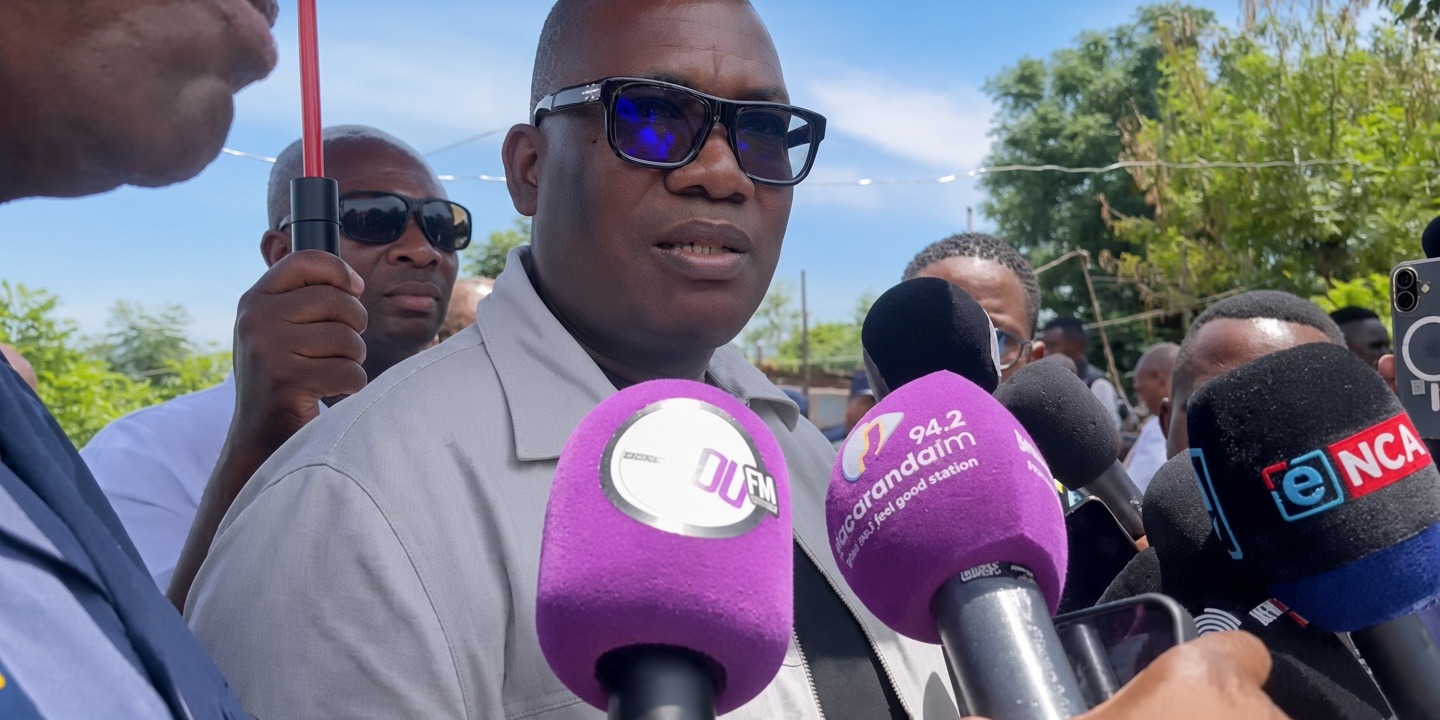
Gauteng Premier Panyaza Lesufi made the observation during a visit to Jeffsville informal settlement in Atteridgeville, where nine people were shot dead overnight.
He said the province was facing territorial battles taking several forms, including rival groups fighting for control of drug markets and territories, criminals demanding protection money from businesses, taxi operators and communities, and groups demanding what they refer to as a 30% cut from construction and other development projects.
“These three areas are contributing to mass shootings within the province,” said Lesufi.
The Premier expressed confidence that the joint anti-crime programme, involving municipalities, provincial police and the South African Police Service (SAPS), was helping to turn the tide against crime.
“There is no way a small municipality or the provincial police alone can respond to this. You need intergovernmental relations. You need all of us to pool our resources,” he said.
Lesufi also welcomed what he described as a growing willingness within the provincial police to embrace technology in the fight against crime.
“I’m excited that finally the PC can now speak the language of technology. That’s where we’ve been pushing, saying you can’t fight these crimes with old methods,” he said.
He said police needed to make greater use of satellite technology, CCTV cameras and tracking systems to monitor people’s movements and establish the whereabouts of suspects.
“You need technology. You need to use satellites and the investment we have made in CCTV cameras. You need to monitor the movement of people, ensure that we know where they are and that we can track them,” said Lesufi.
He pointed to the breakthrough in the Potchefstroom Wadela case as an example of how technology could assist police investigations.
“The breakthrough that was made in Potchefstroom in relation to the Wadela case was through the use of technology. It’s not cheap, but it’s very important,” he said.
Lesufi said the scale of violence had grown beyond what any single municipality or provincial police service could tackle alone, calling for greater collaboration between government structures.
He said national, provincial and local government needed to work together by pooling resources, sharing intelligence and making better use of technology.
Without a coordinated response, he warned, communities would continue to live in fear of further mass shootings, despite the causes of the violence being increasingly identifiable.