
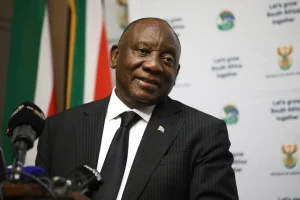



The Basic Education Laws Amendment (BELA) Act has officially been enacted following President Cyril Ramaphosa’s endorsement of its implementation yesterday, triggering robust debate across South Africa’s political and civil landscape. This landmark education legislation, which has been in the spotlight since its signing into law in September, particularly divided opinions within the government of national unity (GNU). Notably, the Democratic Alliance (DA) and various non-governmental organisations (NGOs) have expressed considerable concern regarding its provisions.
DA federal chairperson Helen Zille has voiced strong reservations about clauses 4 and 5 of the Act, labelling them “unnecessary.” She suggested these clauses form part of an underhanded agenda aimed at undermining the Afrikaans language. The contentious clauses, initially delayed for further consultation, have raised alarms among those who are wary of their potential implications.
Clause 4 modifies sections of the South African Schools Act (SASA). This change allows for earlier enrolment of children in Grade R, albeit under specific conditions. However, in instances where schools face capacity constraints, priority for admission must be given to children who are of compulsory school age. Additionally, public school governing bodies are now required to submit their admission policies to the Head of Department for approval, shifting more power over local school operations to the provincial authorities.
Clause 5 mandates that governing bodies must seek the Head of Department’s approval for their public school language policies and any amendments. This provision has raised eyebrows among those advocating for the preservation of mother-tongue education and local autonomy in school governance.
In response to the backlash, President Ramaphosa has charged Basic Education Minister Siviwe Gwarube with the responsibility of ensuring that the Act is fully implemented. Ramaphosa underscored the need for the educational system to be thoroughly prepared for universal Grade R access and the establishment of resulting regulations that would set norms and standards in the sector.
As Ramaphosa outlined, “I have instructed the Minister to do what is necessary, as is customary with any law, to ensure that the time frame of implementation is adhered to.” This approach suggests a commitment to a structured rollout of these significant changes, while maintaining adherence to existing constitutional rights.
In a display of confidence amid the controversy, DA leader John Steenhuisen remarked that the outcome of the negotiations within the Clearing House Mechanism had succeeded in avoiding any infringement on current rights concerning mother-tongue education. He expressed optimism about Minister Gwarube’s capacity to establish clear regulations and norms that would protect school autonomy from any perceived overreach, particularly concerning the debated sections of the Act.
Steenhuisen noted, “This has been a gruelling process, but this outcome has illustrated that the conflict resolutions of the GNU can work if parties show the necessary goodwill.” His comments underscored the collaborative spirit witnessed during the discussions that brought about this conclusion.
With the emphasis now increasingly on the effective implementation of this pivotal legislation, all eyes will be on the Minister’s forthcoming guidelines. The decisions made in this critical phase are poised to shape the educational framework and policies in South Africa for years to come.


