





BRICS Trade Ministers met recently to identify a common set of actions to address the rapid changes in the world including climate change, the pace of technological transformation and the vast demographic shifts taking place within and between nations.
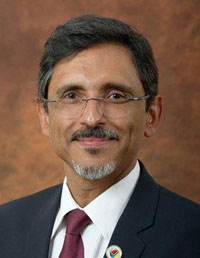
South Africa’s Trade, Industry and Competition Minister Ibrahim Patel said the ministers agreed on the need to promote the rules-based global trading system, and to keep channels of investment and technology partnerships open.
“We agreed that measures on climate-change should be actively pursued and at the same time we should caution against unilateral measures and green protectionism. We committed to support efforts on African industrialisation and support for micro, small and medium enterprises.
“Trade Ministers recognised the vital role of the private sector. I therefore welcome members of the BRICS business community to the Big 5 activities: the Industrial Exhibition, Sector Dialogue Sessions, the Manufacturing Forum, the BRICS Business Forum and the bilateral meetings between rms”.
The business delegations included representatives from outside the BRICS member states – with a particularly large presence by businesses from other African countries.
African industrialisation featured large in many of the discussions that will be taking
place, supported by commercially-viable inward investment from BRICS-based rms.
South Africa as the only African nation within the current BRICS bloc has been an ardent advocate for the broader interests of the entire African continent in its interactions with its BRICS counterparts.
Key focal areas of engagement have centered on enhancing economic cooperation
with BRIC nations, pioneering a novel development funding model aimed at supporting Africa’s infrastructure, and advocating for a united stance on global concerns such as climate change and terrorism.
South Africa’s advocacy of vaccine manufacturing capacity on the continent stems from Africa’s vulnerability, a stark revelation illuminated by the challenges posed during the Covid-19 pandemic.
Empowered by a robust BRICS partnership, notably with India, South Africa succeeded in negotiating adjustments to the Trade-related Intellectual Property Treaty of the World Trade Organisation, which has helped in the establishment of Africa’s first vaccine manufacturing facilities.
Below are further details of the BRICS-Africa relationship:
• Economic Cooperation: BRICS countries have sought to enhance economic cooperation with African nations through trade, investment,
and infrastructure development. They have expressed interest in supporting African countries’ industrialization, infrastructure projects, and sustainable development.
• Development Funding: The BRICS New Development Bank (NDB) was established to provide financial assistance to emerging economies for infrastructure and sustainable development projects. The NDB has shown interest in financing projects in African countries, supporting their development efforts.
• Political Engagement: BRICS countries have engaged with African nations on various global platforms to address common challenges, such as climate change, action against terrorism, and international governance reform. They have advocated for a more equitable global order that represents the interests of emerging economies and developing nations.
• Healthcare and Pandemic Preparedness: BRICS countries, along with other international organizations, have worked with African nations to address healthcare challenges, including providing medical supplies and support during public health crises like the Ebola outbreak and COVID-19 pandemic.
• Human Capital Development: Some BRICS countries have offered scholarships and educational opportunities to students from African nations to enhance human capital development and foster people-to-people exchanges.
• Infrastructure Investment: BRICS countries have shown interest in investing in African infrastructure projects, such as transportation, energy, and telecommunications, to help boost economic growth and regional connectivity.
• South-South Cooperation: The BRICS-Africa relationship is often seen as an example of South-South cooperation, where countries with similar economic and development trajectories collaborate to share experiences and resources.


