


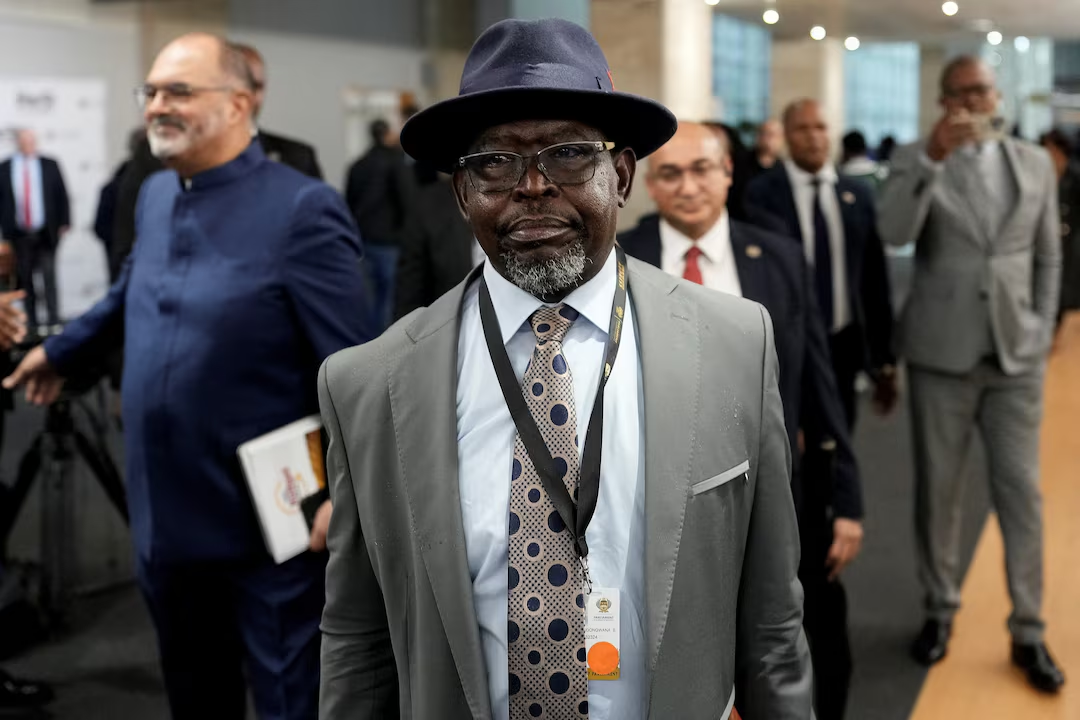
Only minor adjustments were made to South Africa’s spending plans and deficit projections in a third budget presented on Wednesday that was overshadowed by a meeting between President Cyril Ramaphosa and U.S. President Donald Trump later in the day. Finance Minister Enoch Godongwana had to appear before lawmakers in Cape Town for a third time after disagreements in the ruling coalition derailed two previous budget versions.
The new budget, which the DA said it should be able to support, projected a consolidated budget deficit of 4.8% of gross domestic product (GDP) in the fiscal year that started on April 1, wider than the deficit of 4.6% of GDP seen in the previous version in March.
Gross debt is seen stabilising at 77.4% of GDP in the 2025/26 fiscal year, higher than the 76.2% of GDP projected before.
Medium-term revenue estimates were revised down by 61.9 billion rand ($3.5 billion) while consolidated spending was lowered by 69.4 billion rand.
One element missing from the budget was an announcement of a lower inflation target, which traders had speculated would come after comments by a deputy finance minister at an investment conference last week.Deputy central bank governor Fundi Tshazibana told reporters that policymakers were not yet ready to change the inflation target from a range of 3%-6% but that there was broad consensus the current target was too broad and out of line with South Africa’s trading partners.
Key takeaways from Godongwana’s speech
- Key Documents: The Minister tabled several important documents including the 2025 Division of Revenue Bill, 2025 Appropriation Bill, and the 2025 Budget Review, which serve as foundations for the country’s fiscal approach.
- Sustainability: Despite debates surrounding a proposed increase in Value Added Tax (VAT), the Minister confirmed that the VAT will remain at 15%, indicating the government’s commitment to fiscal sustainability while addressing developmental goals.
- Non-Interest Expenditure Growth: The budget outlines an average increase of 5.4%in non-interest expenditure over the next three years, including a focus on the social wage to ensure spending addresses the needs of the population.
- Economic Outlook: Global economic challenges, including increased trade tensions and inflation concerns, are anticipated to impact South Africa’s growth, with real GDP projected to grow at 1.4% in 2025, lower than earlier estimates.
- Inclusive Growth: The budget framework emphasizes four pillars for fostering investment: maintaining macroeconomic stability, implementing structural reforms, enhancing state capacity, and accelerating infrastructure investment.
- Fiscal Strategy & Debt Management: Strategies in place aim to stabilise debt at 77.4% of GDP while reducing the main budget deficit, which should yield a growing primary surplus to facilitate lower borrowing costs over time.
- Reforms: The budget reiterates commitment to ongoing structural reforms across various sectors including energy, water, and logistics, aiming to clear economic bottlenecks and stimulate growth.
- Tax Revenue: With projections revised down by R61.9 billion, the government announced only an inflation-linked increase in the general fuel levy as a new tax proposal, taking measures to enhance revenue collection without increasing VAT.
- Priorities and Targets: The budget maintains allocations aimed at addressing public service needs, including education and healthcare, with specific funding increases to improve resources for frontline services.
- Infrastructure Investment: Over R1 trillion is allocated for infrastructure projects, focusing on improving transportation, energy, and water systems, which are crucial for stimulating economic growth and providing essential services.
- Efforts Against Corruption: The budget stresses the government’s ongoing commitment to tackling corruption, with an emphasis on accountability and efficient use of public funds, including measures by the National Prosecuting Authority. Reuters