


The DA-led coalition government of financially distressed City of Tshwane has denied opposition claims that it is serving affluent areas while neglecting poor black communities.
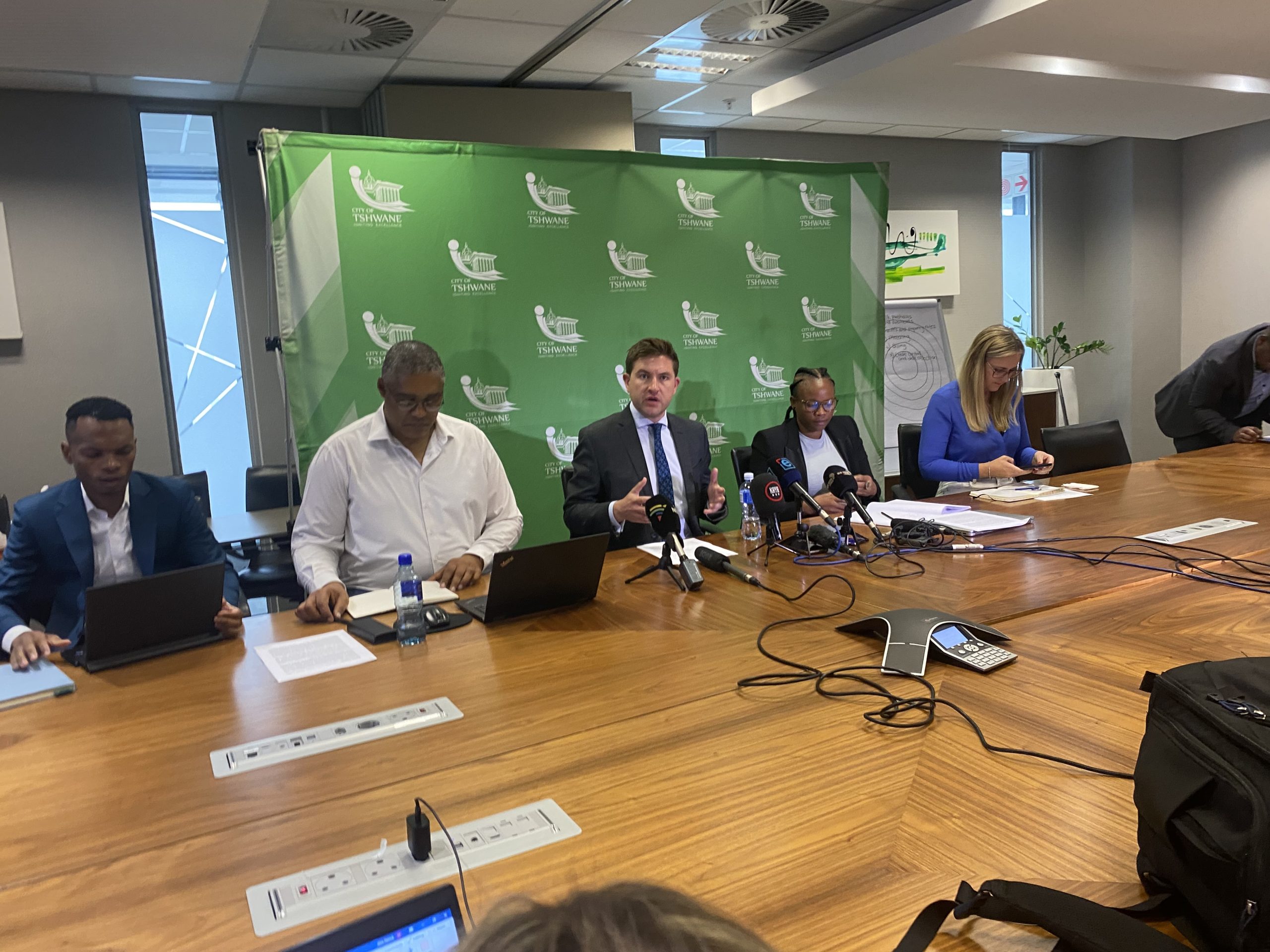
Mayor Celliers Brink briefed the media alongside other members of his executive on Monday and argued it is actually the affluent areas that are underserviced.
Brink said a large chunk of the municipality’s resources are spent in poor areas and or on projects that are benefiting mostly the poor.
“The biggest and most significant capital project are for the benefit of the poor. Not just in poor areas, pipe replacements, refurbishment of Roowal, refurbishing of serwage connections but even if you look at what we doing with BRT, the BRT line that is connecting the poor to places of work.
“So there’s no doubt in my mind that as far as capital spending, that very important future indicator whether services are improving or not, we spend a vast majority in the poorest areas of our city,” said Brink.
Brink said the capital’s wealthy residents are currently subsidising the poor and have shown signs of unhappiness when services came to a complete halt during the protracted labour strike.
“The rate of cross subsidisation of wealthy residents to poor residents is very very high. What often happens is that because folks who are better off do things for themselves, they do their own grass cutting, they do their own maintenance of roadways, they live in estates, they can afford their own security. It creates the impression that government is delivering there while in fact to a large extent those communities are more and more self dependent, that’s also a danger because you have to maintain that service if you want to cross-subsidise. So I would say that that is a wrong impression but obviously an election year that is the type of accusations that would be made,” he said.
Brink said the municipality has a plan of improving management of its finances in order to get out of debt and be in a sound position.
“What we have in cash is a R 23.3 billion debtors book. If we can only collect a quarter of that in the next six months that will buy us time to fix the other longer term issues including tariffs, property rates and so on,” he said.