


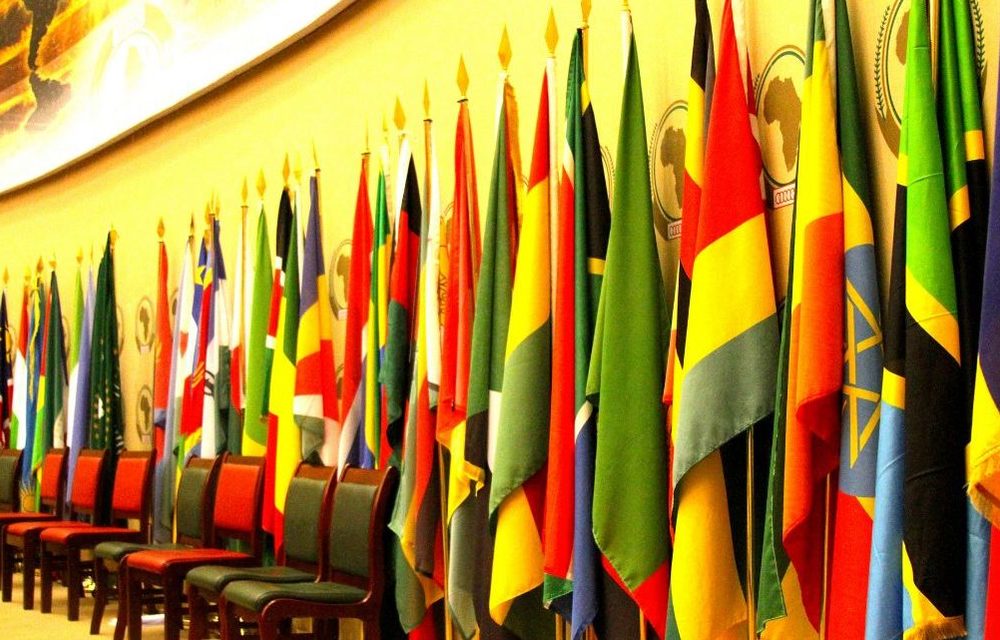
Today marks a significant milestone as Africa commemorates Africa Day, the 62nd anniversary of the founding of the Organisation of African Unity, which later evolved into the African Union. Across the vast continent and its diaspora, people are celebrating their shared identity while honouring the rich tapestry of cultural diversity that defines Africa.
Among the celebrations, participants from various nations have gathered to express what it means to be proudly African. Their voices resonate with pride and cultural significance, shedding light on the distinctive elements that forge a common identity amidst diversity.
Nigerian-born Fidelis Kalu, reflecting on his heritage, points to the significance of physical attributes and distinctive fashion as markers of African identity. “What makes me an African, I think first is my skin, my skin colour. You can tell from any part of the world that this is an African man based on the skin colour and also our uniqueness when it comes to fashion,” Kalu explains. His statement encapsulates a sense of belonging that is deeply rooted in the physical and cultural history shared among Africans.
On a similar note, “Mama Benton” Katende from the Democratic Republic of Congo underscores the essence of pan-African unity through food. “They can eat African food, Nigerian; Congolese; South African; Zimbabwean; Moroccan, all of us are African people,” she stated. Food emerges as a powerful unifying force, bridging the gaps between nations and cultures, and fostering camaraderie among the varied African peoples.
The festivities today are vibrant showcases of traditional dress, where attendees proudly display their native garments, symbolising their rich cultural heritage. Communal meals feature a plethora of dishes that represent the continent’s culinary diversity, while cultural performances highlight Africa’s motto: “One Africa, One Voice.”
As the sun sets on this special day, the spirit of unity, resilience, and pride permeates through the celebrations, reminding all of the enduring connection inherent in the African identity. While the celebration marks a significant historical event, it also serves as a call to continue fostering unity across the continent, championing the diversity that enriches the African experience.