




A fierce debate has ignited within Cape Town’s minstrel community over a proposed rerouting of the annual Kaapse Klopse (Cape Minstrel Carnival) parade, traditionally held on Tweede Nuwe Jaar. The Economic Freedom Fighters (EFF) have joined critics in condemning the plan, accusing the DA-led City of Cape Town and the Kaapse Klopse Karnival Association (KKKA) of commercialising a cherished cultural heritage event without proper consultation.
The KKKA has applied to shift the 2026 parade – scheduled for Monday, 5 January – from its historic path through the city centre, including areas like District Six and Bo-Kaap, to a new route starting in Lower Chiappini Street, along Somerset Road (the Fan Walk), and concluding inside DHL Stadium in Green Point.
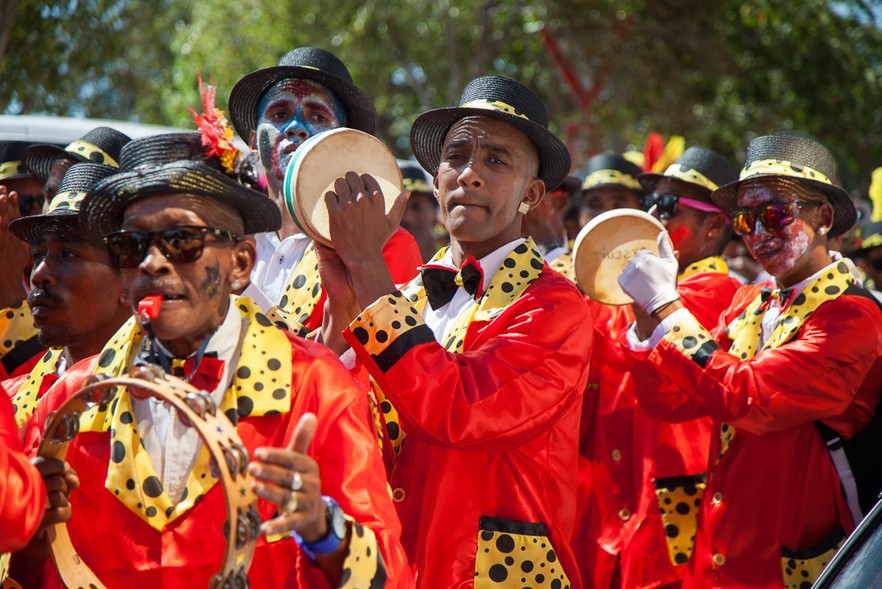
Traditional performers in vibrant costumes marching through Cape Town’s streets, a hallmark of the Kaapse Klopse.
The EFF, aligning with the rival Cape Town Minstrel Carnival Association (CTMCA) and community leaders, argues that the change severs the carnival’s deep ties to sites of historical significance, including slavery, apartheid-era forced removals, and cultural resistance in neighbourhoods like Bo-Kaap and District Six.
Critics also decry the lack of consultation and highlight potential ticket fees (R60–R100) for stadium competitions, claiming it prices out working-class communities that have sustained the tradition for over a century.
The KKKA defends the proposal, citing escalating costs, safety concerns, and long-term sustainability for troupes. Director Muneeb Gambeno emphasises that the Green Point route – previously used, including in 2014 – honours overlooked historical aspects of the carnival while accommodating the shifting Islamic lunar calendar to avoid overlapping with Ramadan. The street parade remains free to the public, with paid stadium access optional for competitions in a world-class venue.
The City of Cape Town confirms it is reviewing the KKKA’s application, with final logistics pending. No official approval has been granted as of late December 2025.
The over-140-year-old carnival, rooted in the emancipation celebrations of formerly enslaved people, attracts tens of thousands of performers and spectators annually. This dispute underscores broader tensions between preserving free-access traditions and adapting to modern financial and logistical realities.


