


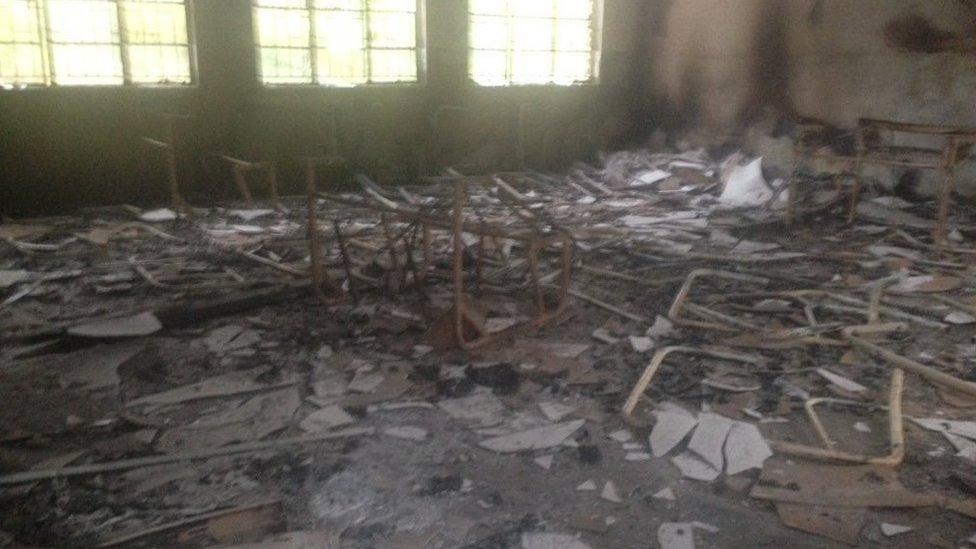
The Department of Basic Education finds itself in the crosshairs of criticism as ongoing failures to address the deteriorating infrastructure in public schools become glaringly apparent. This escalating concern was highlighted during a recent presentation to the Portfolio Committee on Basic Education in Parliament, where officials provided an unsettling update on the state of school facilities across South Africa.
According to the department’s report, a staggering 390 schools nationwide are classified as being in very poor condition. Alarmingly, 220 of these troubled institutions are located in the Eastern Cape—an area that has already faced numerous calamities due to infrastructure inadequacies.
Itumeleng Motlhabane, Deputy Secretary-General of Equal Education, emphasised that the challenges facing these schools go beyond mere issues of sanitation. “A lot of schools are in dilapidated classrooms that are struggling with roofs,” he explained. “In the Eastern Cape, we’ve had disasters, and there are many schools that have come before the department looking for emergency funds.” His remarks highlight a pervasive crisis that threatens not only the comfort of students but also their safety and quality of education.
The statistics paint a shocking picture, but the human stories behind these numbers are what truly underline the urgency of the situation. Students are learning in environments that are not only conducive to academic success but also detrimental to their physical well-being. Leaking roofs, crumbling walls, and inadequate sanitation are emblematic of a system that appears to be paying lip service to educational reform.
Calls for immediate action have intensified as stakeholders from various sectors urge the Department of Basic Education to take meaningful and swift measures to remedy this dire situation. Motlhabane’s poignant observations serve as a rallying cry for social justice advocates, parents, and educators alike who are increasingly frustrated with the lack of proactive initiatives to bolster school infrastructure.
As criticisms mount and public pressure increases, the need for accountability and sustained investment in the educational sector could not be clearer. Every day that passes without significant improvements is a day that students, particularly in the Eastern Cape, are deprived of the safe and supportive learning environments they deserve.