


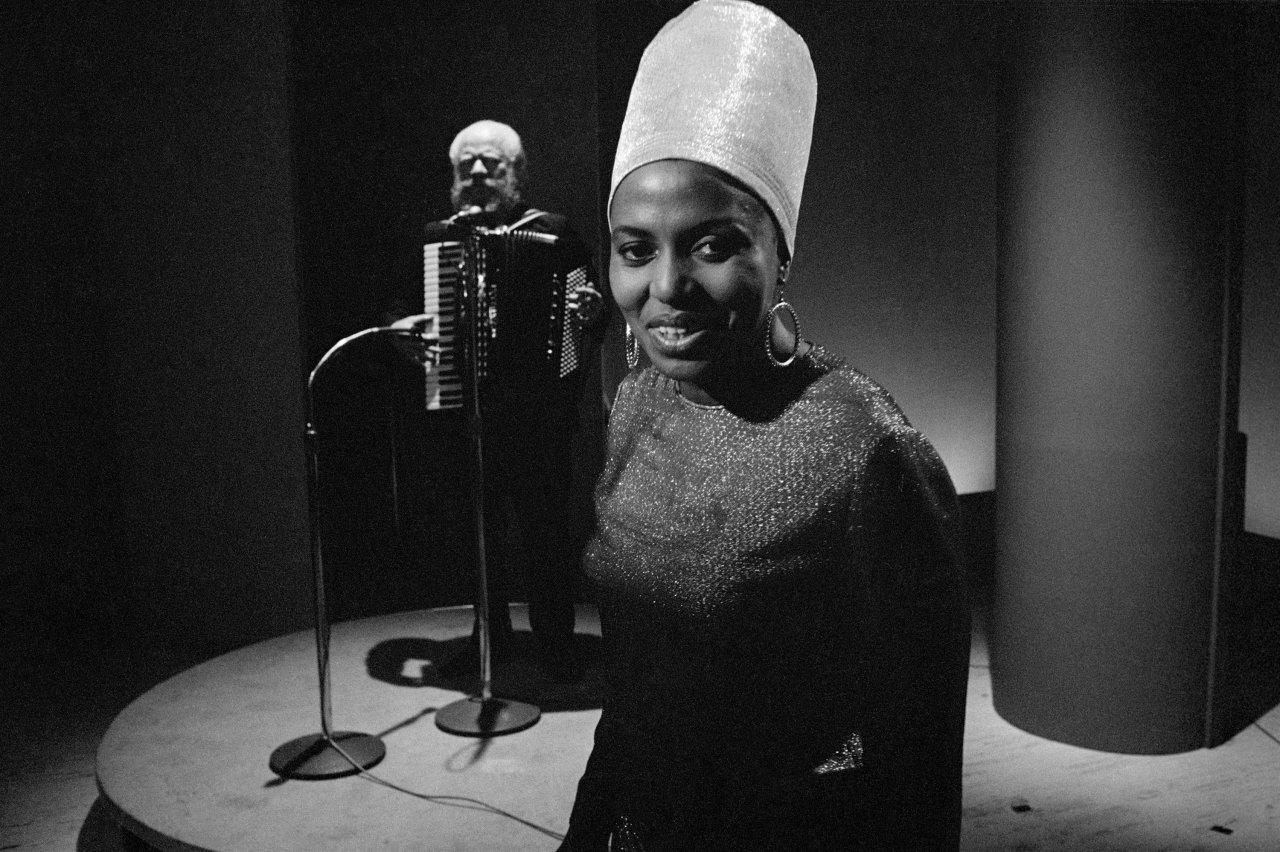
The University of South Africa (Unisa) will hold the first Dr Miriam Makeba Memorial Lecture on Sunday, 23 April 2023 at Unisa Muckleneuk Campus in Tshwane.
Organised by the Thabo Mbeki African School of Public and International Affairs (TM School) and the Miriam Makeba Foundation (MMF), this historical event is intended to celebrate the life and immeasurable contribution of a change agent, a Pan Africanist icon, a singer and struggle heroine who used the power of music on the global stage to fight against colonialism, injustice, oppression and apartheid.
Deservedly called “Mama Africa”, Makeba epitomized the notion of cultural diplomacy in terms of playing a huge role in bringing the various nations of the continent and the world together in the quest for social justice and common good, said the foundation in a statement.
The Lecture is to be delivered by Dr Nkosazana Dlamini-Zuma, Minister in the Presidency responsible for Women, Youth and Persons with Disabilities.
This year marks 15 years since the passing of Mama Makeba on 10 November 2008 in Italy. She would have been 91-years had she been alive today.
The inaugural lecture is presented against the backdrop of the 60th anniversary of her iconic speech delivered at the 18th Meeting of the Committee of the United Nations General Assembly on Apartheid Policies held on 16 July 1963.
It is also presented in the year Unisa celebrates 150 years of existence (1873-2023). The university conferred an honorary doctorate (PhD honoris causa) on Mama Miriam Makeba in 2002, and further honoured her by renaming its refurbished concert hall the Dr Miriam Makeba Concert Hall on its main campus in Pretoria, Tshwane in 2009.
Former President Thabo Mbeki named her South Africa’s Goodwill Ambassador for Africa, which was a befitting assignment for this humanitarian who, in her own right, was a cultural diplomat.
As an ambassador, she served under the Ministry of Foreign Affairs (now DIRCO) led by Minister Dr Nkosazana Dlamini-Zuma at the time.
Makeba’s brave act of speaking against the apartheid regime and pleading with the leaders of the world “to save the lives of our leaders, to empty the prisons of all those who would never have been there” was self-sacrificial.
After this speech, the Apartheid regime predictably revoked her citizenship and thus her life of exile continued until her return to her motherland in 1990 when all political organisations and political leaders were unbanned.