




In a dramatic turn of events that resonates with echoes of political discontent, the Economic Freedom Fighters (EFF) have ramped up their stance against President Cyril Ramaphosa, warning that the investigation into the infamous Phala Phala farm theft must not lose momentum. The party argues that failing to hold the president accountable for alleged corruption undermines South Africa’s democratic integrity.
The scandal originally came to light when former intelligence head Arthur Fraser disclosed that a staggering $4 million (approximately R60 million) was reported stolen from Ramaphosa’s game farm, located in the picturesque Lephalale, Limpopo. Although President Ramaphosa has acknowledged that the theft occurred, he vehemently disputes Fraser’s figure, claiming the actual sum is significantly lower. This discrepancy has not only increased public speculation but also fuelled ongoing tensions within the political sphere.
In response to the unfolding situation, Parliament constituted a committee led by retired Justice Sandile Ngcobo. Their findings indicated that there was indeed a case for the president to answer. However, in a move that sparked outrage among opposition parties, Parliament subsequently voted against adopting the panel’s recommendations, prompting the EFF and the African Transformation Movement to initiate legal proceedings.
“Phala Phala is not going to die, and it is us who have to keep it alive. President Ramaphosa is corrupt and has to be held accountable,” shouted EFF leader Julius Malema to a riled crowd of supporters gathered at Marry Fitzgerald Square in Johannesburg. The passionate protest culminated in a march to the Constitutional Court, where their demands for accountability grew louder and clearer.
Legal experts point out that South African law strictly prohibits the president from engaging in outside work that benefits him commercially. This law is at the heart of the scrutiny faced by Ramaphosa. The Public Protector, Advocate Kholeka Gcaleka, recently released a report deeming Ramaphosa cleared of wrongdoing; however, critics argue the report is dubious and set for judicial review.
Adding further intrigue to the narrative, the National Prosecuting Authority (NPA) has controversially accepted Ramaphosa’s account of events, stating that there is no viable case against him. This decision has drawn ire, particularly as questions have arisen regarding Hazim Mustapha, the Sudanese businessman who allegedly purchased buffalo from Ramaphosa’s farm. Mustapha’s conflicting statements regarding the transaction, combined with his failure to explain why he has yet to retrieve the animals, raise additional suspicions surrounding the saga.
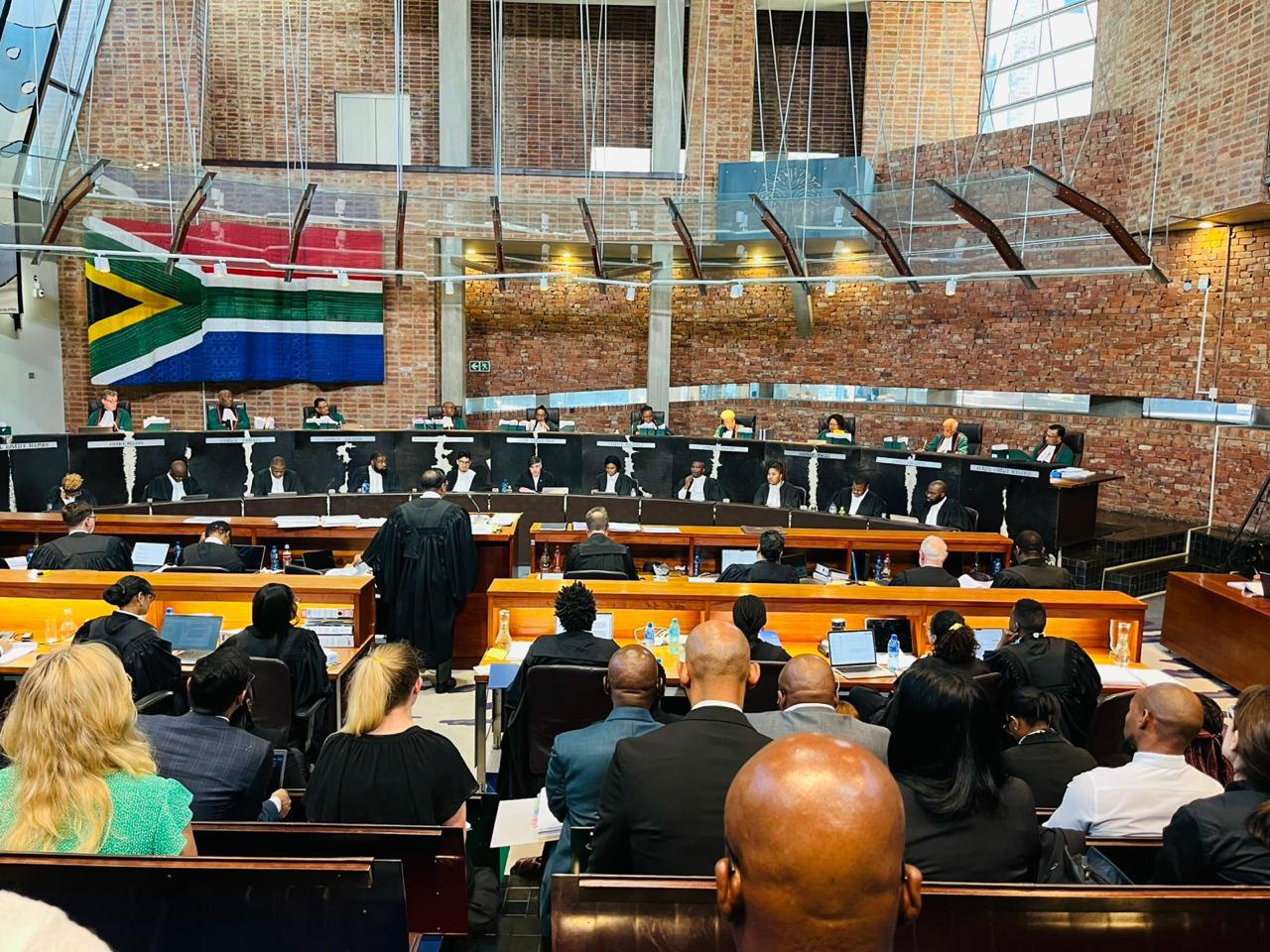
As the situation unfolds, a full bench of the Constitutional Court is deliberating on the matter, with the outcome set to have significant implications for both Ramaphosa’s presidency and South Africa’s political landscape.


