


A coalition of non-governmental organisations (NGOs) in Eswatini has mounted a legal challenge against the government over its acceptance of five men deported from the United States, citing serious concerns over constitutional violations and human rights abuses. This move comes in the wake of a controversy that has raised questions about the country’s role in the complex global issue of immigration and deportation.
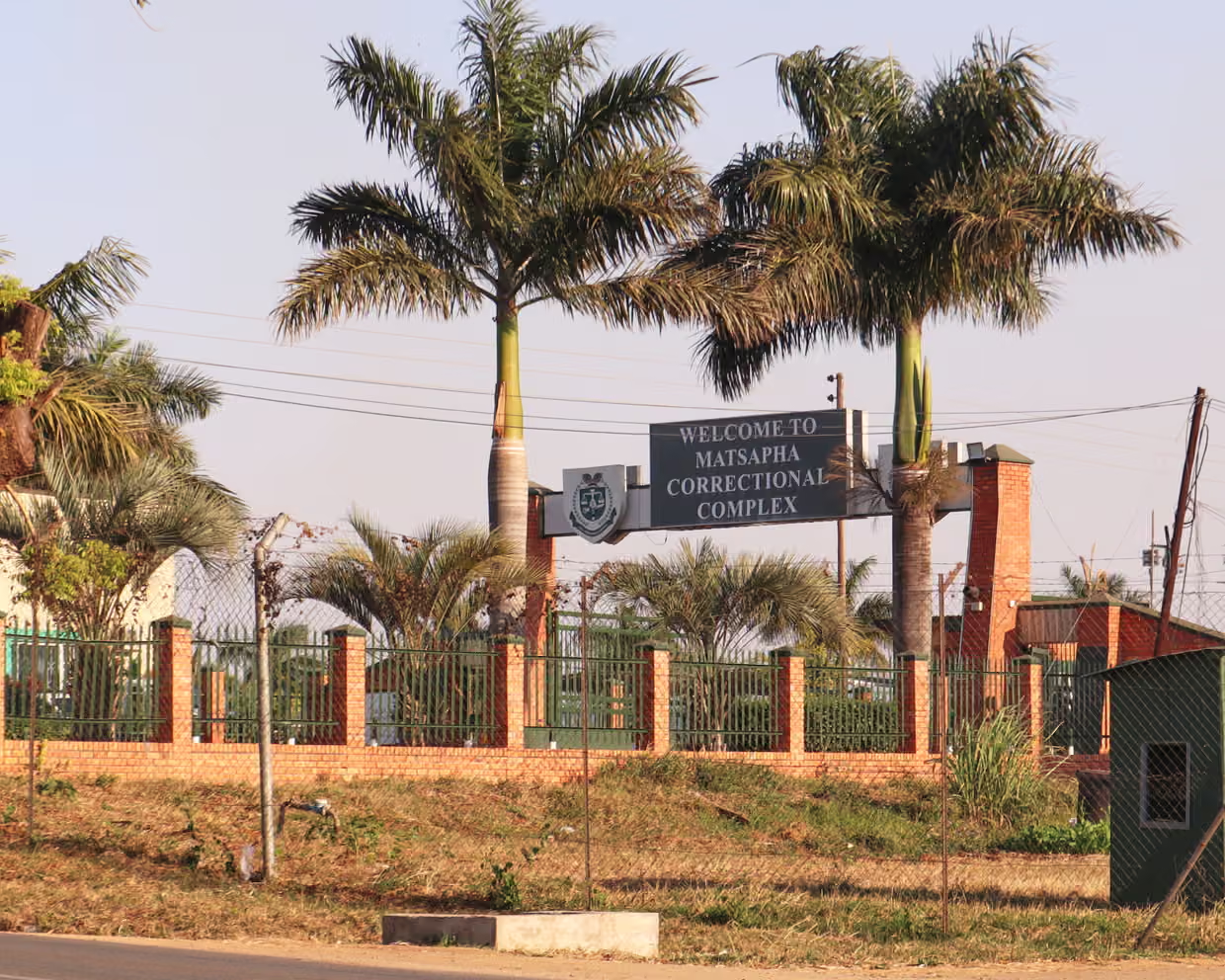
The men, arriving from countries including Vietnam, Jamaica, Laos, Yemen, and Cuba, were categorised by the US government as dangerous criminals. They were flown to Eswatini in July, amid widespread efforts by the Trump administration to deport millions of undocumented migrants and asylum seekers. The arrival of these men at the maximum security Matsapha correctional centre has created an uproar in a nation struggling with its own human rights reputation, particularly under the watchful eye of Africa’s last absolute monarch.
The coalition, which includes the Southern African Litigation Centre (SALC), asserts that the deal between the US and Eswatini not only breaches constitutional law but also overlooked due process. Their concerns are compounded by reports that the prison housing the deported men is operating at an alarming 190% capacity. Activists argue this situation underscores a troubling trend where African nations are used as dumping grounds for individuals the US deems detrimental to its society.
Mzwandile Masuku, a lawyer representing the plaintiffs, commented on the court’s handling of the case, stating, “The judge was of the view that the pleadings or papers in the judge’s file were not complete, meaning the matter is not ripe for argument.” The high court proceedings have been postponed to 25 September, with the potential to be elevated to the constitutional court, reflecting the gravity of the issues at stake.
Eswatini’s attorney general, Sifiso Khumalo, dismissed the legal challenge as “frivolous,” asserting that the plaintiffs lack the necessary legal standing to address such matters. Documentation submitted by Khumalo’s office insisted that the constitutional framework empowers the government to enter international agreements without parliamentary oversight, a point hotly contested by critics like Zakithi Sibandze, national coordinator of the Rural Women’s Assembly Eswatini.
Sibandze stated, “This agreement is unconstitutional because it should have been presented to and approved by our members of parliament. That clearly didn’t happen, and you could see our MPs were completely in the dark based on how they grilled the government about it.” The growing tensions over this deal highlight not only the urgency of addressing constitutional governance in Eswatini but also reflect the broader implications of how countries engage with migration issues.
Melusi Simelane of SALC has called for the disclosure of the terms surrounding the deportation agreement, imploring, “We want the details of this deal … the prime minister and this government are withholding information, information that is very pertinent to our rights as citizens.” As these events unfold, the eyes of the international community remain focused on Eswatini’s handling of these deported individuals.
Adding to the dimension of this saga is the involvement of the International Organization for Migration (IOM), which is reportedly in discussions with the Eswatini government about providing post-arrival assistance to the deportees. However, details surrounding this assistance remain unclear, leaving further questions about the treatment and rights of those now detained in Eswatini’s overburdened prison system.
Additional reporting the guardian.com