


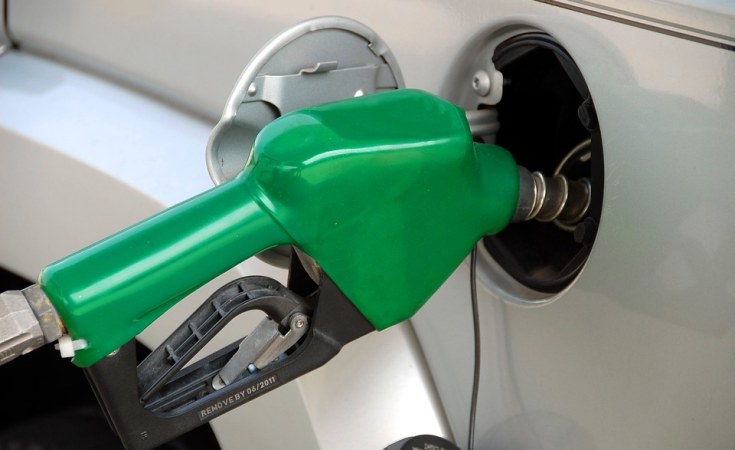
Motorists in South Africa are set to face a stark reality starting at midnight, as the Department of Minerals and Petroleum Resources has confirmed a rise in fuel prices. The increase, which affects petrol, diesel, and paraffin, is attributed largely to fluctuating global oil prices amid geopolitical tensions, particularly the ongoing conflict in the Middle East.
From the stroke of midnight, petrol prices will escalate by between 52 cents and 55 cents per litre, varying according to the grade. Diesel, too, is not spared, with costs increasing by between 82 cents and 84 cents per litre, depending on the diesel grade selected. Paraffin will see a notable rise as well, with an increase of 89 cents per litre.
In contrast to the rising fuel costs, the price of Liquefied Petroleum Gas (LPG) is set to decline by 57 cents per kilogram across the country. However, the Western Cape will experience an exception, with a rise of R1.90 per kilogram. The seemingly contradictory movements in fuel pricing highlight the complexities of the market shaped by both local and international factors.
Speaking on the adjustments, Robert Maake of the Department of Minerals and Petroleum Resources explained that the fluctuations are largely driven by high oil prices. “The conflict in the Middle East between Israel and Iran has contributed significantly to the price adjustments during the period under review,” he stated. However, he noted that a stronger rand against the dollar has softens the blow for motorists, cushioning prices by over 15 cents and 16 cents a litre.
Despite these price increases, the Slate levy, which has been a point of concern in previous adjustments, remains unchanged at zero cents per litre for both petrol and diesel, bringing a slight reprieve for consumers adjusting to the new prices.
As many South Africans prepare to refuel their vehicles, the overarching theme continues to reflect the ongoing volatility in oil markets and its direct impact on local economies. These increases serve as a reminder of the delicate balance between global events and everyday living, particularly for those reliant on fuel for their daily commutes and businesses.