


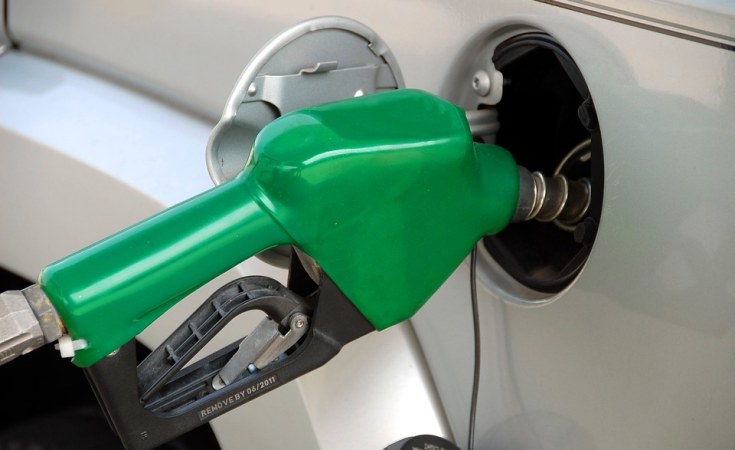
The Department of Mineral and Petroleum Resources has revealed a mixed bag of fuel price adjustments set to take effect at midnight. Motorists can breathe a sigh of relief as both grades of petrol—93 and 95—will decrease by 28 cents per litre. This reduction comes at a time when many consumers are feeling the squeeze from rising living costs.
However, the good news for petrol users is tempered by a stark increase in diesel prices. Depending on the grade, diesel will see a hike of 63 to 65 cents per litre. This increase raises questions about the overall economic impact on transport and goods pricing, as diesel is a crucial component in the supply chain.
Illuminating paraffin, primarily used for heating and cooking in many households, is also set for a price increase, climbing by 43 cents per litre at the retail level. In lighter news for some households, LP gas will witness a decrease, dropping by 69 cents per kilogram across the board, and by an even larger margin of 78 cents per kilogram in the Western Cape—a boon for many residents as winter approaches.
Robert Maake, a representative of the Department, cited various international factors influencing these adjustments. “The slightly lower price of oil during the period under review and the rand strengthened slightly against the US dollar, cushioning the prices by four to five cents per litre,” Maake noted. He affirmed that the slate levy, a levy charged on petrol and diesel, remains unchanged at zero cents per litre, which is a relief for consumers amidst the fluctuating fuel landscape.
As South Africans navigate their budgetary constraints, this juxtaposition of falling petrol prices against rising diesel costs may encourage shifts in transport choices and influence the broader economy. While the decrease in petrol prices is welcome, the diesel hike could signal tough times ahead for many.