


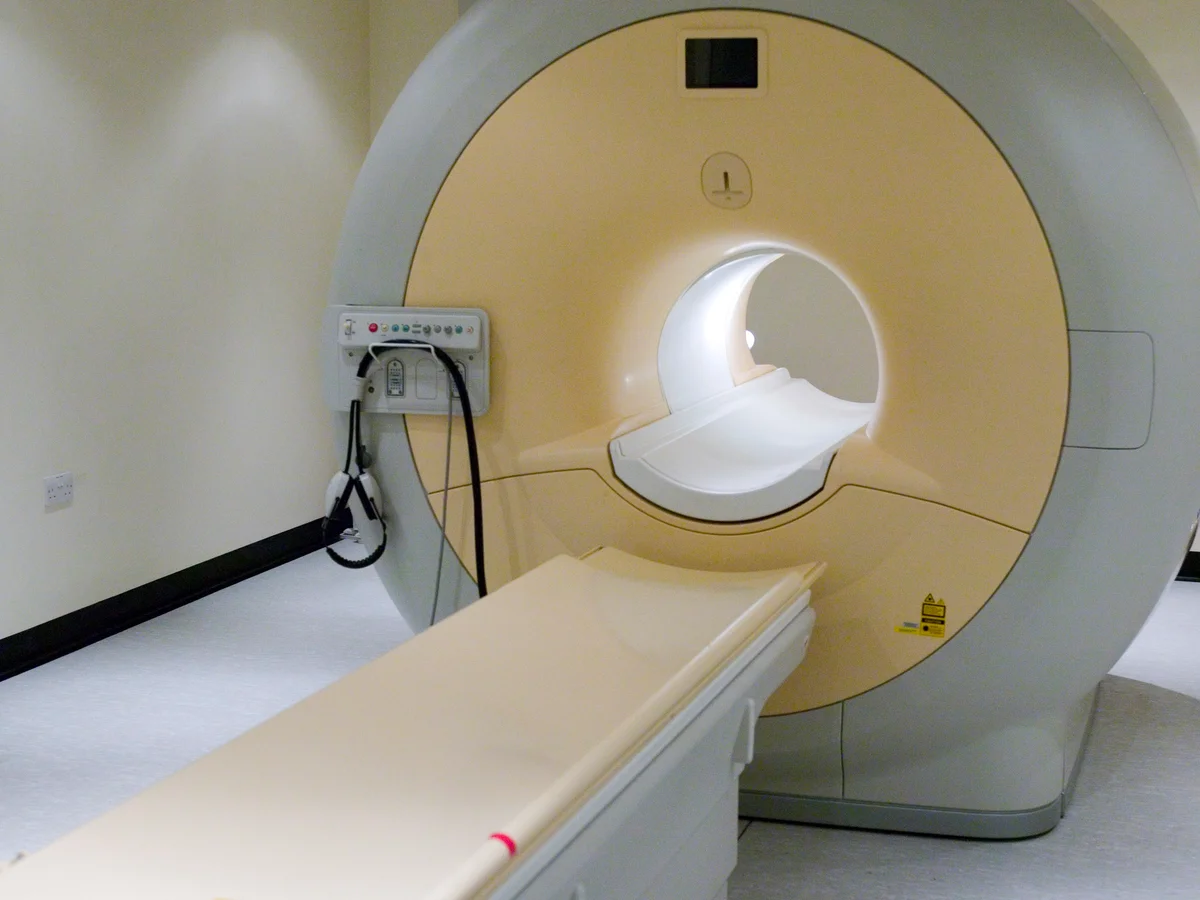
Following a rising demand for Magnetic Resonance Imaging (MRI) scans and pressure on centralised services because of historic equipment constraints and staff shortages, the Gauteng Department of Health said it is actively modernising and strengthening diagnostic imaging services across the province.
The department said the upgrades are done with a particular focus on MRI capacity in public health facilities.
MRI is a non-invasive medical imaging technique that uses strong magnetic fields and radio waves to create detailed images of the body’s internal structures.
It’s used to diagnose various medical conditions, monitor treatment, and assess soft tissue, bone, and blood vessels. Unlike X-rays, MRI doesn’t use ionizing radiation, making it a safe procedure for many patients.
“As part of its turnaround strategy, the department has in recent months installed new MRI machines at key academic hospitals including Steve Biko Academic Hospital, Dr George Mukhari Academic Hospital, and Charlotte Maxeke Johannesburg Academic Hospital.
These machines were commissioned in early 2025, enabling significant improvements in service delivery and reducing reliance on older, often faulty equipment,” said MEC for Health and Wellness Nomantu Nkomo-Ralehoko.
She however acknowledged past delays in service provision due to machine breakdowns, ageing infrastructure, and limited distribution of MRI units.
In addition, Nkomo-Ralehoko emphasized that measures are firmly in place to improve access, minimise downtimes and fast-track waiting lists in terms of patients who need MRI scans.
“We have taken step to ensure that MRI machines are supported by service-level agreements to prevent lengthy downtimes and ensure quick resolution of technical faults.
Several new machines have been commissioned, and staff capacity is being enhanced to manage demand,” explained the MEC.
Furthermore, Nkomo-Ralehoko said all four of the province’s central hospitals, Chris Hani Baragwanath, Dr George Mukhari, Charlotte Maxeke, and Steve Biko have functional MRI machines, while at tertiary level, Helen Joseph Hospital, Kalafong, and Rahima Moosa Mother and Child Hospital all have MRI capabilities.
“Where hospitals do not yet have MRI machines, the department is implementing a referral-based model that ensures patients are transferred to nearby hospitals with capacity, based on urgency and clinical need.
This system is monitored daily to ensure no patient is being missed.
Despite the increasing number of referrals and complex cases, urgent and emergency scans are prioritised across the province. Hospitals like Steve Biko and Dr George Mukhari Academic Hospitals offer same-day MRIs for emergencies, while other hospitals conduct inpatient scans within a week,” remarked Nkomo-Ralehoko.
The department has implemented several measures to address the waiting list challenges, which include extended imaging hours, optimised booking systems, and improved radiology staffing.
In addition, the department is also upgrading digital systems like Picture Archiving and Communication System to “streamline data handling and reporting and is exploring helium-free technology to safeguard against service interruptions caused by cable theft.”

