


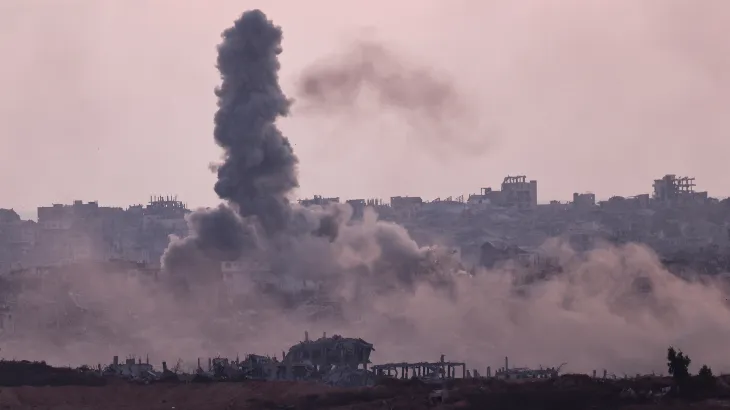
As the air strikes continue unabated over Gaza City, harrowing accounts from residents in the Zeitoun neighbourhood paint a grim picture of despair. According to witnesses speaking to Al Jazeera, “bodies are lying in the streets,” a stark reflection of the ongoing violence that has witnessed at least 54 individuals lose their lives in a single day. This brings the total death toll across the Gaza Strip to a catastrophic 95 in just one day’s violence.
Amidst the relentless bombardments, Gaza authorities report a heart-wrenching statistic: the number of starving aid seekers killed by Israeli forces has surpassed 800, deepening concerns over malnutrition and starvation as food supplies dwindle. The toll of Israel’s war on Gaza has now reached a staggering 58,026 deaths and over 138,000 injuries since the conflict escalated, according to Gaza’s Health Ministry. This tragedy forces many international observers to confront the implications of these actions on humanitarian grounds.
The situation for civilians is dire, with displacement rampant and reports indicating that more than 5,800 children were diagnosed with malnutrition in June alone. UNICEF warns that this figure represents a troubling trend, marking the fourth consecutive month of rising cases amid what has been described as a “campaign of starvation.” A stark 1,139 individuals were reported as killed in Israel due to the violence that erupted on October 7, alongside more than 200 Israeli captives taken during the initial stages of the conflict.
As the humanitarian crisis deepens, Dr Hussam Abu Safia, a prominent paediatrician and director of Kamal Adwan Hospital, remains in critical condition while detained by Israeli authorities. His lawyer highlights the troubling decline in his health since his arrest, during which he has lost significant weight and has been denied medical care. The suffering of Dr Abu Safia mirrors the plight of countless others in detention, with reports indicating deteriorating health conditions under harsh detention norms.
The international community is increasingly focused on the plight of civilians, with the family of an American-Palestinian who died after being assaulted by settlers in the occupied West Bank calling for US intervention. They demand accountability as officials face mounting pressure due to rising deaths and humanitarian needs.
In what seems to be an escalating narrative of violence, multiple towns across the Tulkarem governorate have witnessed overnight raids by Israeli forces, leading to assaults on residents, including an elderly citizen. These operations have become distressingly routine, with reports stating infrastructure is damaged, and lives are upended as the military incursions continue unabated.
Adding to the complexity of the crisis, protests against humanitarian aid entering Gaza have occurred, with activists warning the Israeli government of “collaborating with Hamas.” This has sparked further debate regarding the delicate balance between humanitarian assistance and military engagement, leading to significant unrest among the civilian populace.
The deaths of journalists covering the conflict have provoked international condemnation, with a reported 230 media workers killed since the onset of the Israeli assault. The killing of two Palestinian journalists today emphasises a systematic attempt to silence press coverage and further complicate the already dire humanitarian landscape.