


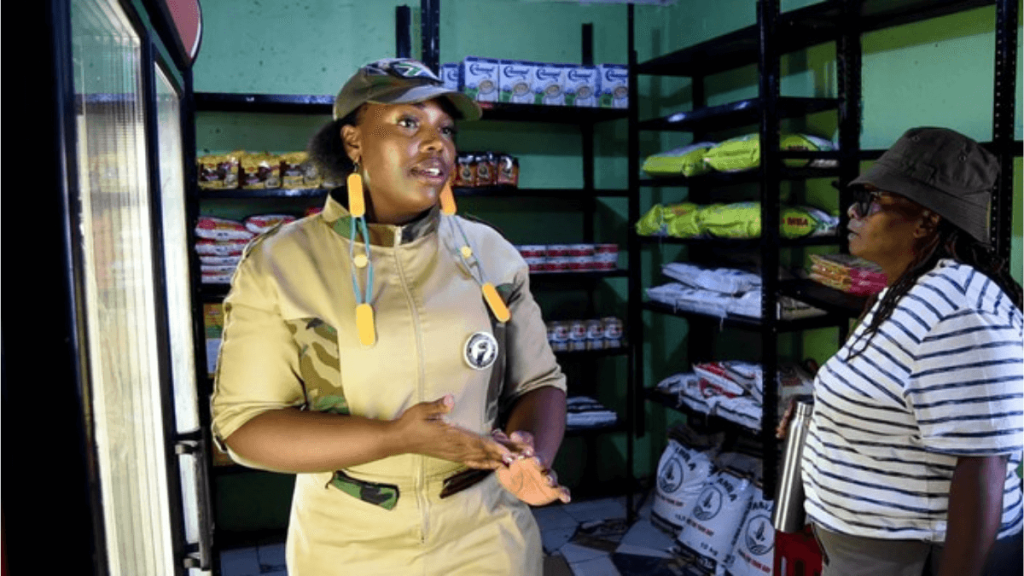
The South African government is undertaking a significant initiative to register thousands of spaza shops as part of a broader effort to curb the alarming rise in deaths caused by contaminated food purchased from these informal food outlets. The move comes at a time of heightened tension, as the anti-immigrant pressure group, Operation Dudula, has vocally rejected government interventions aimed at including foreign nationals in the registration process.
Spaza shops, which play a crucial role in the informal economy, have been predominantly run by foreign nationals. The dominance of these establishments by immigrants has ignited sporadic xenophobic violence, especially as many South Africans face the harsh realities of a spiralling cost of living. On Tuesday, Operation Dudula led a demonstration in Jabulani, Soweto, obstructing the registration of spaza shops and asserting that no foreign nationals should be permitted to run businesses.
“If a crime has been committed, we look to the police to step in. We understand that until today, the police may not have known when and where registration was taking place, but now it’s known. So, we have also spoken to the provincial police commissioner to say there needs to be a level of presence by the police at the various registration points,” remarked Gauteng Finance MEC, Lebogang Maile, following a meeting with municipal leaders aimed at finalising the registration process.
Many landlords present at the registration points on Tuesday indicated they were taking the steps to register spaza shops on behalf of their foreign tenants. One South African landlord, who preferred not to disclose his name, lamented, “I don’t have the resources to run a tuck shop, hence I rent out the place. They (foreigners) have the money for registration, so I want to do it so I can get some rental income.” He clarified that his tenants were in the country on asylum seeker permits, and typically, these permits do not allow holders to engage in business activities.
South Africa’s unique legislative framework complicates the issue further. The country abolished refugee camps post-1994 and has ratified numerous UN conventions on human rights, thus offering unprecedented protections to foreigners. This legal architecture has left many immigrants to navigate the informal economy without state support, leading to competition for resources between locals and foreigners.
Maile stated that the Department of Home Affairs is expected to play a critical role in enforcing the registration process. “While municipalities have been tasked with overseeing registration, they do not have the capacity to enforce immigration laws, and that is where Home Affairs comes in,” he explained.
Operation Dudula’s Deputy National Organiser, Che Serobedi, dismissed claims from landlords regarding their incapacity to manage spaza shops, asserting that substantial governmental and non-governmental support is available. “We are engaging with landlords because there are resources from NGOs that can assist in starting up businesses. The government also announced R500 million, and we want that funding to benefit South Africans,” he stated, vowing to continue the campaign against the registration of foreign-run shops.