


In a significant development that threatens the fragile peace, Hamas announced on Monday that it would delay the release of additional Israeli captives originally scheduled for this Saturday. The abrupt decision comes in response to what Hamas describes as Israeli breaches of the ongoing ceasefire agreement in Gaza, escalating fears that the truce may unravel entirely.
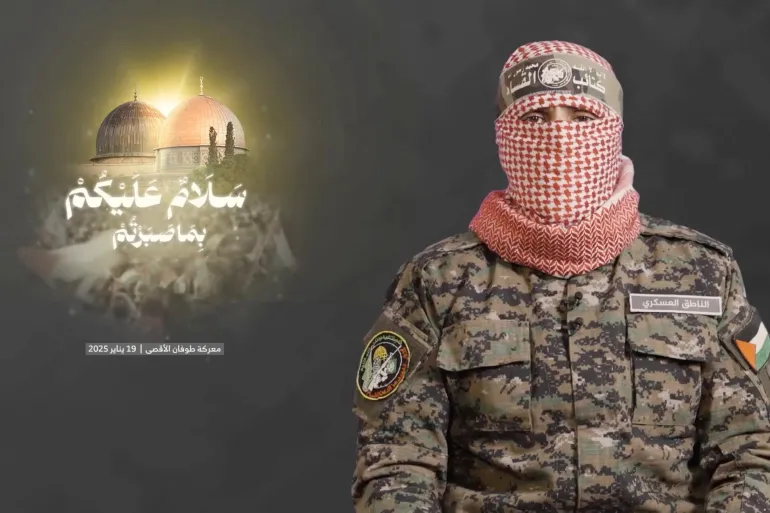
Abu Obeida, spokesperson for the Qassam Brigades—the military wing of Hamas—released a statement asserting that the captives would “remain in place until the occupying entity complies with past obligations and compensates retroactively.” This cryptic warning underlines the complexities surrounding the ceasefire which has so far managed to hold for six weeks, a significant feat given the escalating hostilities preceding it.
Israel has vocally condemned this decision, labelling it a “violation” of the ceasefire deal and has subsequently placed its military on alert. In a contentious backdrop, United States President Donald Trump has weighed in, suggesting that unless all Israeli captives are released by the weekend, the agreement should be torn up, indicating a potentially shifting stance on the matter from Washington.
The ceasefire, brokered over an extensive period, involves a significant prisoner exchange, with Hamas releasing dozens of captives taken during its monumental October 7, 2023 assault on Israel in return for nearly 2,000 Palestinian prisoners. Yet, the deal is now hanging by a thread, with accusations flying between both parties regarding compliance.
Hamas maintains that Israel has contravened multiple aspects of the truce, leading to their current stance on the captives. The developments have prompted a wave of anxiety regarding the future of negotiations and the stability of the ceasefire, as both sides grapple with the implications of a potential return to hostilities.
The international community watches with bated breath as the situation evolves, hoping for a resolution that prioritises peace and the safeguarding of lives on both sides. The stakes are astoundingly high, not just for the captives, but for the broader regional stability amid a climate already fraught with uncertainty.