


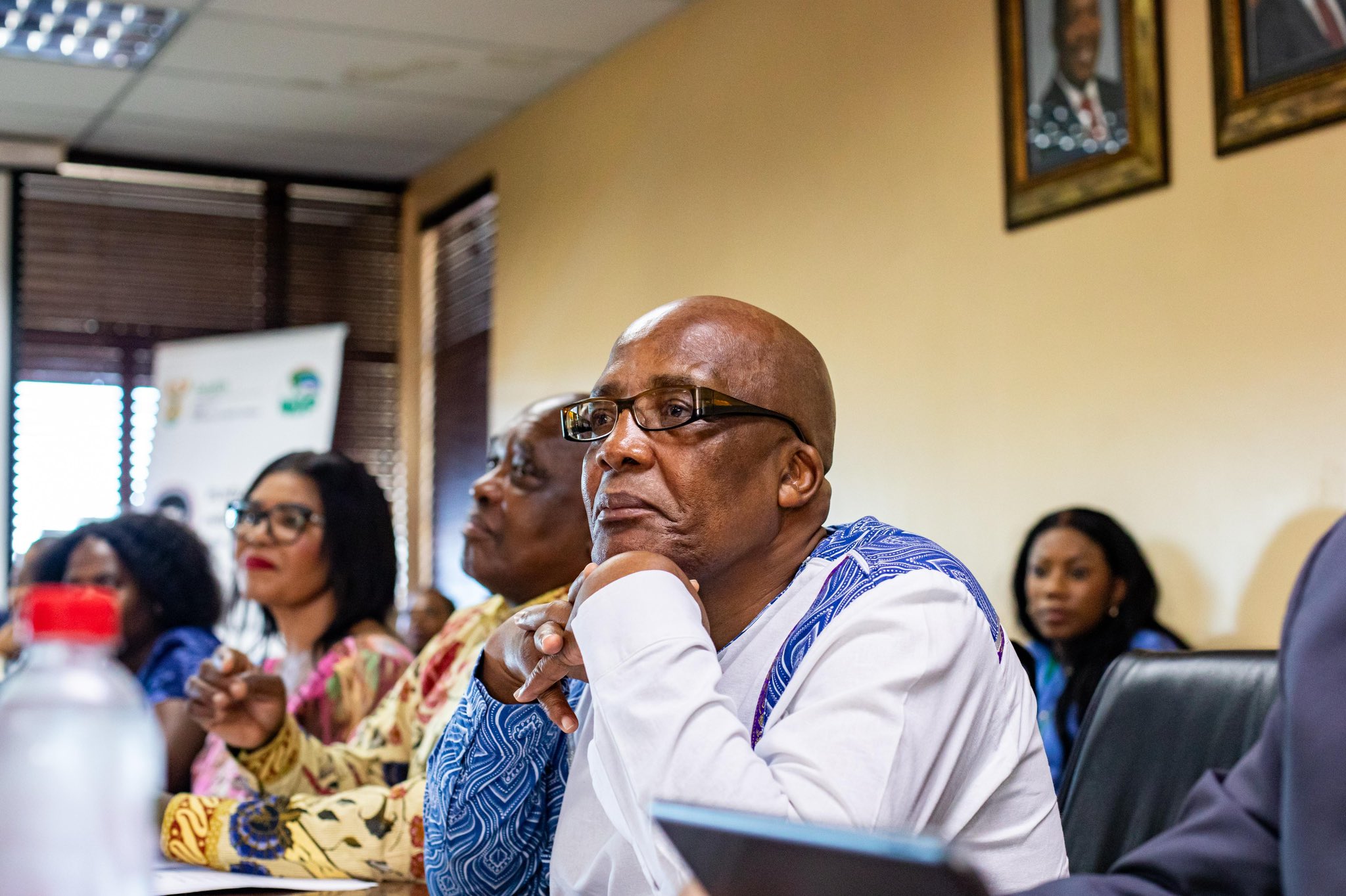
The South African Health Minister, Dr. Aaron Motsoaledi, has unveiled a new campaign dubbed ‘Close the Gap’, aimed at addressing a critical issue in the fight against HIV: male engagement in healthcare. At a launch event held simultaneously at two prominent Soweto health facilities—Chris Hani Baragwanath Academic Hospital and Lillian Ngoyi Community Health Centre—Minister Motsoaledi called for increased efforts to enroll 1.1 million individuals in HIV treatment by December 2025. The campaign specifically targets those individuals who have fallen out of treatment, with a keen focus on men, who historically have been underrepresented in healthcare settings.
Statistics reveal that the transmission of HIV predominantly affects men but they are often missing from clinics and treatment programmes. “We know the [HIV] transmission mostly goes through men. Unfortunately, men are the people who are never found in clinics,” Dr. Motsoaledi stated during his address. This alarming recognition has spurred the Department of Health to rethink strategies and direct resources toward encouraging men’s participation in their health.
The initiative is part of a broader effort to tackle the stigma surrounding HIV/AIDS and to ensure that no one is left behind, particularly those who may be reluctant to seek help due to societal pressures or misconceptions about the virus. The ‘Close the Gap’ campaign will employ various outreach methods, including community engagements, mobile clinics, and partnerships with local organisations to reach those who have disengaged from their treatment.
With South Africa bearing a significant burden of HIV infections—home to the largest population of people living with the virus—maximising treatment uptake is of paramount importance. The campaign’s goal to reach 1.1 million individuals highlights the urgency of the situation and the commitment of the government to turn the tide against HIV.
As the campaign rolls out, community health workers will play a pivotal role in not only tracing those who have been lost to follow-up but also in dismantling barriers to treatment that men face. Educational workshops, peer support networks, and consistent follow-ups are anticipated to empower more men to seek the health services they need.