


India and Pakistan have reached a ceasefire agreement mediated by the United States, effectively halting days of fierce clashes between the two nuclear powers. The announcement of the truce, which took immediate effect, came after a weekend of intensive diplomacy led by US Secretary of State Marco Rubio and Vice President JD Vance. President Donald Trump took to his social media platform, Truth Social, on Saturday afternoon to announce the breakthrough, stating, “Congratulations to both Countries on using Common Sense and Great Intelligence. Thank you for your attention to this matter!”
The urgent need for peace came as military actions escalated between the neighbours, primarily centred around the long-disputed region of Kashmir. In the early hours of Saturday, Pakistan launched high-speed missiles at multiple sites across India, accusing New Delhi of airstrikes on three military bases within its territory. India responded with airstrikes targeting Pakistani military installations, leading to a surge in civilian casualties—reports indicate dozens have already lost their lives due to the escalating conflict.
As the dust of warfare lingered in the air, Pakistan’s Foreign Minister Ishaq Dar expressed his country’s commitment to peace, asserting that Islamabad would not compromise its sovereignty while seeking stability in the region. Speaking to the media outlet Geo News, he acknowledged the roles played by Saudi Arabia and Turkey in facilitating the agreement, underscoring the international dimensions of this volatile conflict.
On the flip side, Indian Foreign Secretary Vikram Misri reported that military leaders from both nations had reached out to one another on Saturday afternoon, agreeing to cease all hostilities. “Instructions have been given on both sides to give effect to this understanding,” he disclosed, revealing that further discussions between the countries’ officials were planned for Monday.
Amidst the series of clashes that led to this dire situation, Indian and Pakistani forces engaged in extensive missile strikes, with Pakistan’s military claiming over 25 targets hit across various Indian states, including Gujarat, Punjab, and Rajasthan. Indian military officials confirmed their own retaliatory strikes, which they touted as “measured” responses aimed solely at military targets.
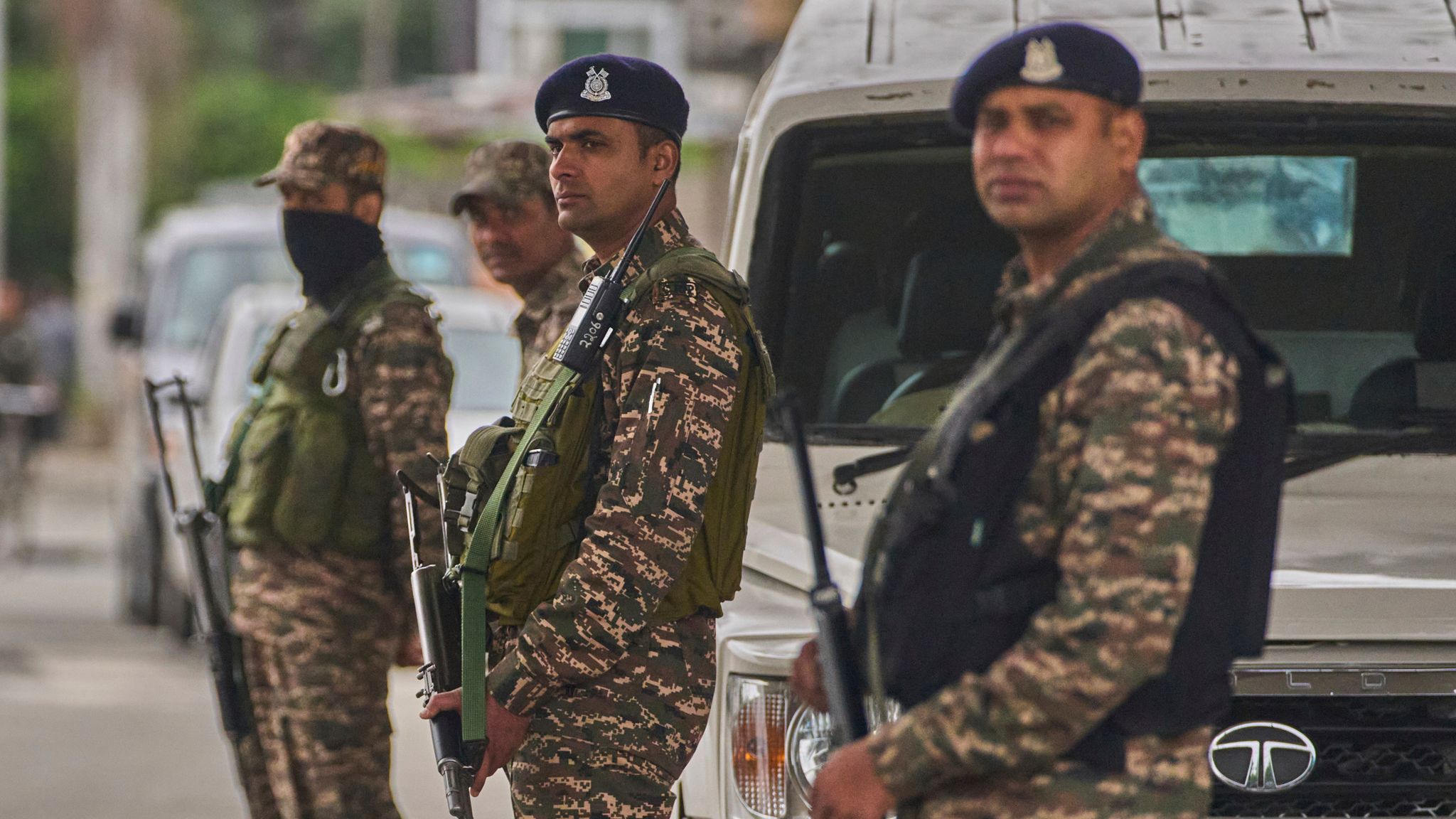
In India-administered Kashmir, the impact of the turmoil was acutely felt, as loud explosions were reported from major cities like Srinagar and Jammu. Casualty figures continue to rise, with international news agency AP noting the deaths of at least five people in Jammu alone, while the Disaster Management Authority in Pakistan-administered Kashmir reported that 13 civilians had perished, with over 50 others injured.
The evening’s developments have reignited fears of a broader military conflict in an already tense region, with implications that extend beyond the subcontinent. Analysts are closely monitoring the situation, which remains precariously poised between hope for lasting peace and the spectre of renewed hostilities.