




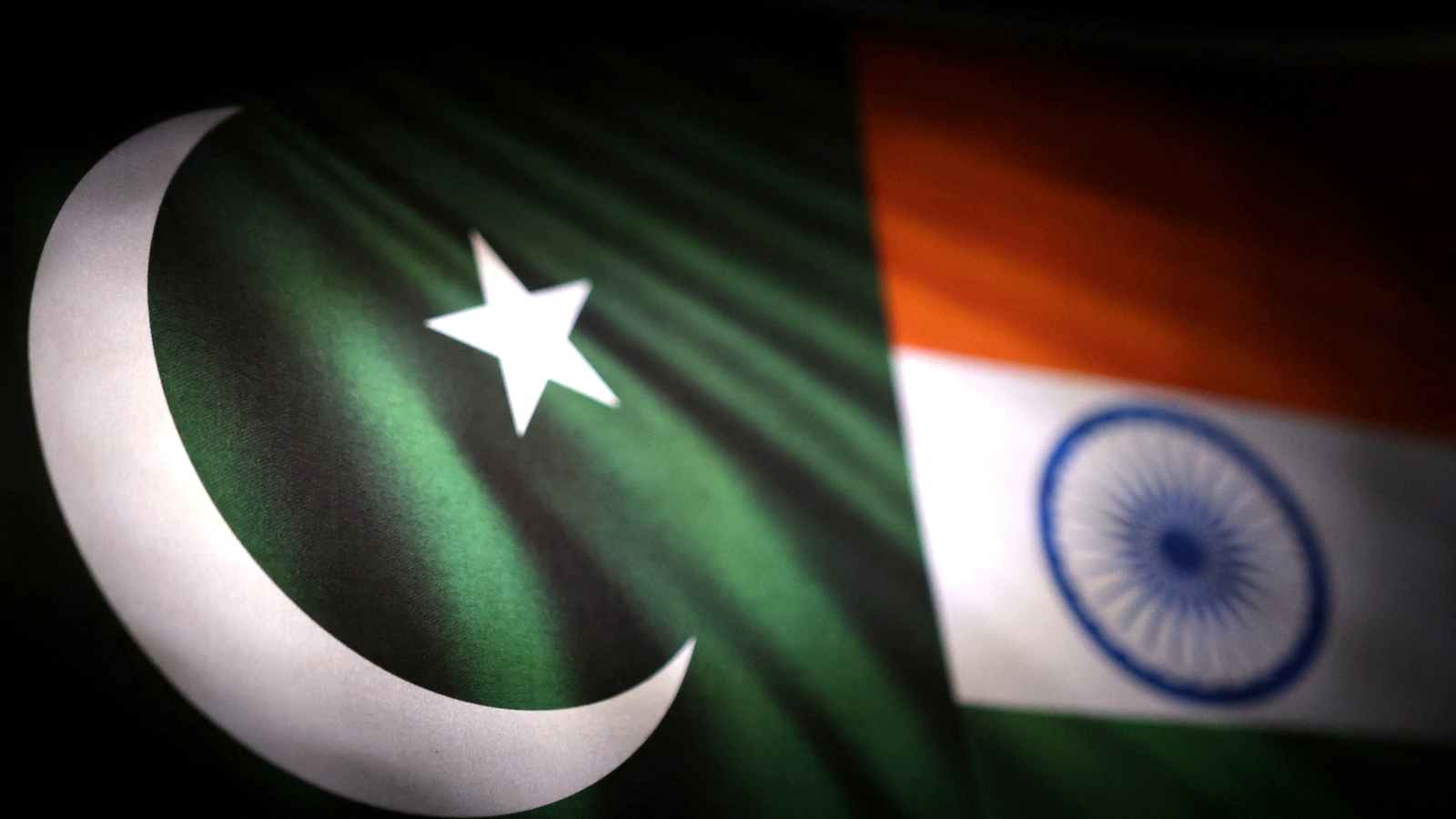
In a significant escalation of hostilities between India and Pakistan, the Indian government has confirmed that it has launched air strikes targeting nine sites in Pakistan and Pakistan-administered Kashmir, following a militant attack in Kashmir that claimed the lives of 26 tourists. This military operation signals a worrying deterioration in relations between the two nuclear-armed nations.
The Indian Ministry of Defence announced the air strikes as part of ‘Operation Sindoor,’ which aims to dismantle what India describes as “terrorist infrastructure” within its neighbouring adversary’s territory. Following the strikes, it was reported by Pakistan’s military that three locations were affected, resulting in the deaths of three individuals, including a child. These attacks have heightened concerns of an impending war as both nations continue to exchange heated rhetoric.
Accountability for the operation was outlined by India’s armed forces, stating that their strikes were “focused, measured, and non-escalatory in nature.” In an effort to reassess the military balance, the Indian military underscored that no Pakistani military facilities were targeted during the operation. Instead, a mosque in Bahawalpur, along with the cities of Kotli and Muzaffarabad in Pakistan-administered Kashmir, were among the reported strike locations.
Social media platforms were flooded with footage purportedly showing missiles illuminating the night sky, accompanied by crowds chanting “Allahu Akbar” in response to the strikes. The visual evidence adds an unsettling dimension to the already volatile situation, highlighting the emotional fervour that tends to accompany such military actions.
In a robust response, Pakistan’s military condemned the air strikes, labelling them a “cowardly and shameful” act of aggression that intruded into its airspace. Spokespersons from Islamabad vowed to retaliate, stating emphatically, “Pakistan will respond to this at a time and place of its own choosing. This heinous provocation will not go unanswered.” The firm rhetoric signals the potential for further escalation, raising alarms on the global stage regarding the prospect of expanded conflict.
The countries have a long history of fraught relations, punctuated by violent clashes and exchanges, but the recent uptick in military action following a deadly attack on civilians raises the spectre of a more profound crisis. Analysts are now closely monitoring the developments as both nations stand poised at a precipice where diplomatic solutions may be harder to achieve amidst rising tensions.