




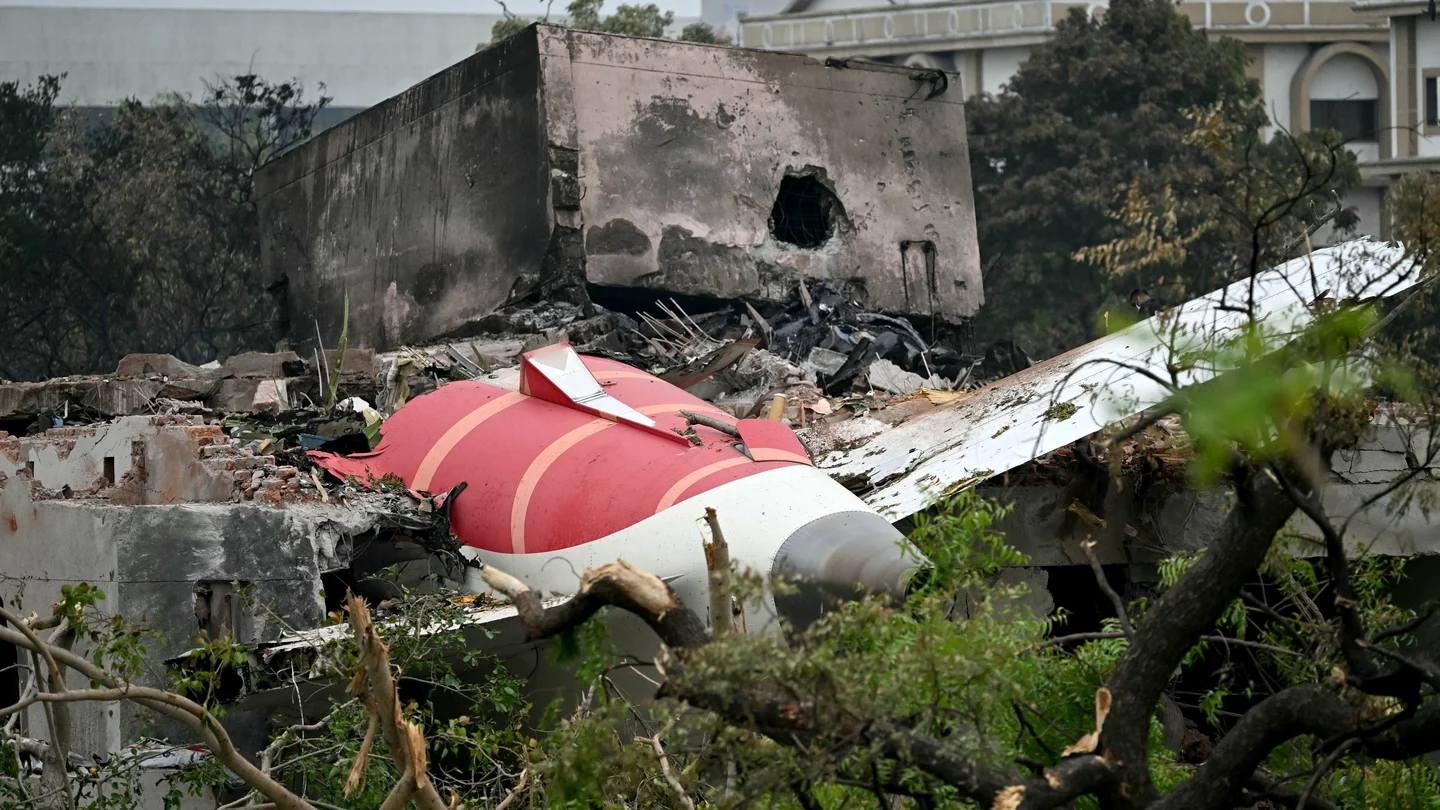
An investigation into the recent crash of an Air India Boeing 787 Dreamliner at Ahmedabad Airport suggests that the tragedy may not have been caused by the widely speculated failure to extend the aircraft’s wing flaps. Rather, it appears that a critical pilot decision to raise the nose of the low-flying aircraft was a determining factor in the incident, forcing the aircraft into a perilous climb at an insufficient altitude.
Eyewitness footage reveals the chilling moment the aircraft “pancaked” and dropped nearly vertically to the ground. According to aviation experts, the action of elevating the nose may have disrupted the laminar airflow over the wings, causing the plane to lose any remaining lift. Such a manoeuvre, akin to a ‘flare’ executed during landing, is inherently dangerous when performed inappropriately, particularly at such low altitudes.
The 787 Dreamliner, renowned for its advanced aerodynamics, relies heavily on its wing design to maintain stable flight during takeoff and landing. At high speeds, the wings are optimally engineered for cruising; however, the aircraft’s wing extensions known as flaps are crucial at lower velocities. These flaps must be deployed to increase aerodynamic lift during takeoff – a factor critical for laden aircraft, which must account for passengers, luggage, and fuel.
The world’s aviation community is no stranger to grave incidents attributed to improper flap deployment. A similar catastrophe occurred with a Spanair jet in 2008, which resulted in the loss of 154 lives when pilots failed to extend the flaps, compounded by a malfunctioning warning system.
Another theory surrounding the Air India crash includes the possibility of a bird strike affecting both engines, possibly leading to a failure. Reports from witnesses indicated hearing a loud bang shortly before the aircraft met its tragic end. However, aviation experts caution that eyewitness testimonies can often be unreliable and must be substantiated by factual evidence.
As the investigation unfolds, the cockpit voice recorder aboard the Air India flight will play a pivotal role. It will provide crucial insights into the adherence to the take-off checklist, which includes the vital steps for flaps deployment. Furthermore, investigators will seek to ascertain whether a cockpit alert was activated, signalling to the pilots that flaps had not been correctly engaged. The flight data recorder will further confirm the pilots’ actions and the aircraft’s mechanical performance leading up to the crash.
As the families of those affected await answers, the investigation continues to unfold.