


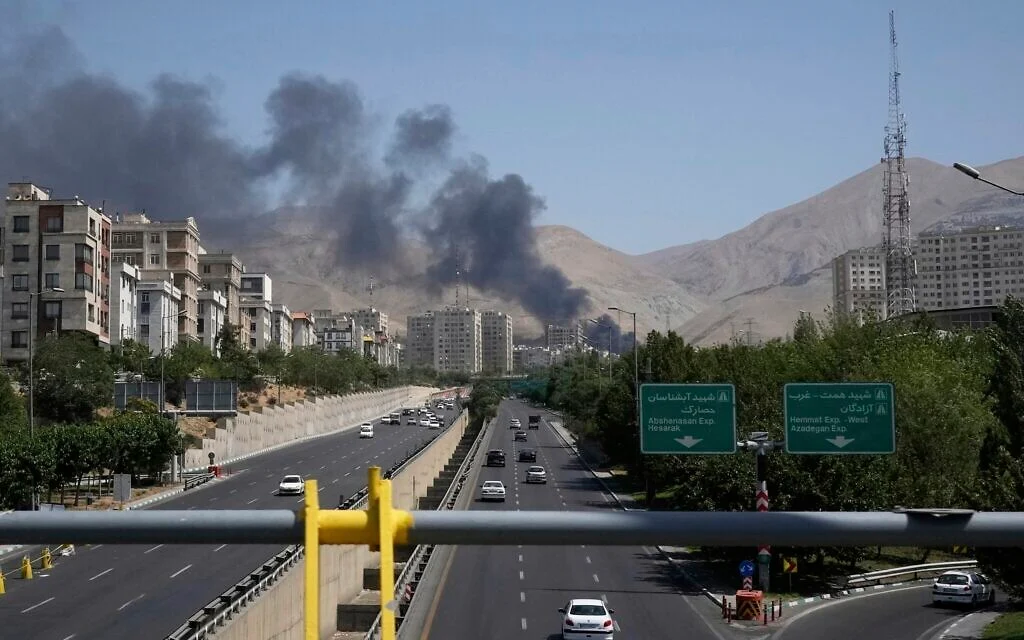
The conflict between Israel and Iran intensified over the weekend, entering its fourth day, as Israeli military authorities declared they have “full aerial operational control” over Tehran. This dramatic escalation follows a surprise assault by Israel targeting Iranian military and nuclear sites, leading to catastrophic fatalities in both nations.As night fell, explosions rocked major cities in Israel, including Haifa and Tel Aviv, resulting in at least eight fatalities according to Israeli officials.
Tensions are mounting further as a devastating cycle of retaliatory missile strikes unfolded, with Iranian sources reporting over 200 deaths in response to Israel’s ongoing attacks.In a chilling revelation, the US embassy in Tel Aviv suffered damage from an Iranian missile that struck a residential area of the city. The attack underscores the vulnerability of civilian structures amid the escalating military actions, which have prompted international scrutiny and concern over the humanitarian implications.The recent spate of violence was ignited by an Israeli attack on Tehran’s critical infrastructure and nuclear facilities on Friday. Initial estimates from both countries depict a gruesome tally, with Iranian authorities confirming over 200 casualties, while Israeli figures indicate at least 21 lives lost within its borders.Amidst these developments, Israeli Defence Minister Israel Katz faced backlash for initial threats indicating that “the residents of Tehran will pay the price” for Iranian strikes on Israel.
In a subsequent clarification, Katz insisted there was no intention to physically harm civilians, separating the “murderous dictator” in Tehran from the Israeli military strategies aimed specifically at regime targets.Although the focus shifts rapidly between the two nations, violence persists in Gaza where Israeli military actions have left at least 40 people dead, particularly in areas designated for humanitarian aid distribution. Eyewitness accounts describe horrific scenes, with aid seekers expressing despair as they encountered open fire while attempting to secure food and supplies for their families.
As the conflict grows, allegations surface on both sides concerning espionage. Iranian state media recently reported the arrests of dozens of individuals accused of colluding with Israel, and executions of those tied to Israeli intelligence are drawing stark condemnation from human rights advocates.Meanwhile, diplomatic efforts to de-escalate tensions are underway, with Turkish President Tayyip Erdogan expressing Turkey’s readiness to mediate between Israel and Iran. Similar initiatives from China and Russia highlight a collective desire to restore stability and prevent the violence from expanding into a broader regional conflict.Russia also has reiterated its willingness to offer mediation, with the Kremlin reflecting on previous proposals to store Iranian uranium outside of Iran as a potential path to peace.
Despite the swirling chaos, there remains a glimmer of hope that dialogue may pave the way towards resolution.The international community watches closely as escalating hostilities challenge the tenuous balance of power in the Middle East, with global leaders calling for restraint to prevent civilian casualties and further destruction.