


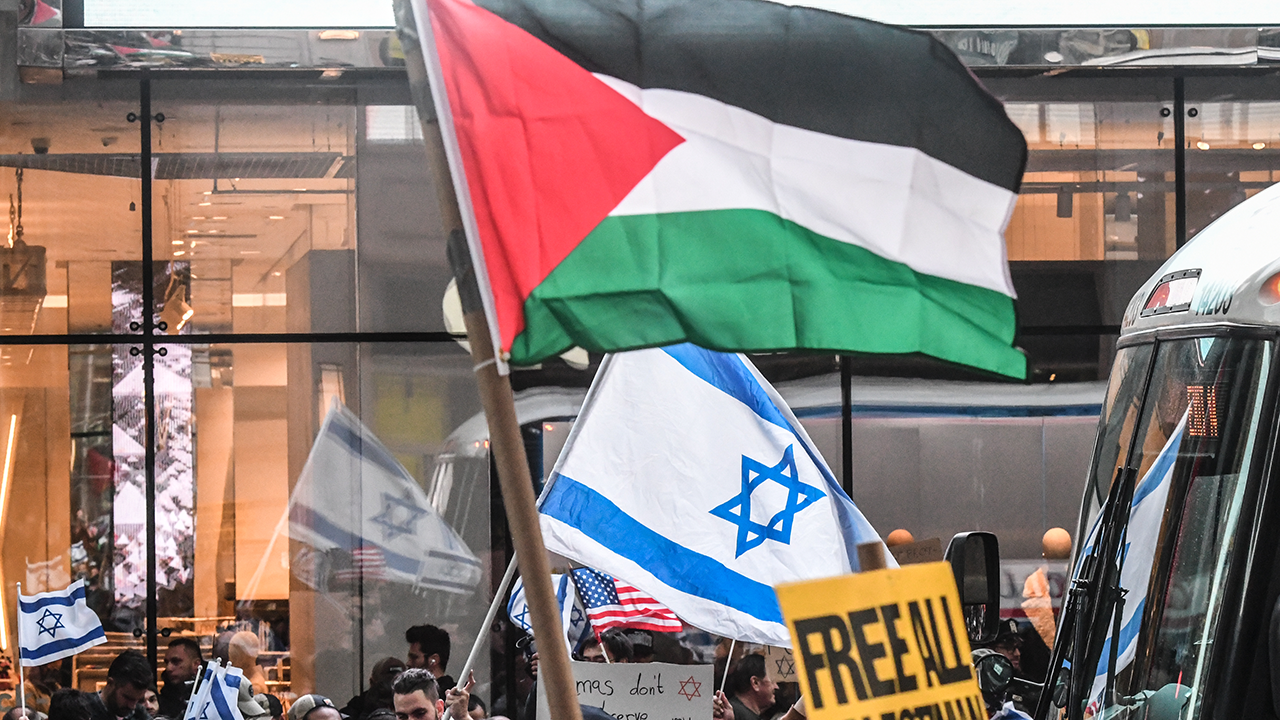
In a crucial development within one of the world’s longest-running conflicts, Israel’s government has confirmed the signing of a final draft agreement for phase one of a ceasefire deal with Hamas, aiming to bring an end to the warfare that has ravaged Gaza for the past two years. The announcement was made by Israeli government spokesperson Shosh Bedrosian on Thursday, following three days of intense negotiations in Sharm el-Sheikh, Egypt.
The death toll in Gaza has reached a staggering 67,000 Palestinians, raising alarm over what some scholars and a UN inquiry have classified as genocide. The ceasefire agreement, a part of US President Donald Trump’s proposed 20-point plan to end the conflict, includes the release of 20 Israeli captives thought to be alive in exchange for Palestinian prisoners. Israel has promised to withdraw its troops to an ‘agreed-upon line’ shortly after the deal is ratified by the cabinet.
“The agreement represents the first phase of a potentially longer peace process,” Bedrosian stated, adding that the ceasefire would officially take effect within 24 hours of the cabinet’s approval. Following this, a critical 72-hour window will commence for securing the release of the Israeli captives. However, tensions may surface as Israel has announced it will not facilitate the release of Palestinian leader Marwan Barghouti, a decision that has already ignited outrage within Palestinian circles.
Reflecting on the complexities entailed in the negotiations, Al Jazeera’s senior political analyst Marwan Bishara noted ongoing “serious disagreements” between the two parties. These issues encompass the specifics of troop withdrawal from Gaza, the configuration of governance in the region post-conflict, and the future of Hamas itself. Plans for a second phase are still pending and are expected to address a complete Israeli withdrawal, disarmament of Hamas, and new security and governance structures.
Reactions to the ceasefire agreement have been largely positive globally, with UN Secretary-General Antonio Guterres acknowledging the opportunity for humanitarian relief. Families in Gaza heaved a collective sigh of relief, some even celebrating in the streets upon hearing the news of the ceasefire. “People are desperately waiting to be reunited with loved ones,” reported Al Jazeera’s correspondent Tareq Abu Azzoum, highlighting the emotional toll the conflict has taken on families torn apart by violence.
Despite the optimism, analysts caution against expecting a swift resolution or a guaranteed peace. Omar Baddar, a Middle East political analyst, reminded observers that “this is only an agreement on phase one” and raised concerns over the potential resumption of violence, questioning whether Israel will truly allow for Gaza’s reconstruction. The road ahead remains fraught with uncertainty, exacerbated by the lingering question of Gaza’s future governance and security.